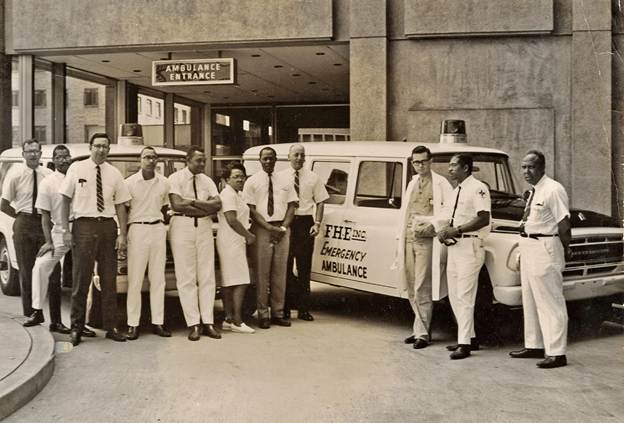
• The Forgotten Pioneers: How Freedom House Created Modern Emergency Care—Then Vanished

    In 1967, Pittsburgh’s Hill District was a community abandoned by the systems meant to protect it. When residents suffered heart attacks, accidents, or medical emergencies, they often waited in vain for help that never arrived with adequate care. The predominantly Black and impoverished neighborhood had been systematically ignored by city services, including emergency medical transport. But from this injustice emerged a revolution that would transform emergency medicine across America—only to be deliberately erased from history.

    Freedom House Ambulance Service began as a bold experiment in community empowerment and medical innovation. Founded by the Maurice Falk Fund president Phil Hallen and Dr. Peter Safar—whose own daughter had died after an asthma attack during inadequate emergency transport—the service recruited twenty-five Black men from the Hill District. Most were unemployed, some were Vietnam veterans struggling with addiction, and many had been labeled “unemployable” by city welfare offices. They were the kind of men society had written off.

    What happened next was extraordinary. Under Dr. Safar’s guidance, these recruits underwent an intensive 32-week, 300-hour training program covering anatomy, physiology, CPR, advanced first aid, nursing, and defensive driving. This wasn’t basic first aid—it was medical training at a level that simply didn’t exist anywhere in the United States at that time. When Freedom House officially began operations in 1968, these men became America’s first true paramedics.

    The impact was immediate and profound. In their first year alone, Freedom House responded to nearly 6,000 calls, transported more than 4,600 patients, and saved an estimated 200 lives. Their response time was under ten minutes in most neighborhoods, a stark contrast to the slow or non-existent service residents had endured before. The paramedics became the first to perform intubation in the field, to use defibrillators outside hospitals, and to transmit medical data via radio while transporting patients. They transformed ambulances from mere transport vehicles into mobile treatment centers.

    Dr. Nancy Caroline joined as medical director in 1974, further expanding the training curriculum and writing what would become the first paramedic textbook, still used as the basis for emergency medical training today. The National Highway Traffic Safety Administration adopted Freedom House’s ambulance model as the official standard for the United States in 1975. The service had become a national model, proof that with proper training and support, communities could transform their own futures.
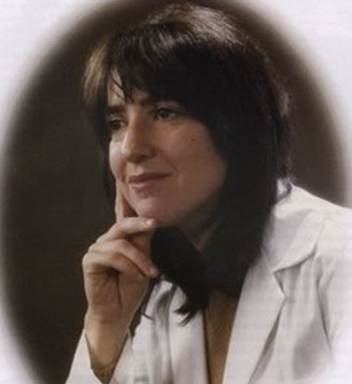
    Dr. Nancy Caroline, Medical Director, Freedom House Ambulance Service

    Dr, Nancy Caroline, Medical Director, Freedom House Ambulance Service

    But success couldn’t shield Freedom House from the racism embedded in Pittsburgh’s power structure. As white neighborhoods learned that the Hill District was receiving superior emergency care, resentment grew. Rather than expanding Freedom House’s services citywide, Mayor Peter Flaherty made a different choice. In 1975, he announced the creation of a city-run ambulance service and cut Freedom House’s funding, forcing it to cease operations after just eight years.

    What followed was a systematic erasure. Though city officials promised to hire the Freedom House paramedics, the reality was crueler. Many were forced to take pass/fail exams covering material they’d never been taught. Of the 26 Freedom House employees who joined the city service, only half remained after a year. Most were reassigned to non-medical duties or placed under white supervisors with less experience. Ultimately, only five stayed long-term, and just one reached a leadership position. By the late 1990s, 98 percent of Pittsburgh’s Bureau of Emergency Medical Services was white.

    The history books largely forgot them. Textbooks taught the methods they pioneered without mentioning their names. Paramedics across the nation used the curriculum they developed, unaware of its origins in a predominantly Black neighborhood fighting for dignity and survival.

    Freedom House Ambulance Service represents both the heights of innovation and the depths of institutional racism. These paramedics saved lives, revolutionized emergency medicine, and proved what marginalized communities could achieve when given resources and respect. In return, they were fired, replaced, and deliberately written out of the history they created.

    Their story is a reminder that progress in America has often been built on Black innovation, and that those contributions have too often been appropriated, credited to others, or simply forgotten. Recognizing Freedom House today isn’t just about honoring the past. It’s about acknowledging whose knowledge we’ve stolen, whose labor we’ve exploited, and whose stories we’re still failing to tell.
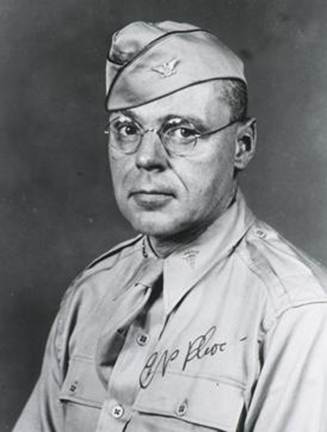
  • The Troubling Legacy of Dr. Cornelius Rhoads: How Racism Was Rewarded in American Medicine

    Dr. Cornelius Packard Rhoads remains one of the most controversial figures in American medical history—a man whose groundbreaking contributions to cancer research are forever tainted by expressions of virulent racism that, rather than ending his career, were systematically minimized and forgotten as he ascended to the pinnacle of medical prestige.

    Born in 1898 in Massachusetts, Rhoads pursued medicine with apparent dedication, earning his medical degree from Harvard in 1924. His early career showed promise, and by 1931, he had secured a position with the Rockefeller Institute conducting research in Puerto Rico, studying anemia and tropical diseases. It was during this posting that Rhoads would pen words that should have ended his professional life.

    In 1931, Rhoads wrote a letter containing shocking racist statements about Puerto Ricans, expressing a desire to harm his patients and claiming to have already done so. The “harm”  included injecting innocent patients with cancer cells, just because they were Puerto Ricans and he did not like them.  The letter included statements describing Puerto Ricans as the “dirtiest, laziest, most degenerate and thievish race of men ever inhabiting this sphere” and discussed killing patients. When this letter surfaced publicly, it ignited outrage within Puerto Rico and among civil rights advocates who demanded accountability.

    What followed was not justice, but whitewashing. An investigation was conducted, but rather than facing serious consequences, Rhoads received what amounted to professional absolution. The investigation concluded that his statements were merely an expression of frustration and that no patients had actually been harmed. The incident was quietly buried, dismissed as an unfortunate lapse in judgment rather than evidence of dangerous racial animus from a physician with power over vulnerable patients.

    The aftermath is perhaps even more disturbing than the original offense. Instead of derailing his career, the scandal barely slowed Rhoads down. During World War II, he became involved in chemical warfare research, investigating the medical applications of mustard gas—work that would prove foundational to chemotherapy development. After the war, his career trajectory continued upward at an astonishing pace.

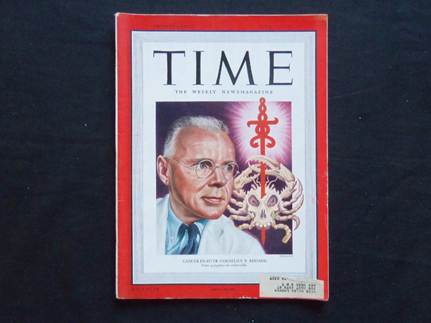
    In 1948, Rhoads was appointed director of Memorial Hospital (later Memorial Sloan Kettering Cancer Center) in New York, one of the world’s premier cancer treatment and research institutions. Under his leadership, the hospital expanded significantly, and Rhoads became a central figure in cancer research. His work on chemotherapy earned him widespread recognition within the medical establishment. In 1949, he appeared on the cover of Time Magazine—the ultimate symbol of mainstream American success and respectability.

    Dr. Cornelius Rhoads, on the cover of Time Magazine.

    The message was clear: racism, even when directed at patients, even when expressed by a doctor toward those in his care, would not prevent a white physician from reaching the highest echelons of American medicine. Rhoads’s ascent sent a chilling message about whose humanity mattered and whose suffering could be overlooked in the pursuit of scientific advancement.

    Today, Rhoads’s legacy remains deeply complicated. His contributions to chemotherapy research genuinely advanced cancer treatment and saved lives. Yet these achievements cannot be separated from the context of how he viewed certain patients or the institutional racism that protected him. The medical establishment that elevated him despite his documented racism must also answer for its complicity.

    In recent decades, historians and medical ethicists have begun reexamining Rhoads’s legacy more critically. Some institutions have removed his name from awards and buildings, acknowledging that honoring someone with such a documented history of racism sends an unacceptable message about values and priorities in medicine.

    The story of Cornelius Rhoads serves as a stark reminder that scientific progress and moral failure can coexist in the same person, and that a society’s willingness to overlook the latter for the sake of the former reveals everything about whose lives it truly values. His career stands as a testament to how thoroughly racism was embedded in American medicine—and how far we still have to go in reckoning with that history.

  • When Your Body Becomes a Brewery: Understanding Auto-Brewery Syndrome

    Imagine waking up feeling drunk without touching a drop of alcohol. For people with auto-brewery syndrome (ABS), also known as gut fermentation syndrome, this bizarre scenario is their reality. This rare medical condition turns the digestive system into a literal alcohol factory, producing enough ethanol to cause intoxication from eating ordinary carbohydrates.

    Auto-Brewery Syndrome

    How Does Your Gut Start Making Beer?

    Auto-brewery syndrome occurs when certain yeasts or bacteria in the gastrointestinal tract ferment sugars and starches into ethanol—the same process brewers use to make beer and wine, except it’s happening inside your body. The most common culprit is Candida yeast, particularly Candida albicans and Candida glabrata, though certain bacteria can also trigger the condition.

    When someone with ABS eats carbohydrate-rich foods like bread, pasta, or even fruit, these microorganisms go to work fermenting those sugars. The resulting alcohol is absorbed into the bloodstream, leading to elevated blood alcohol levels that can cause drunkenness, hangovers, and all the cognitive impairment that comes with drinking—except the person never actually drank anything alcoholic.

    The Strange Symptoms

    People with auto-brewery syndrome experience the full spectrum of intoxication symptoms. They might slur their words, lose coordination, feel dizzy or confused, and exhibit behavioral changes. They wake up with hangovers featuring headaches and nausea. Blood alcohol tests confirm what seems impossible: they’re legally drunk from eating a sandwich.

    The condition can be devastating for those who suffer from it. Imagine being accused of secret drinking by family members, losing your driver’s license due to DUI charges when you haven’t had a drink, or being unable to hold down a job because you appear intoxicated at random times. The psychological toll is significant, especially before diagnosis when sufferers themselves can’t understand what’s happening.

    What Triggers This Unusual Condition?

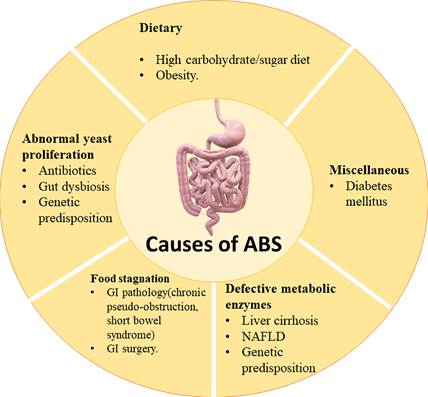
    Auto-brewery syndrome typically doesn’t develop out of nowhere. Several factors can set the stage for gut fermentation, with antibiotic use being a major trigger. Antibiotics can wipe out beneficial gut bacteria, allowing opportunistic yeast to overgrow unchecked. Other risk factors include diabetes, Crohn’s disease, liver problems, and conditions that compromise the immune system.

    In some documented cases, people developed ABS after receiving antibiotics for unrelated infections. One woman’s case became famous when she was pulled over multiple times for suspected drunk driving despite insisting she never drank alcohol. Medical testing eventually revealed her body was producing alcohol endogenously.

    Causes of Auto_Brewery Syndrome

    Diagnosis and Treatment

    Diagnosing auto-brewery syndrome requires ruling out actual alcohol consumption—no small feat when breathalyzers and blood tests show clear intoxication. Doctors typically conduct a carbohydrate challenge test, where the patient eats a high-carb meal in a controlled setting while being monitored for blood alcohol levels. Stool samples can identify the specific microorganisms responsible.

    Treatment focuses on rebalancing the gut microbiome. Antifungal medications like fluconazole or nystatin help eliminate yeast overgrowth. Patients typically adopt a low-carbohydrate diet to starve the fermenting organisms of their fuel source. Probiotics may help restore healthy gut bacteria. In severe cases, treatment can take months, requiring strict dietary adherence and sometimes multiple rounds of medication.

    Living with ABS

    For those diagnosed with auto-brewery syndrome, managing the condition becomes a daily balancing act. They must carefully monitor their diet, avoiding high-sugar and high-carb foods that trigger fermentation. Many carry medical documentation explaining their condition in case of traffic stops or other situations where appearing intoxicated could have serious consequences.

    While auto-brewery syndrome remains rare, increased awareness has helped more people receive proper diagnosis rather than facing skepticism or accusations. As research continues, medical professionals are becoming better equipped to recognize and treat this peculiar condition where the body truly does become its own brewery—whether you want it to or not.

  • When a Door Slammed Shut: The Remarkable Journey of Dr. Marion Gerald Hood

    In August 1959, a young Marion Gerald Hood received a letter that would have crushed many people’s dreams. The message from Emory University School of Medicine was swift, blunt, and devastating: “I am sorry I must write you that we are not authorized to consider for admission a member of the Negro race.” Along with the rejection came his returned five-dollar application fee—a final, dismissive punctuation mark on his aspirations.

    Hood never expected that letter to become a symbol of an era, nor that 62 years later, it would hang framed in his basement as a powerful reminder of how far America has come and how far it still needs to go.

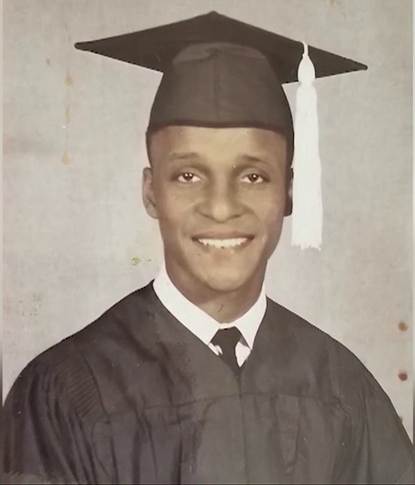
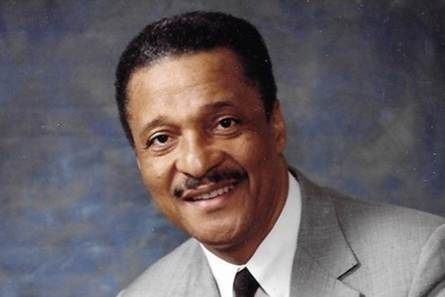
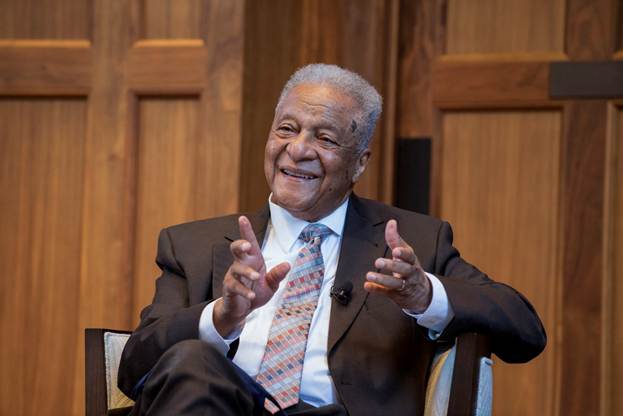
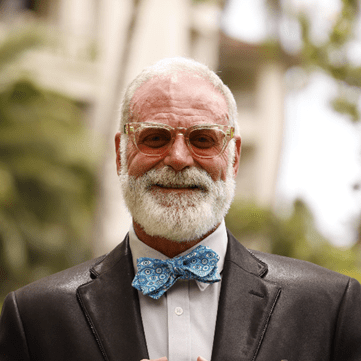
    Dr. Marion Gerald Hood.

    The Seeds of a Dream

    Growing up in Griffin, Georgia, Hood’s path to medicine began not in a classroom but in a cramped examination room where injustice wore a white coat. He accompanied his mother, Jessie Lee Hood Trice, a practical nurse who raised him and his two siblings, to a doctor’s appointment. They entered through the back door, relegated to a tiny room resembling a closet. His mother sat on a Coca-Cola crate while they waited for every white patient to be seen first.

    That moment crystallized young Marion’s future. He would become a physician, and he would treat all patients with the dignity his mother had been denied.

    By 1959, Hood had graduated from Clark College and was pursuing his dreams with determination. When he applied to Emory’s medical school that July, he had already submitted applications to Howard University and Meharry School of Medicine. The response from Emory’s Director of Admissions, L.L. Clegg, arrived in less than a week, four sentences that epitomized the institutional racism of Jim Crow America.

    A System Designed to Exclude

    The letter Hood received wasn’t an anomaly. It was policy. In the segregated South of 1959, universities operated under state laws that penalized racial integration. Ironically, Georgia would pay Black students the difference in tuition costs to attend schools out of state—ensuring they received their education anywhere but in Georgia’s white institutions.

    “I did not expect to get into Emory,” Hood later reflected with remarkable grace.

    Rising Above Rejection

    Hood took his “last shot” at medical school and applied to Loyola University Chicago’s Stritch School of Medicine. They accepted him. During his years at Loyola, Hood discovered that discrimination followed him even into medical school. “The professor in OB-GYN asked me questions,” he recalled. “So I had to be extra prepared.”

    He graduated in 1966, completed his internship in Orange County, California, and returned to Chicago for his obstetrics and gynecology residency. After serving as a doctor in Vietnam, Hood came back to Atlanta, the city where he’d been rejected, and opened his own practice in 1974.

    Dr. Marion Gerald Hood.

    Over the next 34 years, Dr. Hood delivered more than 7,000 babies and built a reputation as a compassionate, skilled physician. But perhaps the most powerful testament to his character came from a story he shared through tears decades later. Working in an emergency room early in his career, a patient spit in Hood’s face upon waking and seeing his Black doctor. When the man later expressed confusion about why Hood continued providing excellent care, Hood’s response embodied his life philosophy: “I was a doctor. I wanted to take care of people and sometimes you have to take care of people that you don’t really like.”

    A Belated Apology

    Dr. Marion Gerald Hood.

    Emory desegregated in 1962 and admitted its first Black medical student in 1963 just four years after rejecting Hood. But it took until June 2021 for the institution to formally apologize.

    At age 83, Hood participated in a Juneteenth event at Emory where Dean Vikas P. Sukhatme delivered a formal apology on behalf of the medical school, acknowledging that Hood’s distinguished career showed he had been “the ideal candidate.”

    After retiring in 2008, Hood didn’t stop serving. He continues working part-time at a clinic in Warm Springs, Georgia, that treats patients regardless of their ability to pay.

    His rejection letter remains framed in his basement, not hidden in shame, but displayed where friends can see it. It’s his reminder of “how far we’ve come, and how far we have to go.”

    Dr. Marion Gerald Hood’s story isn’t just about perseverance in the face of discrimination. It’s about a man who refused to let hatred define his purpose and demonstrated that the measure of a physician isn’t found in the prestige of their medical school but in the content of their character and the lives they touch.

  • Who is Paul Saladino, MD, the “Carnivore MD”?

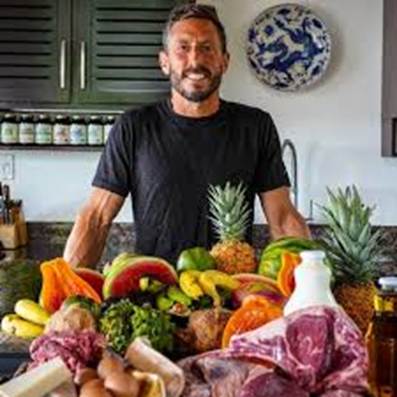
    If you have spent any time scrolling through health and fitness social media lately, you’ve likely seen a shirtless man in a grocery store pointing at kale and calling it “poison.” That man is Paul Saladino, MD, widely known as the Carnivore MD.

    In a world where wellness advice feels like a revolving door of contradictions, Saladino has carved out a massive niche by advocating for a return to “ancestral” eating. But as his message has evolved from “meat-only” to “meat and fruit,” many are left wondering: is he a visionary pioneer or just another biohacking provocateur?

    As far as his advocacy of the Carnivore diet is concerned, he has written extensively on the subject.

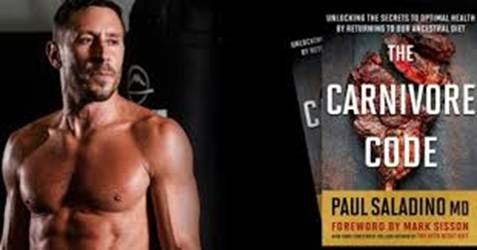
    Who is Paul Saladino, MD, the "Carnivore MD"?  Carnivore Code

    The Bio: From Psychiatry to Steaks

    Paul Saladino’s path to becoming a health influencer was not linear. He earned his medical degree from the University of Arizona and completed his residency in psychiatry at the University of Washington. He is also a certified “Functional Medicine” practitioner.

    His journey into the nutritional space was sparked by his own struggle with severe eczema, which he claims was only cured when he eliminated plants and transitioned to a nose-to-tail carnivore diet. This personal transformation led to his 2020 book, The Carnivore Code, which became a foundational text for the movement.

    Popularity and Digital Footprint

    Saladino is an undisputed heavyweight in the digital health space. As of early 2026, his reach across platforms is staggering:

    • Instagram: ~2.8 million followers (@paulsaladinomd)
    • YouTube: ~1.06 million subscribers
    • TikTok: Over 700,000 followers

    His content is high-energy, visually striking, and often filmed in tropical locales like Costa Rica. He isn’t just a creator; he’s a businessman. He is the founder of Heart & Soil, a supplement company specializing in desiccated (freeze-dried) organ meats, and co-founded Lineage Provisions, which produces meat-based snacks.

    The Message: Evolution of the “Animal-Based” Diet

    Saladino’s core philosophy centers on the idea that plants have “defense chemicals” (like oxalates and lectins) that can trigger inflammation and autoimmune issues in humans.

    Interestingly, his advice has shifted over time. Originally a strict carnivore, he later admitted that long-term ketosis caused him sleep issues and heart palpitations. He now promotes an “Animal-Based” diet, which includes:

    1. Muscle and Organ Meats: The foundation of nutrition.
    2. Fruit and Honey: His primary source of “clean” carbohydrates.
    3. Raw Dairy: A controversial staple he advocates for despite FDA warnings.

    Impact, Controversy, and Credibility

    Saladino’s impact on the performance and longevity space is undeniable. He has popularized the “nose-to-tail” approach, encouraging people to eat liver, heart, and bone marrow—nutritional powerhouses that modern diets often ignore.

    However, his credibility is a point of fierce debate. Critics, including other medical professionals and evidence-based fitness experts like Layne Norton (BioLayne), frequently “fact-check” him. Major points of contention include:

    • Seed Oils: His claim that seed oils are the primary driver of chronic disease is often criticized for “cherry-picking” data over large-scale human outcome trials.
    • LDL Cholesterol: He often downplays the risks of high LDL cholesterol, which can skyrocket on his diet, a stance that contradicts mainstream cardiology.
    • Scientific Accuracy: He has been accused of misrepresenting studies to fit a “plants are bad” narrative.

    The Verdict for the Confused Seeker

    For those looking for weight loss and muscle growth, Saladino’s advice to prioritize protein and eliminate processed “junk” food is solid. However, his hardline stance against vegetables and his promotion of raw milk are outliers in the medical community.

    If you are navigating this space, Paul Saladino is a fascinating figure to follow for a “rebel” perspective on health, just be sure to balance his energetic anecdotes with a healthy serving of mainstream clinical data.

    To truly understand the “Paul Saladino phenomenon,” you have to look at the two hills he is most willing to die on: Seed Oils and LDL Cholesterol. These are the areas where his “ancestral” wisdom most aggressively crashes into modern clinical science.

    If you are trying to find the right path, here is how the debate actually looks between “The Carnivore MD” and the broader medical community.

    1. The Seed Oil War: “Poison” vs. “Protective”
    Seed oils

    Saladino’s most viral content often involves him labeling seed oils (like soybean, corn, and canola oil) as the primary cause of modern chronic disease.

    • Saladino’s Argument: He claims the linoleic acid (an omega-6 fat) in these oils builds up in our cell membranes, oxidizes, and triggers a massive inflammatory cascade that leads to obesity and diabetes.
    • The Scientific Rebuttal: Clinical heavyweights like Layne Norton, Ph.D., and researchers from Harvard and Johns Hopkins point to dozens of human randomized controlled trials (RCTs). They argue that when humans replace saturated fats (like butter) with seed oils, their markers of inflammation actually decrease and their risk of heart disease drops.
    • The “Junk Food” Confound: Critics argue Saladino is conflating “seed oils” with “processed junk food.” While most scientists agree we should eat fewer deep-fried Oreos, they maintain that the oil itself isn’t the “toxin” Saladino claims it is.

    2. The LDL Cholesterol Dilemma

    This is the most controversial aspect of the animal-based diet. Many people following Saladino’s advice see their LDL (the “bad” cholesterol) skyrocket to levels that would make most cardiologists reach for a prescription pad.

    • Saladino’s Argument: He argues that high LDL isn’t a problem if your other markers—like triglycerides and HDL (the “good” cholesterol)—are optimal and your insulin sensitivity is high. He often focuses on oxidized LDL as the true villain, suggesting that on an animal-based diet, your LDL particles aren’t “damaged” and therefore aren’t dangerous.
    • The Mainstream Consensus: Organizations like the American College of Cardiology (ACC) and the American Heart Association (AHA) are unequivocal: ApoB (the protein found on LDL particles) is a causal driver of plaque buildup in the arteries. They warn that “feeling great” with massive LDL levels is a “silent” risk—you don’t feel the plaque building up until a major cardiovascular event occurs.

    Assessing Credibility: How to Navigate

    When evaluating Saladino’s advice, it helps to use a “Filter of Extremes”:

    AspectSaladino’s StanceMainstream/Evidence Stance
    Vegetables“Survival food” with defense toxins.Essential for fiber and phytonutrients.
    Organ MeatsMandatory for true health.Nutritious, but potentially high in heavy metals/Vitamin A.
    Saturated FatThe preferred human fuel source.Should be limited to <10% of calories for heart health.
    Raw DairyA superior, “living” food.High risk of foodborne illness (Salmonella/E. coli).

    Speaking of Raw Diary, Paul Saladino shared a raw milk smoothie shot with RFK Jr, the current Secretary of Health and Human Services as part of an interview with the Secretary, clearly rejecting the potential for illness in unpasteurized milk. 

    In 2023, he collaborated with California luxury grocery store Erewhon Market on the store’s Raw Animal-Based Smoothie, which mixes kefir (fermented milk from Scandinavia), beef organs, “immunomilk ” (a freeze-dried cow’s Colostrum product, with a variety of fruit, sea salt, honey and maple syrup, with the beef organs and Immunomilk provided by Heart & Soil, a company he founded with “The Liver King”.  The smoothie retailed for $19, and The raw milk supplier was “Raw Farms” of California, until it switched to pasteurization after tests of its milk turned up positive for H5N1 Influenz Virus, type A.  Consuming raw animal meat poses a substantial risk of bacterial infection.  And the orthodoxy of medical training does not leave room for debate for this point.

  • Who Is Dr. William Seeds?
    Dr. William Seeds, Orthopedic Surgeon and Peptide Expert.

    Dr. William Seeds is an orthopedic surgeon and arguably the leading voice in Cellular Medicine and Peptide Therapy. As the founder of the Seeds Scientific Research & Performance (SSRP) Institute, his credentials include over 25 years of surgical practice and a role as a consultant for major sports leagues (NHL, MLB, NBA).

    His lane is metabolic flexibility and tissue repair. He is the author of Peptide Protocols, which serves as a guide for clinicians learning how to use signaling agents (like BPC-157 or GLP-1s) to treat inflammation, autoimmune issues, and injury. His approach is highly scientific, focusing on “Redox signaling”, the idea that keeping cells in an optimal state of chemical balance is the key to longevity.

    Controversies & Reputation: Dr. Seeds is widely respected as a pioneer, but his proximity to the “biohacking” fringe has drawn scrutiny. Because he advocates for the use of peptides, many of which are not yet FDA-approved for the specific uses he discusses, he is sometimes grouped with “alternative” doctors by mainstream skeptics.

    Additionally, his focus on “natural” cellular optimization over traditional pharmaceuticals occasionally leads to debates regarding the long-term safety of unregulated peptides. For a seeker, Dr. Seeds offers a scientifically grounded path into the world of peptides, provided you are comfortable navigating the “off-label” nature of cellular medicine.

    You can find out more about Dr. William Seeds and his mission on his website:   SSRP Institute

  • Who is Alice Ball?

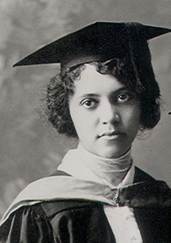
    In the annals of medical history, countless breakthroughs have saved lives and alleviated suffering. Yet, the names behind some of the most profound discoveries remain shrouded, often due to the systemic biases that plagued scientific institutions for centuries. One such name is Alice Ball, a brilliant chemist whose innovative treatment for leprosy transformed the lives of thousands, only for her contributions to be nearly erased from history.

    Born in Seattle, Washington, in 1892, Alice Augusta Ball was a trailblazer from a young age. Her family was educated and supportive, fostering an environment where her intellectual curiosity could flourish. She excelled in science, earning degrees in pharmaceutical chemistry and pharmacy from the University of Washington. Her academic prowess led her to the University of Hawaii, where she became the first woman and the first African American to earn a Master’s degree from the institution. This was a remarkable achievement in itself, at a time when opportunities for women and people of color in higher education, especially in scientific fields, were severely limited.

    Ball’s master’s research focused on the chemical properties of Piper methysticum, also known as kava, and its active compounds. Her exceptional skill in isolating active compounds and developing purification methods quickly caught the attention of Dr. Harry Hollmann, a surgeon at Kalihi Hospital in Hawaii, which specialized in treating leprosy.

    At the turn of the 20th century, leprosy (Hansen’s disease) was a devastating and highly stigmatized illness with no effective cure. Patients were often exiled to isolated communities, like the infamous Kalaupapa settlement on Molokai, where they lived out their lives in segregation and despair. The most promising treatment at the time involved chaulmoogra oil, derived from the seeds of the Hydnocarpus wightianus tree. However, this oil was thick, insoluble in water, and intensely irritating when applied to the skin or ingested. Patients often experienced severe nausea and vomiting, making sustained treatment nearly impossible.

    Dr. Hollmann desperately needed a way to make chaulmoogra oil tolerable and effective. He recognized Alice Ball’s unique talents in chemistry and approached her to find a solution. Ball, still in her early twenties, took on the monumental challenge. Through rigorous experimentation, she devised a revolutionary method: she isolated the active ester compounds from chaulmoogra oil and, more importantly, chemically modified them to create a water-soluble, injectable form. This “Ball Method” meant the drug could be safely administered intravenously or intramuscularly, allowing it to be absorbed effectively by the body without the horrendous side effects of the raw oil.

    The impact was immediate and profound. Patients who had previously suffered immensely from chaulmoogra oil could now receive consistent treatment. Many showed remarkable improvement, and some were even able to leave the leper colonies and return to their families. The Ball Method became the standard treatment for leprosy worldwide for decades, until the advent of multi-drug therapy in the 1940s.

    Tragically, Alice Ball did not live to see the full impact of her discovery or receive the recognition she deserved. She fell ill during her research, possibly due to exposure to toxic chemicals in the lab, and returned to Seattle for treatment. She passed away on December 31, 1916, at the tender age of 24. Her death certificate cited tuberculosis as the cause, though the full circumstances remain somewhat unclear.

    Before she could publish her groundbreaking findings, her life was cut short. Following her death, Dr. Arthur Dean, the president of the University of Hawaii and a chemist himself, continued her work. He began producing large quantities of the injectable chaulmoogra oil, but he published the results without giving Alice Ball any credit, even going so far as to call it “The Dean Method.” This blatant act of intellectual theft stripped Ball of her rightful place in medical history.

    It took years for the injustice to be rectified. Dr. Harry Hollmann, the physician who initially sought Ball’s help, publicly advocated for her recognition, publishing an article in 1922 that credited her with the discovery. However, the “Dean Method” persisted in medical literature for too long. Only in recent decades has her story been brought to light, largely thanks to the efforts of historians and scientists who recognized the systemic erasure of women and minorities from scientific narratives.

    Today, Alice Ball is celebrated as a pioneer. The University of Hawaii has honored her with a plaque and scholarships in her name. Her legacy stands as a powerful reminder of the hidden figures of science and the importance of ensuring that credit is given where it is due, regardless of gender or race. Her brilliance not only offered hope and healing to countless leprosy patients but also illuminated the path for future generations of diverse scientists.

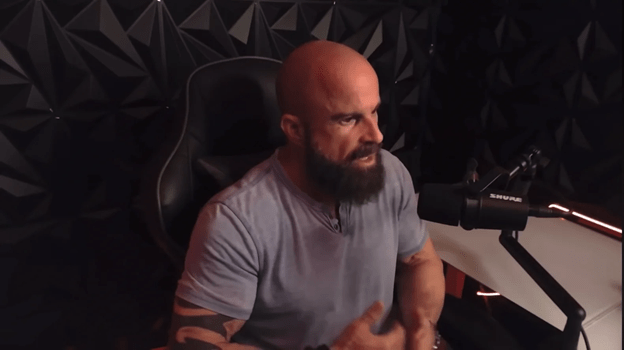
  • Who is Dr. Trevor Bachmeyer?

    Who is Dr. Trevor Bachmeyer?

    If you’ve spent any time scrolling through fitness Instagram or searching for ways to fix a nagging shoulder impingement, you’ve likely encountered the high-intensity, no-nonsense presence of Dr. Trevor Bachmeyer. Known to his millions of followers as the mastermind behind SmashweRx, Bachmeyer has carved out a unique—and often polarizing—lane in the modern human performance landscape.

    Whether you’re a “gym bro” looking for peak hypertrophy or a biohacker hunting for longevity secrets, here is the breakdown of the man often called the “fittest doctor on earth.”


    The Bio: A Story of Survival

    Dr. Trevor Bachmeyer’s personal brand is built on a foundation of extreme resilience. His “claim to fame” isn’t just his physique; it’s his medical history. Bachmeyer is a cancer survivor who has faced incredible odds, including a diagnosis of Stage 3B Non-Hodgkin’s Lymphoma and a major surgery in 2021 to remove a massive tumor and his entire left lung.

    His transition from a “medical death sentence” to a high-performance athlete forms the core of his message: that the human body is capable of far more than traditional medicine often suggests.

    Education and Professional Background

    Bachmeyer is a Doctor of Chiropractic (DC). While his “Dr.” title is sometimes a point of contention among critics who distinguish between chiropractors and medical doctors (MDs), his educational background focuses heavily on musculoskeletal health, biomechanics, and rehabilitation. This expertise led to the creation of his most famous business, SmashweRx, which focuses on “smashing” through mobility restrictions and chronic pain without surgery or drugs. 

    While Dr. Trevor Bachmeyer is widely known for his high-performance advice, his professional standing as a licensed chiropractor has been a subject of significant scrutiny. For those following his journey, the circumstances surrounding his license are as unconventional as his training methods.

    The Revocation of His License

    Dr. Bachmeyer’s license to practice chiropractic in California (DC 29377) was officially revoked on July 8, 2020, by the California Board of Chiropractic Examiners. This was not a sudden event but the culmination of several years of disciplinary oversight and administrative failures.

    The board cited several specific reasons for the revocation, categorizing them under unprofessional conduct:

    • Failure to Provide Verification of Continuing Education: A standard requirement for maintaining professional credentials that Bachmeyer failed to meet.
    • Failure to Provide Patient Records: He did not comply with board requests for patient documentation, which is a critical regulatory obligation.
    • Failure to Comply with Probation Terms: Prior to the full revocation, Bachmeyer was already on probation. The board determined he had failed to meet the specific “terms and conditions” set forth during that period.

    Transition to Performance Coaching

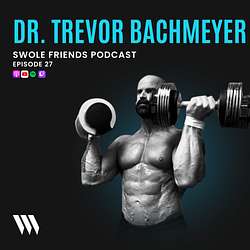
    Dr. Trevor Bachmeyer. Swoll Friends podcast

    The loss of his license marked a definitive shift in his career. Rather than fighting to regain his clinical credentials, Bachmeyer leaned fully into his digital persona and the SmashweRx brand. By moving away from a traditional clinical practice, he positioned himself as a “human performance specialist” rather than a practicing chiropractor, allowing him to bypass the rigid regulations of state boards while still utilizing his knowledge of biomechanics.

    This transition has allowed him to speak more freely and controversially about topics like peptides and hormone optimization, which often fall outside the traditional scope of chiropractic care. While the revocation remains a point of criticism for those who value institutional credentials, his millions of followers often view it as part of his “renegade” identity, a man who stepped outside the system to teach what he believes really works.

    His Lane: Biohacking and Human Performance

    In the crowded world of fitness influencers, Bachmeyer occupies the “High-Performance Longevity” lane. He doesn’t just preach getting big; he preaches being “tactically ready.”

    • Muscle Building & Peptides: He is a vocal advocate for optimizing hormones and utilizing peptides to bypass the “dogma” of the traditional healthcare system.
    • The Spartan Mindset: Through his businesses like The Spartan Army and G Life, he merges physical training with a “warrior” psychological approach, targeting military operators, elite athletes, and high-level entrepreneurs.

    Personal Style and “Bro Science” Appeal

    Bachmeyer’s delivery is pure “alpha” energy. He often records videos in a shirt and tie or tactical gear, speaking in absolutes with a blunt, direct tone. He effectively bridges the gap between clinical knowledge and “bro science”, using technical terms to explain why your deadlift is killing you, while maintaining the raw intensity that resonates with the gym-going public.

    Social Media Presence

    Bachmeyer is a heavyweight in the digital space:

    • Instagram (@smashwerx): Over 1.4 million followers.
    • YouTube: A massive library of mobility and training content under the SmashweRx banner.
    • Other Ventures: He is the CEO of multiple companies, including BodyHacks, FitX365, and the performance coaching firm Diced.

    The Controversy: The CrossFit Ban

    You can’t discuss Bachmeyer without mentioning the 2017 CrossFit Games scandal. Bachmeyer was disqualified and banned for four years after it was discovered he had doctored his video submission for the 17.5 Open workout. CrossFit HQ determined he had filmed one round and looped it to make it look like ten.

    Bachmeyer eventually issued a public apology, citing an ego-driven “bad decision” fueled by a narrow focus on winning. While this remains a stain on his competitive credibility, it hasn’t stopped his growth as a coach and influencer.

    Credibility and Ranking

    Where does he rank? In the world of mobility and rehab, many compare him to a more aggressive, “street-version” of Kelly Starrett. While the medical establishment may eye his holistic/chiropractic claims with skepticism, his followers swear by his results.

    The Verdict: If you value raw intensity, “root cause” biohacking, and a “no-excuses” mentality, Bachmeyer is a top-tier resource. If you prefer your doctors to be traditional and your athletes to have a clean competi To stay connected with Dr. Trevor Bachmeyer and his various training platforms, here is the official list of his websites and social media channels:

    Primary Websites

    Social Media Channels

  • Who Is Dr. Alex Tatem?
    Dr. Alex Tatem, Urologic Surgeon and Podcaster.

    Dr. Alex Tatem is a board-certified urologist and fellowship-trained expert in Men’s Health, currently practicing at the Men’s Health Center at Urology of Indiana. His credentials are robust: he earned his MD from the Medical College of Georgia and completed advanced training in Male Sexual and Reproductive Medicine at the prestigious Baylor College of Medicine.

    His “lane” is the surgical and clinical restoration of male function. While many influencers focus on general “wellness,” Tatem specializes in high-volume prosthetic urology (penile implants), male fertility, and the management of low testosterone. His approach is traditionally medical, grounded in peer-reviewed research and a patient-centered philosophy he calls “The Tatem Theory,” which emphasizes transparency and specialized care pathways.

    Dr. Tatem’s claim to fame in the social media space is his role as an educator and “myth-buster.” He is frequently interviewed by major news outlets regarding the dangers of fitness products targeting teens and the misuse of Selective Androgen Receptor Modulators (SARMs).

    Dr Alex Tatem, Urologic Surgeon and Podcaster.

    Dr. Tatem’s knowledge of PEDS including SARMS, Androgenic and Anabolic Steroids is extensive as well as the latest data on Bioactive Peptides.  In addition to beginning his YouTube videos and reels with a medical disclaimer, Dr. Tatem’s makes it exceedingly clear that he is not advocating the use of these agents, many of which are illegal substances, banned substances, substance which failed clinical trials although expressing his awareness that there are performance enthusiasts and bodybuilders who do use these substance.  He emphasizes the danger in the lack of rigorous trials to determine safety and efficacy.  He comes from a vantage point of understanding the basic medical science, mechanisms and pharmacology issues surrounding these agents and shares that knowledge so that people can use the best judgment.

    Controversies & Reputation: Dr. Tatem has a stellar reputation within the medical community and is often seen as a reliable counterweight to the “non-doctor” influencers. However, he has faced criticism from the “natural” community for his work with cosmetic girth enhancement fillers. Critics argue that medicalizing cosmetic enhancement can prey on male insecurities, though Tatem defends the practice by emphasizing safety and standardized medical protocols over unregulated alternatives. For a seeker, he is the definitive source for male-specific biological restoration, though his focus is more clinical than “biohacking.”

    To learn more about Dr. Alex Tatem, visit his website at  MENS HEALTH INDIANA or his YouTube channel  at  @DrAlexTatem

  • Who is Marthe Gautier?

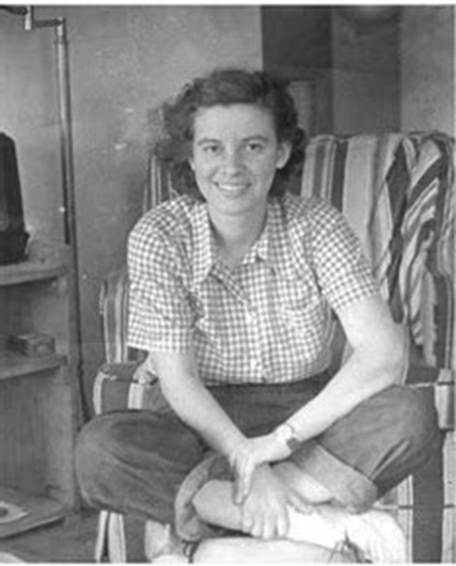
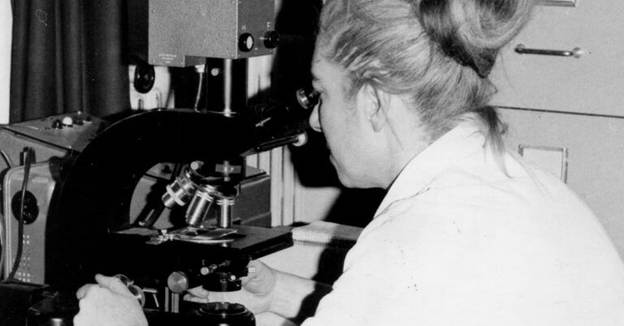
    Medical breakthroughs are often attributed to the “great men” who lead the laboratories, but the true labor of discovery frequently happens at the hands of those they supervise. Marthe Gautier, a French pediatrician and researcher, is the woman who actually looked through the microscope and discovered the chromosomal cause of Down syndrome. Yet, for over half a century, the credit for this discovery was hijacked by her colleague Jérôme Lejeune, leaving Gautier in a decades-long struggle for recognition.

    Martha Gautier - Discovered the Chromosomal Abnormality of Down Syndrome.

    Born in 1925, Gautier was a brilliant medical student who specialized in pediatrics. In the mid-1950s, she received a scholarship to study at Harvard, where she learned the cutting-edge techniques of cell culture. Upon returning to France, she joined the laboratory of Raymond Turpin at Trousseau Hospital. Turpin had long hypothesized that Down syndrome was caused by a chromosomal abnormality, but he lacked the technical skill to prove it. Gautier, with her Harvard training, was the missing link.

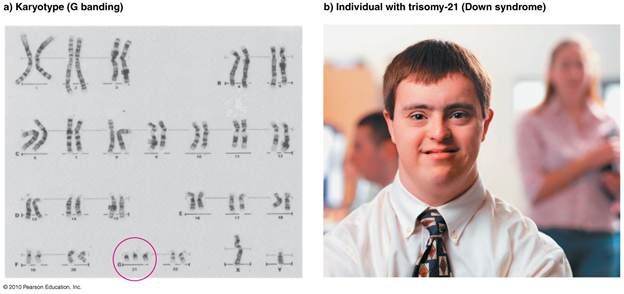
    Working in a cramped, poorly equipped lab, Gautier managed to culture cells from patients with Down syndrome—a feat that was notoriously difficult at the time. In May 1958, while examining the cells under a microscope, she counted 47 chromosomes instead of the usual 46. She had discovered Trisomy 21.

    Down Syndrome is caused by the extra Chromosome at 21.  Trisomy 21

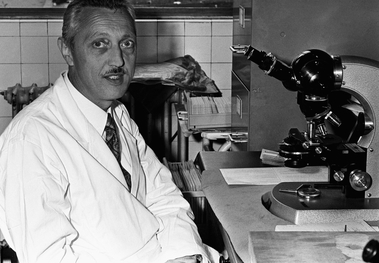
    Lacking a high-quality camera to document her findings, she handed her slides to Jérôme Lejeune, a younger researcher in the lab, so he could photograph them at another facility. Instead of simply taking photos, Lejeune took the slides to an international conference and presented the discovery as his own. When the landmark paper was published in 1959, Lejeune was listed as the first author, and Gautier’s name was misspelled and relegated to a secondary position.

    Jerome Lejeune took the slides prepared by Marthe Gautier under the guise of taking photos, but instead presented the slides at an international conference and claimed credit for her work.

    Lejeune, the true villain of this story, went on to become a world-renowned figure, receiving the Kennedy Prize and being nominated for a Nobel. Gautier, disillusioned by the theft of her work, eventually left the field of genetics to practice clinical pediatrics. It wasn’t until the 21st century, in her late 80s, that she was finally honored by the French Society of Human Genetics and awarded the Legion of Honour, officially restoring her place as the true discoverer of the extra chromosome.