• Who Gets Protected When the Broadcast Rolls?

    The BAFTA Tourette’s Incident and the Unequal Politics of Harm

    February 27, 2026

    It was supposed to be a night of triumph. John Davidson, the Scottish Tourette’s syndrome campaigner who has spent decades turning his most isolating condition into a vehicle for public education, had been invited to the 79th BAFTA Film Awards to celebrate “I Swear,” the critically acclaimed British film inspired by his life. The film had swept awards season. Its star, Robert Aramayo, would go on to claim the night’s Best Actor prize over Leonardo DiCaprio and Timothée Chalamet. It should have been, as BAFTA itself later acknowledged, “a night of celebration” for Davidson.

    John Davidson,  Subject of a Award winning Documentary about Tourette's Syndrome.

    John Davidson

    Instead, it became one of the most debated and uncomfortable nights in British broadcasting history — a night that exposed not merely a single editorial failure, but a web of interlocking questions about neuroscience, racial hierarchy, institutional responsibility, and the limits of empathy.

    As Michael B. Jordan and Delroy Lindo, the celebrated Black stars of “Sinners,” took the stage at London’s Royal Festival Hall to present the first award of the night, a voice rang out from the audience some forty rows back. It was Davidson, and what he shouted was the N-word.

    Michael B Jordan and Delroy Lindo, acclaimed American Actors who were exposed to an Involuntary racial slur.

    Michael B Jordan and Delroy Lindo

    Jordan and Lindo paused. Then, with the kind of professionalism that no one should ever be required to demonstrate, they continued. The BBC, broadcasting the ceremony on a two-hour tape delay, aired the slur anyway. The homophobic tic Davidson had also directed at host Alan Cumming, it would later emerge, had been quietly edited out.

    BAFTA and the BBC have since apologized. Davidson himself has expressed profound mortification and reached out privately to apologize to Jordan and Lindo. All the principal actors in this story behaved, ultimately, with more grace than the institutions around them. But the questions raised that night are not going away, and they deserve a serious reckoning.

    What Is Tourette’s Syndrome — and What Is Coprolalia?

    Tourette’s syndrome is a neurodevelopmental disorder characterized by sudden, repetitive, involuntary movements and vocalizations called tics. First described in the 19th century by French neurologist Georges Gilles de la Tourette, the condition typically appears in childhood and often diminishes in severity in adulthood — though for some, like Davidson, it remains a defining feature of daily life.

    The symptom that seized public attention at the BAFTAs has a clinical name: coprolalia. Derived from the Greek for “dung” and “speech,” coprolalia refers to the involuntary utterance of obscene, offensive, or socially taboo words and phrases. It is, crucially, not the defining feature of Tourette’s — only an estimated 10 to 30 percent of those with the condition experience coprolalia, and its presence is not required for diagnosis. Yet it is the symptom most lodged in popular consciousness, partly because of dramatic media portrayals and partly because it is so viscerally arresting when it occurs.

    Davidson himself has been explicit: the words that emerge from him during tic episodes are “literally the last thing in the world” he believes. “It is the opposite of what I believe,” he told Variety. “The most offensive word that I ticked at the ceremony is a word I would never use and would completely condemn if I did not have Tourette’s.” He has devoted his life to anti-racism and disability advocacy. He has been physically assaulted for his condition. He left the auditorium of his own accord that night because he was aware of the distress his tics were causing others.

    This is not in dispute. The neurological reality of Tourette’s is well-established: tics are not chosen, and they carry no intentional meaning. But the very involuntariness of coprolalia raises a question that is, paradoxically, one of the most contested in the science of the condition.

    Does the Brain Choose Its Worst Words?

    Not everyone with coprolalia shouts racial slurs. This is not a trivial observation. It is, in fact, one of the most ethically and scientifically charged aspects of the condition, and it deserves a direct examination.

    Researchers have noted that the specific content of coprolalia tics tends to reflect what a given individual, in a given cultural context, experiences as the most socially transgressive language possible. There is a well-documented phenomenon called “oppositional ticcing” — the involuntary compulsion to say the absolute worst thing one could say in a given environment. Tourette’s advocate Jess Thom, speaking in the aftermath of the BAFTA incident, described it as tics “searching out” the most upsetting expression for both the person and those around them. Davidson himself noted the phenomenon of “echolalia” — the triggering of tics by what one sees and hears — explaining that Alan Cumming’s joke about his own sexuality and a reference to Paddington Bear triggered homophobic tics; and the presence of two Black men on stage preceded the racial slur.

    This produces a genuinely difficult question: if the brain is — even non-consciously — selecting the most socially violating content available to it, does the language that a person has absorbed and categorized as “maximally offensive” shape what emerges? The clinical consensus remains that tics themselves are involuntary. But the lexicon from which the brain draws cannot be entirely independent of the person’s lifetime of language exposure and socialization. A person who has genuinely never encountered a racial slur, who has no mental representation of such a word, cannot tic it. The word must, at some level, exist in the neural architecture.

    This does not make Davidson morally culpable. It does not mean the tic was intentional. Intentions and neurological processes are different things. But it does suggest that the specific vocabulary of coprolalia is not random — that the brain is drawing from a culturally and personally inflected reservoir of what counts as “unsayable.” In societies where racial slurs are among the most charged words in the language, they will therefore recur in the tics of coprolalia sufferers who have internalized their power as transgressive, even if they find them personally abhorrent.

    This understanding actually deepens our sympathy for Davidson, who has lived knowing that his tics could betray everything he stands for. It does not diminish the impact on Jordan and Lindo. Both of these things are true simultaneously, and any honest engagement with the BAFTA incident must hold them in tension.

    The BBC’s Editing Decision: An Act of Differential Protection

    Here is what we know about the BBC’s editorial choices that night, and they are damning in their specificity.

    The BBC broadcast the BAFTA ceremony on a two-hour tape delay. This is not live television. A two-hour window is more than sufficient time for editorial review, particularly when the broadcaster knew in advance that Davidson — a man who has made four previous documentaries with the BBC about his Tourette’s — would be in the room. Multiple other elements of the broadcast were edited: the BBC cut an award presenter saying “Free Palestine,” a political statement the corporation deemed inappropriate for broadcast. The homophobic tic that Davidson directed at Alan Cumming was also removed.

    The N-word, directed involuntarily at two Black men on a public stage, was not.

    BBC head of content Kate Phillips later acknowledged in a staff email that a second racial slur had been edited out during production. The N-word, she said, “was aired in error and we would never have knowingly allowed this to be broadcast.” That acknowledgment makes the failure worse, not better: the BBC had an editorial protocol in place, that protocol was applied to protect some people and not others, and it failed specifically in the case of the word with the longest and most painful history of anti-Black dehumanization in the English language.

    The pattern of what was edited and what was not tells a story. Alan Cumming — a white Scottish entertainer who is openly gay — was protected. His dignity, and by extension his ability to continue hosting without the taint of a homophobic slur attached to his name, was preserved. Jordan and Lindo — two Black men who were guests at a ceremony, on a stage, with cameras pointed at them — were not extended the same protection. They could not react. They could not defend themselves. They could not step away. The professional constraints of a live television moment meant they were required to absorb the moment in public and in silence, their poise serving as both their shield and their cage.

    Delroy Lindo, speaking to Vanity Fair at a post-ceremony party, said he and Jordan “did what we had to do” and that he wished someone from BAFTA had spoken to them after the incident. That statement — measured, dignified, grieved — carries a weight that should not be allowed to dissipate. Two Black men, world-renowned artists, were subjected to a racial slur on a public stage, aired to millions on national television, and the organization responsible for the evening found time to thank them for their “incredible dignity and professionalism” before it found time to ensure that dignity was protected.

    The Power Asymmetry of Public Racial Harm

    There is a structural inequality embedded in incidents of this kind that must be named clearly. When a racial slur is directed at a Black person in a public context, that person’s ability to respond is almost always constrained by the same professionalism that society demands of them. To react visibly is to be characterized as “difficult” or “oversensitive.” To absorb it silently is to allow the harm to pass unchallenged. This is a double bind with a long history, and it is not incidental to the BAFTA incident — it is central to it.

    Jordan and Lindo were not backstage when the tic occurred. They were not in the audience with the option to leave or look away. They were the presenters — standing at a podium, faces lit by television cameras, mid-sentence. The architecture of the moment stripped them of every ordinary means of response available to someone subjected to racial abuse. And then, when they responded with grace, they were praised for it — which is a kind of praise that should make anyone uncomfortable, because it converts their lack of options into a moral achievement.

    Compare this to the position of Alan Cumming. The homophobic tic aimed at him was edited out before broadcast. The millions of viewers who watched the BBC ceremony did not hear it. His reputation was not altered by association. He retained full control over his own public narrative that night. This is not to suggest that homophobic language is less serious than racist language, or that Cumming’s protection was unwarranted — it is to suggest that the same protection was owed to Jordan and Lindo, was available within the BBC’s two-hour editing window, and was not deployed.

    The question “why not?” has not been fully answered. The BBC has described it as an error. But errors in broadcasting tend to reflect the implicit hierarchies of the organizations that make them, and an error that consistently falls on the side of under-protecting Black people is not a neutral accident — it is the shape of a structural problem.

    Holding Complexity: Empathy for Davidson, Accountability for Institutions

    The most important thing to resist in this conversation is the false binary: that we must either fully protect Davidson’s dignity as a disabled person or fully acknowledge the harm done to Jordan and Lindo. These are not competing propositions. They are both true, and they demand different things from different parties.

    Davidson is not morally culpable for his tics. He has said so, and the neuroscience supports him. He left the auditorium voluntarily, has expressed deep mortification, and has reached out to apologize privately. His life’s work is the antithesis of the language his condition forces from him. The public reaction that has included suggestions that his tics reveal unconscious racism — that “I need to stay inside” or “I am racist deep down” — misunderstands the neurological reality of coprolalia and has caused additional pain to a man who is himself a victim of his condition. That reaction is wrong, and correcting it matters.

    And yet. The institutions around Davidson — BAFTA and the BBC — made choices. Inviting Davidson was a choice. Announcing his presence to the auditorium was a choice (and arguably the right one). Pre-informing the television audience of the possibility of offensive language was a choice. Editing the homophobic tic was a choice. Not editing the racial slur was a choice, even if an inadvertent one. Leaving the ceremony on iPlayer with the slur audible for fifteen hours before removing it was a choice. Each of these choices reflects institutional judgment, and several of them reflect institutional failure.

    BAFTA has since launched what it describes as a “comprehensive review.” The BBC has apologized. Both organizations say they will learn from the incident. These are necessary but not sufficient responses. The review that BAFTA owes its members — and the public — must confront a specific question: in the planning process, who was consulted? Were Jordan and Lindo — or any of the Black artists invited to present that evening — informed in advance that a man with coprolalia would be in the audience and that racial slurs were among the possible tics? Lindo’s statement suggests they were not. If that is true, it represents a fundamental failure of inclusion: the discomfort of some was considered more carefully than the safety of others.

    The Broader Politics of Tourette’s

    The BAFTA incident arrives at a particular moment in the politics of Tourette’s. “I Swear” has done what great advocacy art is supposed to do: it has shifted public understanding. The Tourettes Action charity reports an unprecedented wave of people engaging with the condition’s reality — people who had previously known it only through caricature now confronting its actual weight. Davidson has described being assaulted, isolated, and socially imprisoned by his tics. The film’s success represented a genuine cultural recalibration.

    The BAFTA night, for all its pain, may ultimately advance that education — not because racial slurs are pedagogically useful, but because the conversation it has forced is now unavoidable. Millions of people who knew little about coprolalia now understand that it is real, that it is not shamming, and that it causes tremendous suffering to those who live with it. The Tourette’s community has been vocal about this silver lining even as it mourns the circumstances.

    But the politics of Tourette’s cannot be separated from the politics of race. The condition does not exist in a vacuum; it operates within social contexts that have existing hierarchies of harm. When coprolalia draws on the most powerful taboo words in a culture, it will draw on racial slurs in a society where racial slurs carry the deepest history of violence and dehumanization. This is not Davidson’s fault. It is also not a reason to treat the harm to Jordan and Lindo as merely collateral. Both things must be named, and named plainly.

    What a Reckoning Looks Like

    The BAFTA incident has no satisfying resolution, and we should resist the pressure to find one. John Davidson is not a racist, and he is also not entirely without the capacity to cause racial harm. The BBC made an error, and that error was not neutral. Jordan and Lindo conducted themselves with extraordinary grace, and they should never have been required to. All of this is true.

    What a genuine reckoning requires is this: that institutions like BAFTA and the BBC develop protocols that extend equal consideration to all of the people they put in front of cameras. That means consulting presenters — especially Black presenters — before events where the possibility of racial slurs has been identified and accepted as a risk. That means applying editing resources uniformly, rather than in ways that protect some categories of people more carefully than others. And that means being honest, afterwards, about why the error fell the way it did.

    It also requires, at the level of public discourse, that we become capable of holding two sympathies simultaneously: one for a man whose disability has sentenced him to a life of inadvertent transgression, and one for two men who were subjected to a racial slur on national television with nowhere to go and nothing they could say. Empathy is not a finite resource that must be rationed between the disabled and the racially harmed. We have enough of it — if we are willing to use it carefully.

    The night that was supposed to celebrate “I Swear” — a film about the isolation and misunderstanding Tourette’s creates — instead became an illustration of exactly that isolation and misunderstanding, played out in real time, in front of millions. The only question now is whether the institutions responsible for that illustration will do the work that the film itself was pointing toward.

    Key Terms

    Coprolalia: The involuntary utterance of obscene, offensive, or socially taboo words and phrases. A symptom that affects 10–30% of people with Tourette’s syndrome. Derived from the Greek kopros (dung) and lalia (speech).

    Echolalia: The involuntary repetition or imitation of words and sounds heard from others. A tic trigger in which the person with Tourette’s is set off by language in their environment.

    Oppositional Ticcing: A described phenomenon in which the brain involuntarily produces the most socially transgressive utterance available to it in a given context — not as a reflection of the person’s beliefs, but as a neurological escalation toward maximum taboo.
  • Nandrolone: The Bodybuilder’s Steroid of Choice — What You Need to Know

    If you’ve spent any time in serious lifting circles, you’ve heard the name. Deca. NPP. These are the street names for compounds built on one of the most fascinating anabolic molecules ever studied — nandrolone. It’s not testosterone, but in many ways, for the right goals, it’s better. Here’s a deep dive into the chemistry, the benefits, and the very real dangers you need to understand before considering it.


    The Chemistry: What Makes Nandrolone Different

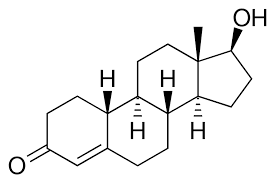
    Nandrolone

    nandrolone

    Nandrolone’s IUPAC name is 19-nortestosterone — and that prefix tells you everything. It’s structurally nearly identical to testosterone, with one critical difference: the carbon-19 methyl group on the steroid backbone has been removed. This single structural modification has profound downstream effects on how the molecule behaves in the body.

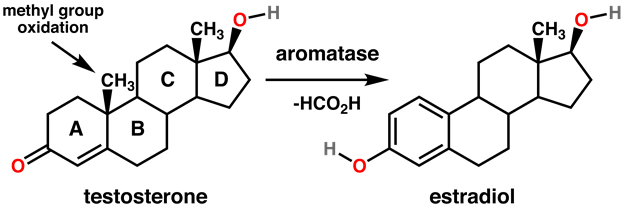
    That missing C-19 carbon dramatically reduces nandrolone’s affinity for the aromatase enzyme. Testosterone readily converts to estradiol through aromatization, driving water retention, gynecomastia, and blood pressure issues. Nandrolone aromatizes at roughly only 20% the rate of testosterone, and its estrogenic metabolite — estrone rather than estradiol — is far less potent. For bodybuilders, this means fewer estrogen-related side effects without the need for aggressive aromatase inhibitor use.

    Aromatase converts some androgens like testosterone to estradiol, promoting estrogenic and feminizing effects

    The same C-19 deletion also changes how the liver processes it. Nandrolone is notably less hepatotoxic than many 17-alpha-alkylated oral steroids like Anadrol or Winstrol, making it comparatively liver-friendly when used in injectable form.

    Synthesis and Esters

    Nandrolone is synthesized from estrone or testosterone precursors through a multi-step process involving steroid nucleus modification, reduction, and esterification. The raw base compound has a very short half-life in the bloodstream — which is where esters come in.

    The two dominant pharmaceutical esters are:

    Nandrolone Decanoate (Deca-Durabolin): The decanoate ester gives it a half-life of approximately 14–16 days, allowing for once-weekly or even every-10-day injections. This is the classic “slow and steady” compound, ideal for longer bulk cycles.

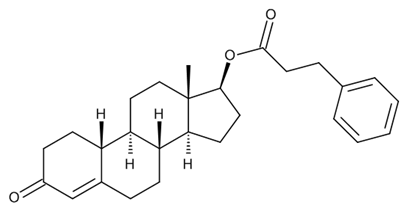
    Nandrolone Decanoate structure

    Nandrolone Decanoate

    Nandrolone Phenylpropionate (NPP): The shorter phenylpropionate ester produces a half-life of roughly 3–5 days. NPP clears the system faster, offering more cycle control and a quicker recovery to natural hormone production post-cycle. Many athletes prefer it for this flexibility.

    Nandrolone Phenylpropionate structure

    Nandrolone Phenylpropionate

    Anabolic vs. Androgenic Profile

    Nandrolone carries an anabolic-to-androgenic ratio of approximately 125:37 compared to testosterone’s baseline of 100:100. In practical terms, this means significantly more muscle-building stimulus per unit of androgenic (masculinizing) effect. Users experience less androgenic side effects — reduced acne, less hair follicle stress, lower risk of prostate enlargement — compared to testosterone or harsher androgens like trenbolone.

    It binds avidly to the androgen receptor, promotes nitrogen retention, increases IGF-1 production, enhances collagen synthesis, and boosts bone mineral density. That last two points make it uniquely valuable: nandrolone is one of the few anabolic compounds that actively supports joint health, a significant advantage over testosterone cypionate or enanthate, which don’t share this property. Bodybuilders running heavy compounds often stack nandrolone specifically to keep joints comfortable under heavy loads.

    FDA Approval and Medical Use

    Despite being a Schedule III controlled substance and prohibited in sport, nandrolone decanoate holds FDA approval under the brand name Deca-Durabolin for the treatment of anemia associated with renal insufficiency. It’s also been used medically for osteoporosis, muscle-wasting diseases, and severe burns — a testament to its clinically recognized anabolic and tissue-regenerating properties.

    Why Bodybuilders Choose It Over Other Compounds

    Compared to testosterone enanthate or cypionate, nandrolone offers less aromatization, better joint support, and a more favorable anabolic-to-androgenic ratio. Compared to trenbolone,often considered the most powerful anabolic, nandrolone is dramatically milder, with far fewer neurological and cardiovascular side effects. It’s a compound that delivers serious lean mass and strength gains while remaining relatively manageable for intermediate users.

    The Dangers: Don’t Skip This Section

    Nandrolone is not benign. Its risks include:

    HPTA Suppression: Nandrolone is one of the most suppressive compounds available. Natural testosterone production can shut down rapidly and recovery post-cycle can be prolonged, sometimes taking months even with proper PCT protocols.

    “Deca Dick”: Due to its progestin activity, nandrolone binds the progesterone receptor, libido and erectile function can crash, particularly when not paired with sufficient testosterone.

    Cardiovascular Impact: Like all anabolic steroids, nandrolone adversely affects lipid profiles, raising LDL and suppressing HDL, increasing long-term cardiovascular risk.

    Progestogenic Activity: Its progesterone-receptor binding can amplify estrogenic side effects in some users, including gynecomastia, even at low estrogen levels.

    Detection Window: Nandrolone metabolites are detectable in urine for up to 18 months — the longest detection window of any common anabolic compound.


    Final Word

    Nandrolone is a pharmacologically elegant molecule with a compelling clinical history and undeniable performance-enhancing effects. For bodybuilders who understand its chemistry and approach it with discipline, it offers advantages few compounds can match. But it demands respect. The suppression is real, the risks are real, and the legal and health consequences of misuse are serious. Know what you’re working with before you touch it.

    This article is for educational purposes only. Nandrolone is a controlled substance in the United States and many other countries. Always consult a licensed medical professional before using any hormonal compound.

  • Who is Valerie Thomas?

    The NASA Physicist Who Helped Us See the Earth — and the Future — Differently

    February 8, 1943 – Present  |  Baltimore, Maryland

    ✦  ✦  ✦

    In the broad arc of American science history, there are names that shine so brightly they illuminate paths for everyone who follows. Valerie Thomas is one of those names. A physicist, data scientist, inventor, and tireless mentor, Thomas spent more than three decades at NASA breaking barriers most people never even knew existed and emerging on the other side with a legacy that touches everything from satellite imagery to modern 3D technology. Her story is one of quiet determination, extraordinary intellect, and an unshakeable belief that curiosity should never be discouraged — no matter who you are or where you come from.

    Dr. Valerie Thomas, NASA

    ✦  ✦  ✦

    A Curious Mind in a World That Said “Not for You”

    Valerie LaVerne Thomas was born on February 8, 1943, in Baltimore, Maryland, and raised in the Cherry Hill community, a historically Black neighborhood whose tight-knit spirit would shape her character for life. From her earliest years, she was drawn to the inner workings of things. At around age eight, she borrowed a library book called The Boy’s First Book on Electronics, hoping her father, who loved to tinker with radios and television sets, would help her explore its projects. He didn’t. That quiet dismissal could have been discouraging. For young Valerie, it only deepened her resolve.

    The world of mid-20th century America was stacked against her in nearly every direction. As a young Black girl growing up in a racially segregated society, Valerie faced compounded disadvantages: systemic racism that limited educational access for African Americans, and a deeply entrenched cultural assumption that science, mathematics, and technology were simply not “for” girls. Her all-girls high school, Western High School itself only recently integrated under police protection in 1954 did not particularly encourage girls to pursue advanced science or mathematics coursework. Nobody pushed her toward the STEM classes she would have excelled in. The message, unspoken but unmistakable, was: this path is not yours.

    She walked it anyway.

    “She attended Morgan State University as one of only two women majoring in physics — and graduated with highest honors.”

    Building a Foundation: Education at Morgan State University

    After graduating high school in the early 1960s, Valerie Thomas enrolled at Morgan State University in Baltimore, Maryland, a Historically Black College and University (HBCU) with a proud tradition of academic excellence and a faculty deeply committed to nurturing Black scholars. It was here, finally, that Thomas found her intellectual home.

    She declared physics as her major at a time when the field was almost entirely male and almost entirely white. She was one of only two women in her physics program. Rather than shrinking under the pressure of that isolation, Thomas thrived. The department’s renowned physics chair, Dr. Julius Henry Taylor, was among those who recognized her ability and pushed her to grow. In one famous anecdote, he reportedly taught her trigonometry in about twenty minutes and it stuck.

    Thomas excelled across her mathematics and science coursework. In 1964, she graduated from Morgan State University with a degree in physics and with highest honors, a remarkable achievement by any measure, but especially striking given the barriers she had navigated to reach that podium.

    Her education did not stop there. Thomas was a lifelong learner in the truest sense. During her career at NASA, she earned a Master’s Degree in Engineering Administration from George Washington University in 1985. And in 2004, long after her retirement, she completed a Doctor of Education (Ed.D.) in Educational Leadership and Education Technology at the University of Delaware, under the guidance of Professor Fred T. Hofstetter. From physics to engineering to education, her intellectual curiosity never ran dry.

    ✦  ✦  ✦

    Finding Her Way to NASA — One Week After Graduation

    The speed of what happened next is almost astonishing: Valerie Thomas was hired by NASA’s Goddard Space Flight Center (GSFC) in Greenbelt, Maryland as a mathematician and data analyst just one week after graduating from Morgan State. The year was 1964, the same year the Civil Rights Act was signed into law and Thomas stepped into a federal scientific institution as one of very few Black women in a professional technical role.

    There was only one problem: she had never seen a computer before in her life. They existed, for her, only in science fiction films.

    That did not stop her. “Since my job involved writing computer programs, I decided to learn as much as possible about computers,” she recalled decades later. And she did exactly that,  attending graduate seminars, taking every training opportunity available, and immersing herself in the hardware and mathematics underlying early computer systems. At a time when computer programming required fluency in multiple number systems, binary, octal, decimal, hexadecimal and a strong foundation in abstract algebra, Thomas mastered it all with remarkable swiftness.

    Her first major project was developing “Quick Look Processors”, real-time computer programs that allowed scientists to access data from the Orbiting Geophysical Observatory (OGO) satellites, which studied the space environment including gamma and ultraviolet radiation. It was painstaking, pioneering work in an era when the entire discipline of satellite data processing was being invented from the ground up. Thomas was not following a playbook, and she was writing it.

    ✦  ✦  ✦

    Navigating Racism and Sexism at NASA

    To speak about Valerie Thomas’s career without acknowledging the environment in which she worked would be to tell only half the story. NASA in the 1960s and beyond was not a meritocracy untouched by the prejudices of its era. It was an institution embedded in American society — and American society carried the full weight of racial and gender discrimination into its hallways, conference rooms, and laboratories.

    Thomas was a Black woman in a world of white men. She faced the persistent double burden of racial bias and gender discrimination that affected every aspect of professional life from access to mentorship and advancement opportunities to the daily, grinding indignity of having your competence questioned, your presence treated as unusual, or your contributions overlooked. The fact that she not only survived in that environment but rose to positions of genuine leadership and national recognition speaks to extraordinary character and resilience.

    She was not alone. NASA was also home to other pioneering Black women scientists and mathematicians, the “Hidden Figures” whose contributions were not widely celebrated during their careers. Thomas was part of that generation of trailblazers who did the work, excelled, and quietly opened doors for those who would follow. She received NASA’s Equal Opportunity Medal an award that itself speaks to the significance of her efforts not just as a scientist, but as a symbol of what was possible for people who looked like her.

    Thomas channeled her experiences not into bitterness, but into action. Throughout her career, she made hundreds of visits to schools and universities, speaking to students from elementary age through college. She served as a mentor, a science fair judge, and a visible, living proof that Black women belonged in STEM — not someday, not conditionally, but right now.

    “She made literally hundreds of visits to schools and national meetings over the years… an exceptional role model for potential young Black engineers and scientists.”

    ✦  ✦  ✦

    Shaping the Future: The Landsat Program and Beyond

    In 1970, Thomas took on one of the defining challenges of her career: managing the development of image-processing systems for NASA’s Landsat program. Landsat was the first satellite to send multi-spectral images of Earth’s surface back to scientists, opening an entirely new window onto our planet’s resources, agriculture, geography, and environmental changes. It remains the longest-running program for acquiring satellite imagery of Earth.

    Thomas became an internationally recognized expert in Landsat digital products, helping develop the computer software that transformed raw satellite data into images scientists worldwide could interpret and use. In 1974, she headed a team of approximately 50 people for the Large Area Crop Inventory Experiment (LACIE), a landmark joint effort with NASA’s Johnson Space Center, the National Oceanic and Atmospheric Administration (NOAA), and the U.S. Department of Agriculture. LACIE demonstrated for the very first time that satellite imagery could be used to predict wheat yields on a global scale, a breakthrough with profound implications for food security and international agriculture.

    Her work during this period placed her among the foundational figures of remote sensing science. She was not a person standing on the sidelines of history.  She was building its infrastructure.

    ✦  ✦  ✦

    The Invention That Changed How We See the World

    In 1976, Thomas attended a science exhibition where she witnessed something that stopped her in her tracks: an illusion of a light bulb that appeared to glow brightly even after it had been unscrewed and removed from the lamp. The illusion was created using a second bulb beneath the socket and a concave mirror to project an image that appeared to exist in the space in front of the mirror rather than behind it.

    Thomas was captivated. She began researching and experimenting, studying how concave mirrors could be used to project three-dimensional images that appeared real to the naked eye without any special glasses or equipment. After years of meticulous work, she filed for a patent on her invention: the Illusion Transmitter.

    On October 21, 1980, the United States Patent Office granted Valerie Thomas Patent No. 4,229,761 for the Illusion Transmitter, an optical device capable of transmitting three-dimensional images that appear to occupy real space. At the time, only a tiny fraction of U.S. patents were held by Black inventors. Even fewer were held by Black women. Thomas had just joined that extraordinarily rare group.

    NASA adopted the technology, and its applications have since expanded dramatically from surgical imaging and medical tools to the 3D display technologies that underpin modern screens, televisions, and cinematic experiences. The next time you watch a 3D film, or see a holographic display in a science museum, you are seeing the downstream legacy of Valerie Thomas’s curiosity at a science fair in 1976.

    ✦  ✦  ✦

    A Career of Leadership and Legacy

    Thomas continued to rise through NASA’s ranks after her invention. She served as NSSDC Computer Facility Manager, overseeing a major consolidation and technological upgrade of two previously independent computer facilities in 1985. From 1986 to 1990, she managed the Space Physics Analysis Network (SPAN) as it grew from roughly 100 computer nodes to over 2,700 nodes connecting scientists worldwide; work that made SPAN a foundational part of what would become the modern internet.

    She contributed to research on Halley’s Comet, ozone layer monitoring, the Voyager spacecraft, and satellite technology. She was also Technical Officer for a $42 million multi-year technical support contract and helped build the Minority University-Space Interdisciplinary Network, connecting students at minority-serving institutions directly with NASA scientists.

    By the time she retired in August 1995, Thomas held the titles of Associate Chief of NASA’s Space Science Data Operations Office, Manager of the NASA Automated Systems Incident Response Capability, and Chair of the Space Science Data Operations Office Education Committee. She had earned NASA’s highest institutional honor from Goddard Space Flight Center: the GSFC Award of Merit.

    ✦  ✦  ✦

    Life After NASA: Still Teaching, Still Inspiring

    Retirement, for Valerie Thomas, was never a retreat. It was simply a new stage from which to keep giving. After leaving NASA in 1995, she continued her academic work, earning her doctoral degree in Educational Leadership from the University of Delaware in 2004 — proof, if any were needed, that her love of learning was never about credentials alone.

    She served as an associate at the UMBC Center for Multicore Hybrid Productivity Research, continuing to engage with the cutting edge of computing. She remained deeply involved in mentoring young people through organizations including Science Mathematics Aerospace Research and Technology, Inc. (SMART), the National Technical Association (NTA), and Women in Science and Engineering (WISE),  organizations whose explicit mission is to encourage minority and female students to enter scientific and technological careers.

    She also became president of her regional chapter of Shades of Blue, an organization dedicated to promoting aviation and aerospace careers for young students. She worked as a substitute teacher. She spoke at schools, universities, and conferences. She showed up again and again as living proof that the door was open.

    In 2018, Thomas was inducted into the National Inventors Hall of Fame, joining the ranks of history’s most consequential innovators. That same year, the broader public began to rediscover her story. In 2021, hip-hop artist Chance the Rapper posted about Thomas to his more than eight million Twitter followers, introducing her name and her scientific contributions to an entirely new generation.

    “She describes herself as a ‘lifetime learner’ — and her entire life has proven it.”

    ✦  ✦  ✦

    Why Valerie Thomas Matters Today

    In a world that is still working imperfectly, persistently to close the gaps in representation in science and technology, Valerie Thomas is not just an inspiring historical figure. She is an active argument. Her life demonstrates that talent does not distribute itself according to race or gender, and that when institutions create barriers, they don’t just harm individuals; they deprive the world of discoveries it desperately needs.

    The Illusion Transmitter. The Landsat data systems. The crop inventory experiments. The global scientific network. The hundreds of students mentored. These are not small contributions. They are the work of a woman who was told, at every turn, that she didn’t belong and who showed up anyway, did the work, and changed the world.

    Valerie Thomas was born into a country that had built walls around her future. She spent her life quietly, methodically, brilliantly dismantling them. And she made sure to leave the door open for everyone who came after her.

    ✦  ✦  ✦

    Key Milestones at a Glance

    Born: February 8, 1943, Baltimore, Maryland

    Education: B.S. in Physics (Highest Honors), Morgan State University, 1964  |  M.S. in Engineering Administration, George Washington University, 1985  |  Ed.D. in Educational Leadership, University of Delaware, 2004

    NASA Career: 1964–1995, Goddard Space Flight Center, Greenbelt, Maryland

    Invention: U.S. Patent No. 4,229,761 — Illusion Transmitter, granted October 21, 1980

    Key Awards: GSFC Award of Merit (NASA’s highest Goddard honor)  |  NASA Equal Opportunity Medal

    Inducted: National Inventors Hall of Fame, 2018

    ✦  ✦  ✦

    Inspired by this story? Share it.

  • Breaking Every Barrier: The Extraordinary Journey of Dr. Valerae O. Lewis

    She was going to be a doctor Monday through Friday, a carpenter on Saturdays, and a gas station owner on Sundays — so she could wipe down drivers’ car windows. Even as a child, Valerae Lewis had big plans.

    Dr. Valerae Lewis, Orthopedic Oncologist

    That childhood vision may have narrowed over the years, but the ambition behind it never did. Today, Dr. Valerae O. Lewis stands as one of the most accomplished surgeons in the United States — the first and only fellowship-trained Black woman orthopedic oncologist in the nation, and a trailblazer who has spent decades quietly shattering ceilings that were never supposed to shatter.

    Roots and Early Life

    Valerae Olive Lewis was born in 1966 in White Plains, New York, into a family that treated education as both a privilege and a responsibility. Her father, Carl Norman Lewis, was a physician with roots in Antigua who had built his career in internal medicine in Harlem. Her mother, Dorothe Williams Lewis, held a master’s degree in education. Growing up alongside two older sisters, Valerae absorbed the message early: excellence was expected, and the work was always worth it.

    She spent time as a child working in her father’s doctor’s office — more in the way, she jokes, than actually helping — but those visits planted seeds. She loved math and science. She loved working with her hands. She loved the idea of fixing things. A medical career felt less like a choice and more like a calling.

    Education: Yale, Harvard, and the Road to Mastery

    Lewis earned her Bachelor of Science degree in psychobiology from Yale College in 1989, then went on to Harvard Medical School, where she earned her Doctor of Medicine in 1993 — with honors. She completed her internship at Beth Israel Hospital in New York City before embarking on the rigorous Harvard Combined Orthopedic Residency Program in Boston, one of the most competitive programs in the country.

    It was at Harvard that Lewis found her specialty. Two of her mentors in medical school were orthopedic oncologists, and they made the field come alive for her. “No operation is ever the same,” she has said. “A tumor changes the anatomy of the body. You are always challenged.” She loved that. She completed her fellowship in musculoskeletal oncology at the University of Chicago in 1999, becoming the first and only fellowship-trained Black woman in the country to hold that distinction.

    Facing Racism and Sexism Head-On

    The path was not without its thorns. Orthopedic surgery remains one of the most homogenous fields in medicine — more than 94% male and 85% white, according to the American Academy of Orthopaedic Surgeons. For a Black woman, applying to residency programs was, in her own words, “a little daunting.”

    During the application process, Lewis happened to read a recommendation letter written on her behalf by an orthopedic faculty member. Most of it was glowing but it was a telling moment, a reminder that she was always being evaluated against a backdrop of assumptions. Rather than letting that diminish her, she used it as fuel. “It just made me feel like I can do this,” she has recalled. “Like I am just as good as the rest of these boys out there.”

    She has been candid about the fact that the obstacles faced by Black physicians in the 1920s and 1960s have not fully disappeared. As she rose through the ranks, she noticed something that many trailblazers notice: the higher you climb, the fewer people who look like you. That realization didn’t discourage her; it deepened her sense of mission.

    A Career of Historic Firsts

    In 2000, Dr. Lewis joined The University of Texas MD Anderson Cancer Center in Houston, one of the world’s leading cancer institutions. She rose steadily and purposefully. By 2002, she was directing the Musculoskeletal Oncology Fellowship Program. By 2008, she was Section Chief. In 2011, she launched the Multidisciplinary Pelvic Sarcoma Program, a pioneering initiative to improve outcomes for one of oncology’s most complex patient populations.

    In 2012, she became the first African American woman to receive the MD Anderson Faculty Achievement Award in Patient Care. In 2014, she was named the inaugural chair of MD Anderson’s Department of Orthopedic Oncology — the first woman to chair an orthopedic department at a freestanding cancer center in the entire University of Texas system.

    She holds the title of John Murray Professor of Orthopedic Oncology. She is the only Black woman chair of an orthopedics department in the country.

    Her Mission Today

    Dr. Lewis continues to lead MD Anderson’s Department of Orthopedic Oncology, performing complex surgeries — rotationplasties, hemipelvectomies, limb-salvage operations — that give patients, many of them children, their mobility and their lives back. One of the department’s mottos says it all: We keep kids running.

    But her influence extends far beyond the operating room. She mentors the next generation with intention, knowing firsthand how much a single encouraging word or open door can mean. “As you get higher and higher in the administrative echelon,” she has said, “you realize there are fewer and fewer people who look like you. And that makes it all the more important to bring more people up with you.”

    A Legacy Still Being Written

    Dr. Valerae O. Lewis did not become extraordinary by accident. She became extraordinary through a combination of brilliance, grit, and an unshakeable belief that she belonged in every room she walked into — even when the room didn’t believe it yet. Her story is not just one of personal triumph. It is a blueprint for what becomes possible when talent is met with perseverance, and when barriers are treated not as walls, but as doors waiting to be opened.

    The field of medicine is better — patients are better — because she refused to take no for an answer.

  • SYNTHOL

    The Dangerous Truth Behind Bodybuilding’s Shortcut

    A medical and scientific examination of a dangerous practice

    In gyms and online forums dedicated to extreme bodybuilding, a substance called synthol has circulated for decades, promising what years of training cannot deliver: instant, dramatic muscle size. What is rarely discussed with equal candor are the consequences, including abscesses that require surgical drainage, oil emboli that can kill, limbs lost to amputation, and the silent, irreversible destruction of muscle tissue at the cellular level. This article examines synthol with the seriousness the subject demands.

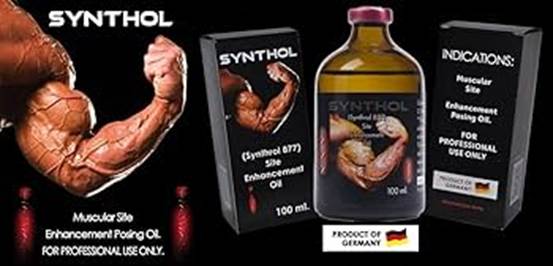
    Synthol injections to enlarge muscles

    What Is Synthol?

    Synthol is not an anabolic steroid, though it is often grouped with performance-enhancing substances in discussions of bodybuilding doping. It was developed in the early 1990s by German gym owner Chris Clark, who originally marketed it under the name “Pump N’ Pose” as a posing oil, a cosmetic product for competitive bodybuilders to apply to the skin. The formulation was designed specifically to be injected directly into muscle tissue.

    The standard composition of synthol is approximately 85% medium-chain triglyceride (MCT) oil, typically caprylic/capric triglycerides derived from coconut or palm oil — combined with roughly 7.5% lidocaine, a local anesthetic, and 7.5% benzyl alcohol, which acts as a preservative and solubilizer. Some formulations sold through underground channels vary these proportions or substitute alternative oils, increasing unpredictability and risk.

    Synthol is classified as a “site enhancement oil” (SEO). It is not approved by any regulatory body, including the U.S. Food and Drug Administration, for injection into human tissue. It is sold in some countries as a “posing oil” to circumvent legal restrictions, with the understanding among buyers that it will be injected.

    Synthol is a mixture of Triglycerides (Fats), oils, and lidocaine.

    Why People Inject It

    The appeal of synthol is straightforward: it creates the appearance of larger muscles almost immediately. When injected into a muscle belly, the oil physically distends the fascial compartments within the muscle, producing visible swelling that mimics hypertrophy. For competitive bodybuilders seeking to fill in a lagging muscle group days before a contest, or for individuals who want a shortcut to an imposing physique, synthol offers a rapid, if deeply deceptive, solution.

    Psychologically, the practice is often rooted in body dysmorphia, a condition in which individuals perceive their bodies as inadequate despite objective evidence to the contrary. The bodybuilding and fitness communities that celebrate extreme muscularity can amplify these perceptions, and social media has broadened the audience for extreme physiques, creating demand and a degree of social validation for dangerous self-modification.

    Some users also report using synthol to correct asymmetries — attempting to balance a bicep or calf that appears smaller than its counterpart. The promise of a targeted, controllable fix is seductive, particularly when the alternative is years of additional training that may never fully resolve the disproportion.

    How It Is Injected

    The injection protocols described in underground bodybuilding communities are elaborate and reflect a troubling pseudo-medical sophistication. Users typically inject synthol into the belly of a target muscle using a syringe with a needle long enough to penetrate the muscular fascia, commonly 23 to 25 gauge needles, one to one and a half inches in length.

    Volumes injected vary, but protocols described online often begin with 1 mL per injection site and escalate over weeks to 3 mL or more per site, with multiple injection points per muscle to attempt an even distribution of oil. For biceps, for example, injections may be made at several depths along the muscle belly. The cumulative volume introduced into a single muscle over a “cycle” can reach 10 to 30 mL or more.

    The lidocaine component serves a practical purpose: it blunts the pain of injection, making higher volumes more tolerable and allowing users to continue the practice despite warning signs their bodies are producing. This analgesic effect is itself dangerous, as pain is a critical physiological signal that injection is causing tissue damage.

    These injections are almost universally self-administered, without sterile technique, without imaging guidance, and without any formal medical knowledge of local anatomy. The proximity of major blood vessels, nerves, and joint structures to common injection sites makes blind needle placement particularly hazardous.

    Medical Complications: What Synthol Actually Does

    Embolism

    Perhaps the most immediately life-threatening complication of synthol injection is oil embolism, the entry of oil droplets into the bloodstream. When a needle inadvertently punctures a vein or artery, or when oil migrates through damaged tissue into the vasculature, droplets can be carried through the circulatory system to the lungs, heart, or brain.

    Pulmonary oil embolism, the obstruction of pulmonary vessels by oil, presents with acute respiratory distress, pleuritic chest pain, hypoxia, and can progress to cardiovascular collapse and death. The condition is notoriously difficult to diagnose quickly because imaging findings may be subtle, and the treating team may not be aware that the patient has been injecting oil into their muscles. Case reports in the medical literature document patients who presented to emergency departments in respiratory failure with no prior cardiac history, only for autopsy or CT imaging to reveal extensive oil deposition in the pulmonary vasculature.

    Stroke resulting from cerebral oil embolism has also been documented in synthol users, with oil droplets traveling through cardiac shunts or other pathways to obstruct cerebral vasculature. These events can result in permanent neurological deficits or death.

    Infections and Abscesses

    Non-sterile injection technique in an oil-rich tissue environment creates ideal conditions for bacterial infection. The lipid content of synthol acts as an excellent growth medium for bacteria, and the disrupted tissue architecture impairs the normal immune surveillance that would otherwise contain an early infection.

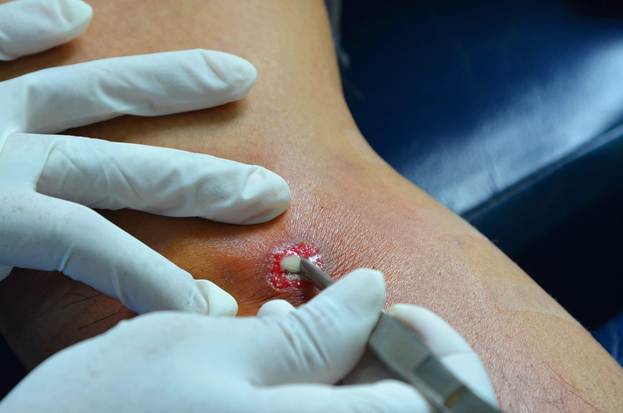
    Abscesses, loculated collections of pus within the muscle, are among the most commonly reported complications. They can grow to enormous size within the confines of the muscular fascia before becoming clinically apparent, in part because the overlying skin may appear relatively normal and because the lidocaine component of synthol suppresses pain. When these abscesses are finally recognized, they frequently require surgical incision and drainage, debridement of necrotic tissue, and prolonged courses of intravenous antibiotics.

    Abscess Drainage

    Cases of necrotizing fasciitis, a rapidly spreading, life-threatening soft tissue infection, have been reported following synthol injections. In this condition, bacterial infection spreads along fascial planes, destroying tissue faster than the immune system can respond. Treatment requires emergency surgery with aggressive removal of all infected tissue; mortality rates are high even with optimal care.

    Necrotizing Fasciitis

    Muscle Fibrosis

    Even in the absence of dramatic acute complications, the chronic introduction of oil into muscle tissue causes progressive, irreversible fibrosis. The body recognizes foreign oil as an irritant and mounts an inflammatory response — but because the oil is not efficiently metabolized or cleared, this response becomes chronic.

    White fibers signifying Muscle fibrosis seen via CT Scan

    White fibers signifying Muscle fibrosis seen via CT Scan

    Over time, the inflammatory infiltrate gives way to fibroblast activation and collagen deposition. The functional muscle tissue is gradually replaced by scar tissue, dense, inelastic fibrous material that neither contracts nor generates force. The muscle may appear visually larger due to the oil and fibrotic deposits, but it becomes progressively weaker and less functional. This process is largely irreversible; unlike true hypertrophy, fibrosis cannot be trained away.

    Effects on Muscle Biology at the Cellular Level

    To understand what synthol does to muscle tissue, it is important to appreciate the architecture of healthy skeletal muscle. Muscle fibers, individual multinucleated cells called myocytes, are organized into bundles called fascicles, each wrapped in connective tissue. The functional units within each fiber are sarcomeres, repeating structures of actin and myosin filaments whose synchronized contraction generates force. The entire structure is densely vascularized and innervated.

    When oil is injected into this environment, it initially occupies the spaces between fascicles and between individual muscle fibers. The oil is not water-soluble, so it cannot be absorbed into the aqueous interstitial fluid or cleared through normal lymphatic drainage efficiently. Instead, it persists as discrete oil droplets and larger oil lakes within the tissue.

    At the cellular level, the body’s response begins with macrophage infiltration. Macrophages — the immune system’s primary tissue-resident scavengers — attempt to phagocytose the oil droplets, becoming lipid-laden “foam cells” identical in appearance to those seen in atherosclerotic plaques. These foam cells aggregate into granulomas — organized clusters of immune cells attempting to wall off material they cannot destroy.

    The sustained presence of oil and the chronic inflammatory response it provokes disrupts satellite cell function. Satellite cells — the stem cell population responsible for muscle repair and growth — reside in a niche between the muscle fiber membrane and the basement membrane. Chronic inflammation alters the signaling environment these cells depend on for activation and differentiation, impairing the muscle’s normal capacity for repair and adaptation.

    Transforming growth factor-beta (TGF-β), a cytokine released in large quantities during chronic inflammation, drives fibroblast activation and collagen synthesis — the cellular basis of fibrosis. As collagen accumulates within the endomysium and perimysium (the connective tissue layers surrounding individual fibers and fascicles), it mechanically compresses viable muscle fibers, impairing their blood supply and innervation. Myocytes deprived of adequate oxygen and neurotrophic signaling undergo atrophy and eventually apoptotic or necrotic cell death.

    Histological examination of biopsies from synthol-injected muscle, described in several case reports, reveals a striking and sobering picture: what was once organized, functional muscle tissue has been transformed into an admixture of oil vacuoles, inflammatory cells, fibrous tissue, and remnant muscle fibers in varying states of degeneration. The tissue resembles a pathological specimen from chronic inflammatory myopathy more than it does healthy skeletal muscle.

    Microscopy of tissue sections of muscle injected with Synthol causing chronic pain

    Microscopy of tissue sections of muscle injected with Synthol causing chronic pain

    When Surgery — and Amputation — Becomes Necessary

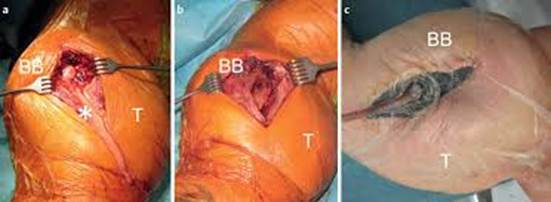
    The surgical consequences of synthol use exist on a spectrum from drainage procedures to limb amputation, and the path from one end to the other can be disturbingly short.

    In milder cases, the accumulation of oil and abscess formation requires surgical incision and drainage. Surgeons describe encountering large volumes of liquefied oil and pus, sometimes hundreds of milliliters, within muscle compartments during these procedures. Multiple surgeries are often required, and the wound must be managed carefully to prevent re-infection of the compromised tissue.

    Synthol Abscess drainage.  Infection.

    Abscess drainage

    In more severe cases, the combination of infection, vascular compromise, and tissue necrosis may render a limb unsalvageable. When blood supply to a limb is critically compromised — whether through direct vascular injury, compartment syndrome, or widespread tissue destruction — amputation may become the only option to save the patient’s life. Several case reports in the medical literature document patients who underwent arm or leg amputation as a direct consequence of complications arising from site enhancement oil injections.

    Prelude to Amputation.  Synthol.

    Prelude to amputation

    Even in cases that do not progress to amputation, the functional outcomes of surgery are often poor. Removal of oil-infiltrated, fibrotic tissue inevitably removes functional muscle as well, leaving patients with significant weakness and deformity. The cosmetic result, often the original motivation, is typically worse after surgery than it was before synthol was ever injected.

    Necrotic Muscle from Synthol injections

     grey necrotic muscle developing after Synthol injection

    Notable Cases and Fatalities

    The medical literature on synthol-related deaths is limited, in part because cause of death is not always linked to synthol use in official records, and because many users do not disclose their injection practices to treating physicians. Nonetheless, documented cases paint a clear picture of a lethal potential.

    Case reports published in journals including the Journal of Forensic Sciences and various emergency medicine publications describe deaths attributed to pulmonary oil embolism in individuals found post-mortem to have injected site enhancement oils. In one autopsy series, oil droplets were identified throughout the pulmonary microvasculature in a young male who died suddenly; interview with family members subsequently revealed a pattern of intramuscular oil injection.

    Perhaps the most widely publicized cases involve Brazilian bodybuilder Arlindo de Souza, known in media coverage as the “Mountain Man,” who injected synthol and other substances into his arms, developing biceps reportedly measuring 29 inches in circumference. While he survived initially, physicians who examined him warned that the oil had severely compromised the vascularity and function of his arm muscles, and that he faced a high risk of amputation.  He died at age 55.

    Arlindo de Souza

    Arlindo de Souza

    Brazilian bodybuilder Romario Dos Santos Alves became another prominent cautionary case after years of synthol and alcohol injection into his arms left him with massively deformed limbs, severe chronic pain, and arms described by treating surgeons as having the consistency of rock — the oil had calcified within the fibrotic tissue. He narrowly avoided bilateral arm amputation; surgeons were only able to prevent it by performing extensive debridement procedures.

    Romario dos Santos Alves

    Romario dos Santos Alves

    Beyond individual cases that reached media attention, emergency departments in countries where bodybuilding subcultures are prominent report a steady stream of patients presenting with synthol-related complications — infections, abscesses, respiratory distress — many of whom initially deny having injected anything. The true burden of synthol-related morbidity and mortality is almost certainly underreported.

    A Substance Without a Safe Use

    Unlike anabolic steroids, which are pharmaceutical compounds with genuine medical applications and a body of research quantifying their risks, synthol has no legitimate therapeutic use. It is a foreign oil injected into one of the body’s most metabolically active tissues, without any mechanism for safe elimination, and with a well-documented capacity to cause permanent damage, serious infection, life-threatening embolism, and death.

    The appearance synthol creates is not muscle. It is oil trapped in a tissue it is destroying. The muscle that users are trying to enlarge becomes progressively less capable of the function it evolved to perform, movement, force generation, and the physical expression of genuine fitness.

    For those in medical practice, awareness of synthol and site enhancement oils is clinically important. Patients presenting with unusual soft tissue swelling, recurrent abscesses, unexplained respiratory distress, or stroke in young men with extreme physiques should prompt consideration of intramuscular oil injection in the differential. Establishing this history requires a non-judgmental approach; many patients are reluctant to disclose the practice due to shame or fear of legal consequences.

    For those considering synthol, or those who know someone who is: the consequences described in this article are not hypothetical worst cases. They are documented outcomes that occur with regularity. There is no safe dose, no safe protocol, and no version of this practice that does not carry the risk of permanent harm or death.This article is intended for educational and informational purposes. If you or someone you know is struggling with body image, disordered exercise behavior, or the use of performance-enhancing substances, please seek support from a qualified medical or mental hhealth professional.

  • The Tragic Cost of the Physique

    Notable Bodybuilder Deaths (2021–2025): Causes, Circumstances, and the PED Question

    Published February 2026  •  Health & Fitness Investigation

    In the past five years, the bodybuilding world has been shaken by a sobering wave of deaths — many of them sudden, many of them involving individuals who were, by outward appearances, at the peak of physical development. Several of these men and women had amassed millions of followers on Instagram, YouTube, and TikTok, sharing workout routines, nutrition advice, and aspirational physiques to audiences that included countless young people. Their deaths have reignited a long-standing and deeply uncomfortable conversation: what price, in human life, does elite bodybuilding exact?

    This article examines five of the most prominent cases from 2021–2024. It does not seek to condemn or speculate recklessly. Rather, it presents the known facts, the medical context, and the broader patterns that researchers, physicians, and the bodybuilding community itself have been grappling with for years. The use of anabolic steroids and other performance-enhancing drugs (PEDs) is a documented reality at the professional level of this sport. Whether these substances contributed to individual deaths is often difficult to prove — but impossible to ignore.

    CASE 01  —  Shawn Rhoden

    Shawn Rhoden

    Former Mr. Olympia Champion  ·  “Flexatron”

    Age at Death 46Date of Death Nov. 6, 2021Cause of Death Heart AttackSocial Media Millions of followers
    Shawn Rhoden

    Shawn Rhoden

    Shawn Rhoden was not merely a successful competitive bodybuilder — he was one of the sport’s all-time greats. In 2018, at the age of 43, he dethroned seven-time Mr. Olympia champion Phil Heath to claim bodybuilding’s most prestigious title, becoming the oldest person ever to do so. His nickname “Flexatron” spoke to his exceptional muscle conditioning and posing artistry, and he was widely admired for representing a more aesthetic, shape-focused physique in an era increasingly dominated by raw mass. He maintained an active social media presence with millions of followers across platforms and was the subject of a documentary chronicling his historic Olympia victory.

    Rhoden’s death on November 6, 2021 sent immediate shockwaves through the fitness world. Reports confirmed he suffered a fatal heart attack. He was 46. His passing was one of several high-profile bodybuilder deaths within a short period, following that of fellow pro George Peterson just weeks earlier.

    The circumstances of Rhoden’s final years were complicated. After winning the Olympia in 2018, he was banned from competition amid serious sexual assault allegations. While many colleagues defended him as a person, the legal cloud and the forced absence from competition reportedly took a severe psychological and physical toll. His friend and fellow competitor Sergio Oliva Jr. addressed Rhoden’s death directly, stating that Rhoden was not actively competing or taking the heavy substance loads associated with competition prep at the time of his death. Oliva argued it was the sport itself,  the stress, the heartbreak of being unable to compete — that had broken him.

    Still, years of documented PED use by elite bodybuilders, a near-universal reality at that level of competition, are understood by cardiologists to carry compounding cardiovascular risks that do not disappear when drug use stops. Anabolic steroids are associated with left ventricular hypertrophy, arterial stiffness, and adverse lipid profiles, all of which significantly elevate long-term heart attack risk even in former users.

     PED CONNECTION — ASSESSMENT Likely indirect and cumulative. Rhoden was not believed to be in active heavy preparation at the time of death. However, decades of professional-level bodybuilding — with the associated PED use that entails — almost certainly contributed to underlying cardiovascular deterioration. No autopsy findings definitively linking steroids to his death were made public.

    CASE 02  —  Cedric McMillan

    Cedric McMillan

    IFBB Pro & 2017 Arnold Classic Champion  ·  “The One”

    Age at Death 44Date of Death Apr. 12, 2022Cause of Death Heart AttackSocial Media Hundreds of thousands
    Cedric McMillan

    Cedrick McMillan

    Cedric McMillan was a figure who transcended competitive bodybuilding. Known for his imposing 6’1” frame, his charismatic personality, and his devoted service as a U.S. Army instructor at Fort Jackson, South Carolina, McMillan was beloved far beyond the confines of the competition stage. He was the 2017 Arnold Classic champion — a win that earned him a famous embrace from his childhood idol Arnold Schwarzenegger — and had been praised by Schwarzenegger himself as an example of what modern bodybuilders should aspire to look like. His social media presence was substantial, and his documentary appearances and online interviews had earned him a following extending well beyond hardcore bodybuilding circles.

    What made McMillan’s death particularly striking was the very public struggle that preceded it. In late 2021, he openly discussed a near-death experience stemming from COVID-19 complications. He had contracted the virus in 2020 and subsequently developed severe pneumonia. During hospitalization, physicians discovered his heart was functioning at only ten percent of normal capacity. He was placed on life support with a breathing machine. He described the experience in candid detail in interviews, saying he had ignored doctors’ advice and returned to training while still seriously ill, driven by his love of competition.

    McMillan had a documented history of high blood pressure and high cholesterol — conditions prevalent in bodybuilding and exacerbated by long-term anabolic steroid use. He openly acknowledged his use of performance-enhancing substances during his career. He died on April 12, 2022, while on a treadmill. He was 44 years old and is survived by his wife and four children.

    His case illustrates a grim convergence of risk factors: years of cardiovascular strain from extreme mass building, documented prior cardiac compromise from illness, high blood pressure, high cholesterol, and the cumulative effects of long-term PED use. McMillan himself had warned others publicly: “Give yourself to your family and the people who love you while you still have a chance.” The words were prophetic.

     PED CONNECTION — ASSESSMENT Substantial circumstantial evidence. McMillan admitted steroid use, had documented cardiovascular conditions consistent with long-term PED use (hypertension, elevated cholesterol, left ventricular dysfunction), suffered a COVID-related cardiac event, and then died of a heart attack. Steroids cannot be ruled out as a contributing factor in his underlying heart disease, even if the immediate trigger was exercise-induced cardiac arrest.

    CASE 03  —  Jo Lindner

    Jo Lindner

    German Bodybuilder & Social Media Star  ·  “Joesthetics”

    Age at Death 30Date of Death Jun. 30, 2023Cause of Death AneurysmSocial Media 8+ million followers
    Jo Lindner

    Jo Lindner

    Johannes “Jo” Lindner — known to his enormous online following as “Joesthetics” — was perhaps the most globally followed bodybuilder of his generation at the time of his death. Born in Germany on January 14, 1993, Lindner had accumulated over eight million followers across Instagram and YouTube through a combination of elite physique presentation, genuine charisma, and an unusual trademark: his ability to ripple his pectoral muscles in a wave-like motion, which he dubbed “alien gains.” Viral videos of this ability turned him into an international internet phenomenon, and his fitness content reached well beyond the bodybuilding community into mainstream pop culture.

    On June 30, 2023, Jo Lindner died suddenly at his home in Bangkok, Thailand. He was 30 years old. His girlfriend and close friends confirmed his passing. He had suffered an aneurysm. The only prior warning sign, as reported by those around him, was a headache he had mentioned in the days before his death. He had been planning to film content that very afternoon.

    An aneurysm — the rupture of a weakened blood vessel wall — at age 30 in an otherwise apparently healthy individual is extraordinarily rare in the general population. In bodybuilders who have used anabolic steroids and growth hormone, however, vascular abnormalities are a well-documented medical concern. Steroids are associated with elevated blood pressure, arterial wall thickening, and changes in vascular compliance — all of which increase the risk of aneurysm formation and rupture. Lindner had spoken openly about PED use in various interviews, though he was candid about both the appeal and the risks of the bodybuilding lifestyle.

    His death struck the online fitness community with particular force because of the sheer scale of his reach. Millions of young men and women who aspired to his physique were suddenly confronted with the reality that the body they admired had given out at thirty. Tributes poured in from across the globe.

     PED CONNECTION — ASSESSMENT Significant concern. An aneurysm at age 30 in a professional bodybuilder is medically unusual and raises legitimate questions about vascular health compromised by long-term steroid and PED use. No formal autopsy report publicly linking substances to the aneurysm was released. The possibility cannot be dismissed, however, given the well-established vascular risks of anabolic androgenic steroid (AAS) use and growth hormone.

    CASE 04  —  Neil Currey

    Neil Currey

    IFBB Pro & Mr. Olympia Qualifier  ·  New York Pro Champion

    Age at Death 34Date of Death September 2023Cause of Death Drug ToxicitySocial Media Active competitive following
    Neil Currey

    Neil Currey

    Neil Currey’s story is one of the most complex and heartbreaking in recent bodybuilding history. A British bodybuilder who entered the sport after leaving the army, Currey had worked his way through the competitive ranks with dedication and consistency. His career milestone came when he won the New York Pro and qualified for the Mr. Olympia, a lifelong dream. Those who knew him described him as cheerful, motivated, and passionate. Former coach Milos Sarcev — a bodybuilding legend — described the joy Currey had shown upon qualifying for the Olympia stage.

    Currey was found dead in his apartment in Sheffield, England, in September 2023. He was 34. The inquest that followed produced findings that shocked the bodybuilding world: Sheffield’s Medico-Legal Centre determined that Currey died from a lethal combination of cocaine and another controlled substance. His parents, in a deeply personal statement following the inquest, disclosed that their son had used anabolic steroids throughout his competitive career and that they believed the long-term psychological effects of PED use had played a significant role in his deterioration. They stated that the drugs had left him “very isolated and depressed.”

    This is a dimension of PED use that receives far less attention than the cardiovascular risks: the documented psychological consequences. Research has established that anabolic steroids can cause mood dysregulation, aggression, depression, and dependency. Whether the substance abuse that ultimately killed Currey was a product of the same psychological unraveling connected to steroid use — or a separate, parallel struggle — cannot be determined with certainty. But the pattern is one that medical researchers have increasingly flagged as a serious concern.

     PED CONNECTION — ASSESSMENT Documented and acknowledged by his own family. While the immediate cause of death was toxicity from non-anabolic substances, Currey’s parents directly connected his psychological deterioration to long-term steroid use. The mental health dimension of PED use — depression, isolation, and susceptibility to substance abuse — is an underreported consequence that this case places in stark relief.

    CASE 05  —  Jaxon Tippet

    Jaxon Tippet

    Australian Fitness Influencer & Anti-Steroid Advocate

    Age at Death 30Date of Death November 2024Cause of Death Heart Attack (reported)Social Media ~250,000 followers

    Perhaps no case in recent memory is more ironic  or more instructive  than that of Jaxon Tippet. The 30-year-old Australian fitness influencer had built his following of nearly 250,000 across Instagram and TikTok not merely by showcasing his physique, but by speaking openly and candidly about his past addiction to anabolic steroids and the damage they had done to his body. He had used steroids for five years and had stopped. He spoke publicly about his recovery, describing how his health had deteriorated during use: the yellowing of his skin, chronic fatigue, and other serious symptoms. His stated mission was to warn others.

    In November 2024, Tippet was found dead in a hotel room in Turkey. He was traveling at the time. A fellow fitness creator reported that Tippet had suffered a heart attack. He was 30 years old. No official determination definitively linking his past steroid use to his death was made public in the immediate reporting.

    Tippet’s case carries a particular weight: here was a man who had experienced the harm of steroids firsthand, quit, dedicated his platform to warning others, and still died at thirty possibly from the long-tail damage those substances had caused years earlier. Medical research supports the concern that cardiovascular damage from anabolic steroid use can persist long after cessation, including left ventricular dysfunction and arterial changes that increase heart attack risk in younger former users.

     PED CONNECTION — ASSESSMENT Unknown but plausible. Tippet had stopped steroid use years before his death. However, his own documented health deterioration during use — and the established medical evidence that vascular and cardiac damage from AAS can be long-lasting or permanent — make prior steroid use a legitimate consideration in any assessment of his death, even absent a confirmed causal link.

    The Bigger Picture: A Pattern That Cannot Be Ignored

    The deaths described above are not isolated incidents. According to data compiled by medical researchers and reported by the National Library of Medicine, more than two dozen professional bodybuilders died unexpectedly in 2021, with similarly elevated mortality rates continuing into 2022 and 2023. The sport has lost dozens of relatively young athletes — many in their thirties and forties — to cardiac events, aneurysms, and other conditions that are exceptionally rare in the general population at those ages.

     “The deaths received much attention in the bodybuilding world but relatively little in the medical community.” — National Library of Medicine

    What the Medical Research Tells Us

    Anabolic-androgenic steroids (AAS) are synthetic derivatives of testosterone. Their cardiovascular consequences are well-documented in peer-reviewed literature. Long-term use is associated with left ventricular hypertrophy (the thickening of the heart’s main pumping chamber), reduced diastolic function, accelerated atherosclerosis, increased LDL cholesterol, decreased HDL cholesterol, elevated blood pressure, and changes in the heart’s electrical conduction system that can trigger arrhythmias. Each of these factors independently elevates heart attack and stroke risk. Together, they create a compounding hazard that can remain in place years after drug use has ended.

    Human growth hormone (HGH), insulin, diuretics, and other PEDs commonly used in competitive bodybuilding carry their own independent risks — including organomegaly (enlargement of internal organs), renal stress, and electrolyte imbalances that can precipitate fatal cardiac arrhythmias during competition prep, when bodybuilders are often severely dehydrated.

    The Social Media Dimension

    The deaths chronicled in this article are not simply tragedies for the individuals and families involved. They carry a broader public health dimension because of the enormous platforms these athletes held. Bodybuilders like Jo Lindner were reaching audiences of millions, predominantly young men, who saw their physiques as aspirational. Research on social media and body image has consistently found that exposure to highly muscular male physiques on platforms like Instagram is associated with increased rates of muscle dysmorphia, disordered eating, and initiation of anabolic steroid use among young male followers.

    The reality, obscured by the polished aesthetics of fitness content, is that many of these physiques are chemically engineered and that the chemicals involved carry risks their users may not fully appreciate until the damage has already been done. When an influencer dies at thirty of a heart attack, millions of followers are confronted with a truth the curated feed had never shown them.

    The Industry’s Structural Problem

    Unlike other professional sports, elite competitive bodybuilding operates largely without rigorous anti-doping enforcement or mandatory athlete health monitoring programs. Testing protocols are inconsistent, the culture of PED use is deeply embedded at the top levels of the sport, and there is no mandatory cardiac screening for competitors. The late Rich Piana — another prominent fitness influencer who died in 2017 — said plainly that if a person wants to become a professional bodybuilder, PED use is essentially unavoidable at the elite level. That statement reflects a structural reality of the sport that no amount of individual responsibility can fully offset.

    A Reckoning Long Overdue

    The deaths of Shawn Rhoden, Cedric McMillan, Jo Lindner, Neil Currey, Jaxon Tippet, and the many others who have not been named here demand more than grief. They demand a serious conversation — in the sport, in the fitness media, in the medical community, and on the social platforms that amplify these athletes’ images — about what elite bodybuilding costs.

    For many of the athletes involved, PED use was not a reckless choice made in ignorance. It was a rational response to the competitive demands of a sport where the use of such substances is effectively prerequisite to success at the highest level. The tragedy is systemic as much as it is individual.

    What is clear is that the human body — no matter how extraordinary — has limits that chemistry cannot indefinitely override. The men and women memorialized in this article built remarkable lives and inspired millions of people. They also paid an extraordinary price. The least their communities can do is look at that price honestly, and refuse to look away.

    Editorial Note This article presents reported facts, documented medical information, and publicly available accounts from family members, friends, and colleagues of the individuals discussed. Where direct causal connections between PED use and cause of death have not been confirmed by official medical or forensic findings, the language reflects that uncertainty. The purpose of this piece is informational. It is not intended to cast definitive blame on individuals or organizations, nor to substitute for medical advice. Anyone experiencing concern about anabolic steroid use or related health issues is encouraged to consult a qualified medical professional.
  • Semax: The Soviet-Born Peptide Rewriting the Rules of Brain Science

    There’s a quietly growing conversation in nootropic and neurological research circles about a short-chain peptide called Semax and for good reason. Originally developed behind the Iron Curtain, Semax has since emerged as one of the more compelling neuropeptides studied for its cognitive and neuroprotective properties. Here’s what the science says.

    Semax is a Nasal-Spray

    Origins: From Soviet Lab to Modern Research

    Semax was developed in the 1980s at the Institute of Molecular Genetics of the Russian Academy of Sciences. Researchers were investigating adrenocorticotropic hormone (ACTH) and its derivatives when they identified a short fragment, ACTH(4–7) , that retained neurological activity without the hormonal side effects of the parent molecule. They then added a C-terminal proline-glycine-proline (Pro-Gly-Pro) sequence to stabilize it and enhance its CNS penetration, and Semax was born.

    Semax peptide Structure

    Semax peptide structure

    The full sequence is Met-Glu-His-Phe-Pro-Gly-Pro. It was approved in Russia in 1995 for clinical use in conditions such as stroke recovery and transient ischemic attacks. It remains in use there today, typically administered intranasally.

    What Is Semax Used For?

    Clinically, Semax has been used in Russia and parts of Eastern Europe for stroke rehabilitation, cognitive impairment, and optic nerve disorders. In research and off-label contexts, it has attracted interest for memory enhancement, attention, anxiety reduction, and neuroprotection after brain injury.  Semax [9] has undergone extensive study in Russia and is on the Russian List of Vital & Essential Drugs approved by the Russian Federation government on 7 December 2011. Medical uses for Semax include treatment of stroke, transient ischemic attack, memory and cognitive disorders, peptic ulcers, optic nerve disease, and to boost the immune system.

    Its intranasal delivery route is a notable feature; it allows the peptide to bypass the blood-brain barrier through olfactory pathways, delivering it more directly to the central nervous system than an oral or peripheral route would allow.

    Mechanism: Receptor Binding and Downstream Cascades

    Semax is not a simple receptor agonist. Its mechanism is multifaceted, but the most well-characterized pathway involves the upregulation of brain-derived neurotrophic factor (BDNF) and its primary receptor, TrkB (tropomyosin receptor kinase B).

    When Semax is administered, it stimulates BDNF gene expression in the hippocampus and frontal cortex, regions critical for memory consolidation and executive function. BDNF binding to TrkB activates several downstream signaling cascades, most notably:

    • MAPK/ERK pathway — involved in synaptic plasticity and long-term memory formation
    • PI3K/Akt pathway — promotes neuronal survival and inhibits apoptosis
    • PLCγ pathway — modulates intracellular calcium and synaptic transmission

    Additionally, Semax influences the dopaminergic and serotonergic systems and has demonstrated anti-inflammatory effects by modulating gene expression in immune-related neural pathways.  Accordingly, it has been found to produce antidepressant-like and anxiolytic-like effects, attenuate the behavioral effects of exposure to chronic stress, and potentiate the locomotor activity produced by D-amphetamine. As such, it has been suggested that Semax may be effective in the treatment of depression.

    Though the exact mechanism of action of Semax is unclear, there is evidence that it may act through melanocortin receptors. Specifically, there is a report of Semax competitively antagonizing the action of α-melanocyte-stimulating hormone (α-MSH) at the MC4 and MC5 receptors in both in vitro and in vivo experimental conditions, indicating that it may act as an antagonist or partial agonist of these receptors. (&alpha-MSH acts as a full agonist of all five melanocortin receptors). Semax did not antagonize α-MSH at the MC3 receptor, though this receptor could still be a target of the drug. As for the MC1 and MC2 receptors, they were not assayed.

    Semaxzbinds MelanoCortin receptor MC 4
    Semaxzbinds MelanoCortin receptor MC 5

    What the Studies Say

    Human and animal research on Semax is primarily Russian in origin, which limits widespread peer review access, but several meaningful findings have emerged.

    A 2001 study published in the Bulletin of Experimental Biology and Medicine demonstrated that Semax significantly improved cognitive outcomes in patients recovering from ischemic stroke. Patients showed improved attention, memory, and daily functioning versus controls.

    Animal studies have shown Semax protects neurons from hypoxic and excitotoxic damage, reduces infarct size in stroke models, and accelerates learning in maze-based behavioral tasks. A 2011 study in rats showed Semax administration upregulated BDNF mRNA in the hippocampus within hours of dosing, providing a plausible molecular basis for its cognitive effects.

    More recent transcriptomic analyses, notably work by Medvedeva et al., mapped over 800 gene expression changes in rat brain tissue following Semax administration, many related to immune regulation, neurogenesis, and synaptic function. This suggests the peptide’s effects are broad and system-wide rather than narrowly targeted.

    That said, large-scale randomized controlled trials in Western research populations remain sparse. The existing evidence is promising but preliminary by current standards.

    Contraindications and Adverse Events

    Semax has a generally favorable safety profile in published literature. Reported adverse events are mild and typically include nasal irritation at the site of intranasal administration, occasional mild anxiety or irritability, and in some cases, temporary fatigue.

    More significant cautions include its use in individuals with a history of seizures, as pro-BDNF activity has theoretical potential to lower seizure threshold in susceptible individuals. It should also be used with caution in those with psychiatric conditions, given its influence on dopaminergic signaling.

    Pregnant and breastfeeding individuals should avoid Semax due to absence of safety data. There are no established drug interaction profiles in human literature, which is itself a limitation worth noting.

    The Bottom Line

    Semax is a genuinely interesting peptide with a plausible mechanism, supportive animal data, and encouraging early human studies, particularly in neurological rehabilitation. It warrants serious scientific attention and larger, independently replicated trials. Until that evidence matures, it sits in a familiar place in modern neuroscience: promising, but not yet fully proven.

    This post is for educational purposes only and does not constitute medical advice. Consult a qualified healthcare provider before considering any peptide therapy.

  • Cerebrolysin: The Neuropeptide That’s Turning Heads in the Biohacking World

    Cerebrolysin: The Neuropeptide That’s Turning Heads in the Biohacking World

    If you’ve been deep-diving into the nootropics space, you’ve probably stumbled across Cerebrolysin; a compound that reads more like something from a sci-fi lab than a conventional supplement. But this isn’t fringe science. Cerebrolysin has been in clinical use for over 50 years, and the biohacking community is only now catching up to what European and Asian neurologists have quietly known for decades.

    A Brief History: Where Did It Come From?

    Cerebrolysin was developed in the 1950s by scientists at the EBEWE Pharma group in Austria. Researchers were investigating the potential of brain-derived peptides to support neurological recovery, inspired by the observation that naturally occurring growth factors in the brain could be harnessed therapeutically. The result was a highly purified extract derived from porcine (pig) brain tissue, standardized to deliver a consistent cocktail of bioactive neuropeptides and amino acids. By the 1970s, it had entered clinical use across Eastern Europe and Asia, becoming a staple in neurological rehabilitation medicine.

    What Is It, Structurally Speaking?

    Cerebrolysin isn’t a single molecule; it’s a complex mixture. Roughly 25% of its composition consists of low-molecular-weight neuropeptides (under 10,000 daltons), and the remaining 75% is free amino acids. The peptide fraction is where the magic happens. The fraction is an experimental mixture of enzymatically-treated peptides derived from pig brain whose constituents can include brain-derived neurotrophic factor (BDNF), glial cell line-derived neurotrophic factor (GDNF), nerve growth factor (NGF), and ciliary neurotrophic factor (CNTF). These peptides are small enough to cross the blood-brain barrier, which is a feat that many larger biologics simply cannot accomplish. The specific peptides mimic the action of endogenous neurotrophic factors — proteins your brain naturally produces to protect and grow neurons.

    Mechanism of Action: What Happens Inside the Cell?

    This is where Cerebrolysin gets genuinely fascinating. Its peptides interact with receptors for nerve growth factor (NGF) and brain-derived neurotrophic factor (BDNF), primarily the TrkA and TrkB receptor tyrosine kinases found on neuronal membranes. When these receptors are activated, a cascade begins:

    The MAPK/ERK pathway is engaged, promoting neuronal survival and synaptic plasticity. The PI3K/Akt pathway fires up, suppressing apoptosis (programmed cell death) and supporting cellular metabolism. Downstream, you see increases in CREB phosphorylation — a transcription factor that essentially tells the nucleus to dial up genes responsible for long-term memory consolidation, dendritic growth, and neuroprotection.

    At the cellular level, this translates to reduced oxidative stress, lower levels of excitotoxic damage (the kind caused by excess glutamate), improved mitochondrial efficiency, and enhanced synaptic density. In simple terms, neurons become more resilient, better connected, and longer-lived.

    Clinical Indications

    In countries where it’s approved, Cerebrolysin is used to treat Alzheimer’s disease, vascular dementia, traumatic brain injury (TBI), and stroke recovery. Clinical trials — including a notable series published in peer-reviewed journals — have shown improvements in cognitive scores, functional independence, and neurological recovery in stroke patients when Cerebrolysin is administered in the acute phase. It’s particularly well-regarded in rehabilitation medicine throughout Russia, China, and Central Europe.

    FDA Approval and Legal Status in the US

    Here’s the reality check: Cerebrolysin is not FDA-approved in the United States. It remains classified as an unapproved drug for human use. That said, it occupies a legal gray zone — it’s not a scheduled substance, and some individuals import it from overseas pharmacies (primarily Austrian or Chinese sources) for personal use. Yes, you can find it online. But “available online” and “legally straightforward” are not the same thing. Quality control, authenticity, and importation risks are all real concerns. Anyone considering this route should do thorough research and ideally consult a knowledgeable physician.

    Who Is the Best Candidate?

    Cerebrolysin isn’t for the casual nootropics experimenter looking for a study-session edge. The ideal candidates are individuals dealing with neurological stress or injury — those recovering from TBI, early-stage cognitive decline, post-COVID neurological symptoms, or age-related memory concerns. In the longevity context, it’s increasingly discussed as a neuroprotective agent for middle-aged and older adults looking to preserve cognitive capital.

    Stacking with Other Peptides

    Cerebrolysin is frequently stacked with Semax (a synthetic ACTH analog with its own BDNF-boosting properties) and Selank (an anxiolytic peptide that modulates IL-6 and serotonin). Some practitioners also combine it with BPC-157 for its systemic anti-inflammatory and angiogenic effects, theorizing synergistic neuroprotection. These stacks are entirely experimental — but that’s the frontier biohackers have always inhabited.

    The Bottom Line

    Cerebrolysin is one of those rare compounds that bridges legitimate clinical science and the cutting edge of cognitive optimization. It’s not hype — it’s decades of neurological research bottled in a vial. But it demands respect: proper dosing, sourcing diligence, and ideally, medical supervision. For the serious biohacker or longevity-focused individual, it’s absolutely worth understanding deeply.

    Always consult a qualified healthcare provider before beginning any peptide protocol.

  • MYOSTATIN INHIBITORS

    The Next Frontier in Muscle Science

    A deep dive into the drugs that could change bodybuilding — and healthcare — forever

    Imagine losing 25 pounds of pure fat, not muscle, just fat, in six months. No steroids. No hormonal suppression. No post-cycle therapy. No worrying about your testosterone levels crashing through the floor. Sound too good to be true?

    That’s not a fantasy scenario. It’s what’s happening in real human clinical trials right now. A revolutionary class of drugs called myostatin inhibitors, specifically, a category of precision-engineered proteins known as monoclonal antibodies, is quietly rewriting the rules of body recomposition. And if the science holds up, these compounds could fundamentally change how we think about muscle growth, fat loss, and even the future of performance enhancement.

    In this deep dive, we’re going to cover everything you need to know: what myostatin is and why it matters, how monoclonal antibodies work, the three most important drugs being researched right now, what the clinical trial data actually says, and what all of this means for both public health and the world of physique sports.

    Buckle up.

    Part 1: A Brief History of Physique-Altering Drugs

    To understand why myostatin inhibitors are so exciting, you need a baseline understanding of what came before them. Broadly speaking, there have been three major categories of drugs used for muscle building and physique enhancement up until this point: steroids, SARMs, and peptides. Let’s do a quick lap.

    Anabolic Steroids: The OG — And the Problem

    Humans have been trying to get more jacked since ancient civilization. But the modern pharmacological era of muscle building really kicked off when testosterone was first isolated in the 1930s. By the late 1950s and into the 1960s, anabolic androgenic steroids (AAS) had infiltrated bodybuilding, and they’ve been there ever since.

    Chemically speaking, anabolic steroids are small molecules built around a four-carbon ring structure. They work primarily by binding to androgen receptors inside muscle cells, triggering a cascade of genetic activity that increases protein synthesis and muscle growth. Think of the androgen receptor like a lock, and testosterone or its synthetic derivatives as keys — when the right key slides in, the door to muscle growth swings open.

    The problem? Steroids are incredibly blunt instruments. They don’t just activate androgen receptors in your muscles — they activate them everywhere: your heart, your liver, your brain, your skin, your hair follicles, your testicles. The list of potential side effects is long and ugly: cardiovascular damage, liver toxicity, psychological changes (“roid rage” is real), acne, hair loss, testicular atrophy, and suppression of natural testosterone production, which means fertility issues. Anabolic steroids work, but they are, in the words of one knowledgeable observer, “ancient and clumsy compounds.”

    The reason they’ve stuck around isn’t because they’re ideal and it’s because big pharma hasn’t had a strong financial reason to invest in something better. Until now.

    SARMs: A Great Idea That Didn’t Pan Out

    SARMs (Selective Androgen Receptor Modulators) were supposed to be the next generation. The logic was elegant: if steroids cause side effects because they activate androgen receptors indiscriminately, what if we developed molecules that only activated those receptors in muscle tissue? You’d get the anabolic benefits without the systemic baggage.

    Great concept. Disappointing execution.

    Despite years of research and enormous investor optimism, not a single SARM has been approved by the FDA. Why? Because the “selective” part turned out to be extremely difficult to engineer in practice. Most SARMs still suppress natural testosterone production, still carry cardiovascular and hepatotoxicity risks, and generally just aren’t significantly better than the steroids they were designed to replace. They’re watered-down steroids with a modern marketing rebrand. The pharmaceutical industry’s lack of commercial enthusiasm for them speaks volumes.

    Peptides: Where Things Got Interesting

    Peptides are protein fragments, chains of amino acids, that interact with specific receptors in the body. They’re more complex molecules than steroids or SARMs, but they can be engineered to be remarkably precise.

    The history of therapeutic peptides is more impressive than most people realize. Insulin, the hormone that regulates blood sugar, is a peptide, first isolated in 1921 and mass-produced by Eli Lilly just two years later. Human growth hormone (HGH) is also a peptide, first harvested from cadavers in the 1950s (which occasionally resulted in patients contracting Creutzfeldt-Jakob disease, the human equivalent of mad cow disease — a compelling argument for lab-synthesized alternatives). Once recombinant, lab-made HGH became available in 1985, it spread rapidly through the bodybuilding world, contributing to the extreme physiques of the late 1980s and early 1990s.

    The most recent peptide revolution, of course, is GLP-1 receptor agonists: semaglutide (Ozempic/Wegovy), tirzepatide (Mounjaro/Zepbound), and the newer retatrutide. These drugs work by mimicking a gut hormone called glucagon-like peptide-1, which increases feelings of fullness and reduces appetite. The result? Significant, consistent weight loss in clinical trials.

    But GLP-1 drugs come with a significant caveat that has become a major topic of discussion in both medical and fitness communities.

    The GLP-1 Problem: You’re Losing the Wrong Weight

    GLP-1 agonists are remarkable at reducing caloric intake, and the scale numbers they produce are genuinely impressive. But here’s the inconvenient truth: a substantial portion of the weight lost on these drugs, sometimes 35 to 40%,isn’t fat. It’s lean muscle mass.

    This matters far more than most people realize. Muscle isn’t just cosmetically important. It’s metabolically active tissue — meaning it burns calories even at rest. Every pound of muscle you lose slows your metabolic rate, reduces your functional strength, and makes it harder to maintain weight loss in the long term. This is why the majority of people who stop GLP-1 medications regain most of the weight they lost — their muscle mass has eroded, their metabolism has slowed, and when appetite returns, the body has less metabolic horsepower to burn through the excess calories.

    The Core Problem: Can we get the fat loss benefits of GLP-1 drugs while protecting — or even building — lean muscle mass at the same time?

    That question is precisely what brought myostatin inhibitors into the spotlight.

    Part 2: What Is Myostatin — and Why Does Turning It Off Build Muscle?

    Meet Your Body’s Built-In Muscle Brake

    Your body is not designed to let your muscles grow indefinitely. If it were, the energy cost would be enormous, and the cardiovascular and structural demands on your skeleton would become unsustainable. So evolution built in a brake system — a molecular governor that keeps muscle growth within physiological limits.

    The key player in this brake system is a protein called myostatin, also known by its scientific designation GDF-8 (Growth Differentiation Factor 8). Myostatin is produced by muscle cells themselves and, when it binds to receptors on those same cells, it signals them to slow down growth or even break down existing muscle tissue. Think of myostatin as a security guard stationed outside a nightclub called “Gainsville.” Too much myostatin means the door stays mostly closed — only a modest number of new muscle fibers get through.

    Another key player in this same system is a protein called Activin A, which operates through the same docking stations and delivers similar “stop growing” signals. Together, myostatin and Activin A are the body’s primary molecular brakes on muscle hypertrophy.

    These signaling proteins dock onto receptor sites on muscle cells called Activin Type 2 Receptors (specifically ACVR2A and ACVR2B). When myostatin or Activin A bind to these receptors, they activate intracellular signaling cascades that suppress muscle protein synthesis and promote muscle breakdown.

    The Jacked Bull Problem — And What It Tells Us


    You may have seen viral photos of unusually muscular animals: Belgian Blue cattle with grotesquely overdeveloped muscles, whippet dogs with rippling physiques that look like they’ve been hitting the gym three times a day, and mice in laboratory settings so hypertrophied they look cartoonish. These animals share a common trait: they are myostatin knockouts. Through natural genetic mutations or deliberate gene editing, they were born with no functional myostatin.

    The result? Without the brake, the muscle accelerator stays floored. These animals develop two to three times the normal muscle mass with dramatically reduced body fat. Their bodies simply never receive the signal to stop building.

    What myostatin inhibitor drugs are trying to do is essentially replicate this effect pharmacologically — turning down the volume on myostatin (and related proteins like Activin A) without permanently altering your genetics. Instead of being born without the brake, you’re chemically disabling it while the drug is active.

    Monoclonal Antibodies: Precision-Engineered Protein Missiles

    Here’s where the science gets genuinely fascinating and where these drugs differ fundamentally from everything that came before them.

    Your immune system naturally produces proteins called antibodies. Each antibody is designed to recognize and bind to a specific target, called an antigen, with extraordinary precision. It’s like a highly specialized key that only fits one specific lock. When an antibody binds to its target (a virus, a bacterium, a rogue protein), it can neutralize it, flag it for destruction, or block it from interacting with other molecules.

    Antigen Antibody binding

    Monoclonal antibodies are lab-engineered versions of these immune proteins. Scientists identify one highly effective antibody — the best key for a particular lock — and then create millions of identical copies of it in cell culture. The result is a purified army of identical protein molecules, all designed to do one very specific job with extraordinary precision.

    You can usually identify monoclonal antibodies by their generic drug names, which end in “-mab” (short for monoclonal antibody): bimagrumab, trevogrumab, garetosmab. These are not small molecules like steroids or SARMs. They are large, complex proteins, typically administered by injection or intravenous infusion, not oral pills.

    Key Distinction: Unlike steroids, which work by activating receptors and triggering widespread genetic effects, monoclonal antibodies work by precisely blocking specific proteins or receptors from interacting with each other. They intercept signals rather than amplify them.

    Not all myostatin inhibitors work the same way. Scientists are attacking this problem from three different angles. Some antibodies directly neutralize myostatin itself, catching the protein before it can reach its receptor. Others directly neutralize Activin A, a related signal. And still others block the Activin Type 2 receptors themselves, essentially plugging the docking ports so that neither myostatin nor Activin A can deliver their stop-growing message, regardless of how much of these proteins are present. Understanding this distinction is crucial to understanding the nuances between the specific drugs we’re about to discuss.

    Part 3: The Three Drugs to Know

    1.   Bimagrumab (BYM338) — The Eli Lilly Candidate

    Bimagrumab is arguably the most mature compound in this space, with a clinical history stretching back to the early 2010s. Originally developed by Novartis, it was initially investigated as a treatment for Inclusion Body Myositis, a rare, progressive muscle wasting disease with no effective treatments.

    Bimagrumab doesn’t target myostatin or Activin A directly. Instead, it’s a fully human monoclonal antibody that binds with very high affinity to both Activin Type 2A and 2B receptors — essentially blocking both docking ports simultaneously. Think of it as placing childproof covers over the electrical sockets that myostatin and Activin A need to plug into. Even if these muscle-braking proteins are circulating in abundance, they can’t deliver their “stop growing” signal because the receptor is physically blocked.

    Phase 3 Failure — But For an Interesting Reason

    The 2016 Phase 3 clinical trial for IBM (Inclusion Body Myositis) failed but not because the drug didn’t build muscle. It absolutely did. The problem was that researchers chose a six-minute walking distance as their primary endpoint, a measure of cardiovascular endurance rather than muscle strength. For a purely anabolic compound, this was arguably a flawed study design. Participants gained significant muscle mass and lost fat, but the walking test didn’t capture that meaningfully.

    The researchers noticed those body composition changes, however, and pivoted. Since the drug’s safety profile had already been established, they rolled directly into a Phase 2 trial from 2017 to 2019 examining bimagrumab specifically for obesity.

    The Obesity Trial: Where Things Got Real

    This 48-week trial enrolled adults with Type 2 diabetes and a BMI between 28 and 40. The results, published in 2021, were striking. Compared to placebo, patients on bimagrumab experienced a 20.5% reduction in total body fat mass — approximately 7.5 kg (16.5 lbs) of pure fat — alongside a 3.6% increase in lean muscle mass (roughly 1.7 kg or 3.7 lbs). Waist circumference decreased by an average of 9 cm (3.5 inches). Hemoglobin A1C — a key marker of blood sugar control — dropped by 0.76 percentage points on average.

    Losing fat while simultaneously gaining muscle and improving metabolic health markers is exactly the kind of outcome the fitness and medical communities have been chasing for decades. These results were genuinely remarkable.

    Why Did Novartis Shelve It? And Why Did Lilly Buy It?

    Despite the impressive data, Novartis shelved bimagrumab. The reason was largely commercial: Ozempic had already hit the market in 2017, and semaglutide was producing eye-popping weight loss numbers that bimagrumab, used as monotherapy, couldn’t match on the scale alone.

    But Eli Lilly, the same company that brought tirzepatide (Mounjaro/Zepbound) to market in 2022, recognized what Novartis had sitting on the shelf. They acquired bimagrumab from Novartis in 2023 for two billion dollars. The thesis is obvious: pair a powerful GLP-1 drug (fat loss) with a myostatin inhibitor (muscle preservation and growth) and you potentially solve the muscle loss problem that plagues GLP-1 therapy.

    Lilly is currently running the Phase 2b BELIEVE trial, evaluating bimagrumab alone and in combination with semaglutide in obese adults without Type 2 diabetes. Results were anticipated to be presented at the American Diabetes Association Scientific Sessions in June 2025. This is the one to watch most closely.

    Side Effects: Mild So Far

    The reported side effect profile for bimagrumab has been relatively benign compared to anabolic steroids. The most common adverse effects in the obesity trial included diarrhea (approximately 47% vs. 11% for placebo) and muscle cramps or spasms (approximately 41% vs. 3% for placebo). Some patients experienced transient elevations in pancreatic and liver enzymes after the first dose, but these generally resolved. Across the entire clinical program, only two cases of pancreatitis have been reported out of over a thousand participants. Spontaneous nosebleeds have also been noted as an occasional side effect, though their incidence is not yet well-characterized.

    2. Trevogrumab (REGN1033) — The Regeneron Candidate

    Trevogrumab takes a different approach to the same problem. Rather than blocking the receptor, it goes directly after myostatin (GDF-8) itself. It’s a fully human monoclonal antibody designed to catch the myostatin protein in circulation before it can even reach its receptor — neutralizing it like an intercept missile taking out a threat before it reaches its target.

    The most significant recent data on trevogrumab doesn’t come from animal studies — it comes from an ongoing Phase 2 clinical trial called the COURAGE trial.

    The COURAGE Trial: Human Data That Matters

    The COURAGE trial is investigating trevogrumab, with or without another antibody called garetosmab, in combination with semaglutide for obesity treatment. The study is structured in two 26-week phases: a weight loss phase and a weight maintenance phase.

    During the weight loss phase, participants received one of four regimens: semaglutide alone, semaglutide plus low-dose trevogrumab, semaglutide plus high-dose trevogrumab, or semaglutide plus high-dose trevogrumab plus garetosmab (triple therapy).

    Regeneron released interim results with at least 50% of patients completing the first 26-week block. The findings are exceptional.

    The COURAGE trial

    Semaglutide alone produced approximately 15 lbs of total fat loss — impressive by any standard — but roughly 34.5% of total weight loss came from lean muscle mass, equating to about 8 lbs of muscle lost. Adding either dose of trevogrumab to semaglutide cut muscle loss in half: participants lost only about 4 lbs of muscle while continuing to shed fat.

    But the triple therapy group — semaglutide plus high-dose trevogrumab plus garetosmab — is where things get remarkable. Lean muscle loss dropped to just 2 lbs. And total fat loss in the combination groups reached approximately 25 lbs in six months. Without exercise. In real humans.

    Bottom Line: Triple therapy lost 25 lbs of fat while preserving nearly all lean muscle — compared to semaglutide alone, which lost 15 lbs of fat but destroyed 8 lbs of muscle in the process.

    The combination was reported as generally well-tolerated in the interim analysis, with adverse event rates similar to or slightly higher than semaglutide alone, and low rates of severe side effects or discontinuations.

    3. Garetosmab — The Third Piece of the Puzzle

    Garetosmab isn’t being studied as a standalone muscle-building or fat-loss therapy. Its primary development program targets a rare orphan disease called Fibrodysplasia Ossificans Progressiva (FOP), an extraordinarily rare and devastating genetic condition where soft tissue, muscles, tendons, ligaments, progressively converts to bone. Those Phase 3 trials are ongoing and showing promise.

    Fibrodysplasia Ossificans Progressiva

    Fibrodysplasia Ossificans Progressiva

    What makes garetosmab relevant here is its target: rather than going after myostatin or the receptor, garetosmab specifically neutralizes Activin A. This makes it the third prong of the attack on the muscle-braking pathway — and it’s the reason the triple therapy combination in the COURAGE trial produced such dramatic results. Blocking myostatin with trevogrumab while simultaneously blocking Activin A with garetosmab essentially takes out both major brake signals, while semaglutide handles fat loss through a completely independent mechanism.

    Part 4: Clinical Trials — Understanding the Road to Market

    The science here is exciting, but it’s important to have a realistic understanding of the timeline. Drug development moves slowly for very good reasons.

    Phase 1 trials focus on safety in small groups of volunteers, establishing basic tolerability and pharmacokinetics (how the drug moves through the body). Phase 2 trials expand to larger patient populations and begin evaluating efficacy, i.e., do these drugs actually do what we think they do? Most of the data discussed in this article comes from Phase 2 studies. Phase 3 trials are the definitive, large-scale confirmatory trials required for regulatory approval — they must demonstrate both efficacy and safety in diverse patient populations before the FDA (or EMA, or other regulatory bodies) will consider approving a drug for clinical use.

    Even with bimagrumab’s compelling Phase 2 data and Lilly’s formidable resources, widespread commercial availability of these drugs before 2028 would be genuinely surprising. More realistically, we’re looking at the early 2030s for full FDA approval and mainstream clinical use, assuming the Phase 3 trials succeed.

    And that’s if everything goes smoothly. Drug development is littered with compounds that looked spectacular in Phase 2 and then stumbled in Phase 3. The history of medicine is a graveyard of promising drugs that didn’t survive the scrutiny of larger, more rigorous trials. This is not pessimism;  it’s appropriate scientific caution.

    Part 5: What This Means for Public Health

    Let’s zoom out for a moment and consider the broader implications of these drugs in a public health context.

    Obesity is one of the most significant drivers of chronic disease in the developed world: Type 2 diabetes, cardiovascular disease, hypertension, sleep apnea, joint disease, and certain cancers all have strong associations with excess body fat. GLP-1 medications have already demonstrated that pharmacological weight loss at scale is achievable. But if a meaningful proportion of that weight loss is muscle mass, the long-term health benefits may be substantially undermined.

    Muscle is metabolically active tissue. More muscle means a higher resting metabolic rate, better insulin sensitivity, improved cardiovascular health, and greater functional capacity for daily activities. For aging populations in particular, maintaining muscle mass is critical — sarcopenia (age-related muscle loss) is a major contributor to falls, fractures, loss of independence, and overall mortality in the elderly.

    If myostatin inhibitors can be combined with GLP-1 drugs to achieve fat loss while preserving or even building lean mass, the downstream healthcare implications could be enormous. Healthier metabolic profiles, reduced cardiovascular risk, better blood sugar control, maintained strength and functional capacity as people age — the compounding benefits across a population could significantly reduce the burden on healthcare systems.

    These drugs could also represent a major advance in treating muscle wasting conditions: cancer cachexia (the devastating muscle wasting that accompanies many cancers), chronic kidney disease, congestive heart failure, and the muscle atrophy that follows major surgery or prolonged illness. In these contexts, maintaining muscle mass is not cosmetic — it’s directly correlated with survival.

    Part 6: What This Means for Performance Enhancement

    Now for the question that’s on everyone’s mind in the physique and performance community: what are the implications for bodybuilding, physique sports, and recreational performance enhancement?

    The honest answer is: potentially enormous but with important caveats.

    The Case for Optimism

    The muscle-building mechanism of these drugs is entirely independent of the androgen receptor. Unlike steroids and SARMs, myostatin inhibitors don’t work by mimicking testosterone or activating androgen receptors. They work on a completely separate molecular pathway. This means they could theoretically produce significant anabolic effects without the hormonal side effects that make steroids so problematic: no testosterone suppression, no testicular atrophy, no estrogenic effects, no androgenic effects like hair loss and acne.

    It’s also logical to expect that these drugs would be synergistic with existing anabolic compounds. Since they work through a different pathway, combining them with testosterone or other androgens would likely produce additive or even synergistic effects — you’d be releasing the brake (myostatin inhibition) while simultaneously pressing the accelerator (androgen receptor activation). The combination has the potential to produce physiques well beyond what either approach achieves independently.

    For the “enhanced-but-not-crazy” crowd, people who want to look dramatically better than their natural ceiling allows without the full steroid stack, these drugs could represent a genuinely appealing middle ground: meaningful anabolic effects without the worst of the steroid side effect profile and without hormonal suppression.

    The Case for Caution

    That said, enthusiasm needs to be tempered by several critical unknowns.

    First, cardiac safety is a genuine and serious concern. Your heart is a muscle. It is subject to the same hypertrophy signals as your skeletal muscles. Unregulated or supraphysiological activation of muscle growth pathways in cardiac tissue could potentially contribute to cardiac hypertrophy, thickening of the heart muscle, which can impair cardiac function and increase arrhythmia risk. This is a known concern with anabolic steroids, and it’s not yet known whether myostatin inhibitors produce similar effects on cardiac tissue.

    Second, monoclonal antibodies are large, complex proteins. They interact with the immune system in ways that small molecules like steroids do not. Some monoclonal antibodies used in other therapeutic contexts (oncology, autoimmune disease) can trigger significant immune-related adverse events: cytokine release syndrome, infusion reactions, and the development of new autoimmune disorders. The specific antibodies in the myostatin pathway appear to have relatively mild immune profiles based on data to date, but long-term safety data in healthy, physically active adults simply doesn’t exist yet.

    Third, the clinical data so far comes from obese and diabetic patient populations, not from lean, resistance-trained individuals trying to push beyond their natural ceiling. The anabolic response in a 300 lb sedentary individual is likely to be different from the response in a 190 lb athlete who’s already pushing genetic limits through progressive overload and optimized nutrition.

    Fourth, and perhaps most importantly: these drugs are still investigational. They are not available for clinical use. They are not available from legitimate compounding pharmacies. Any compound being marketed or sold as a “myostatin inhibitor” or identified as bimagrumab, trevogrumab, or garetosmab outside of a formal clinical trial setting is either mislabeled, counterfeit, or both. The regulatory and manufacturing standards that ensure drug purity and consistency do not apply to black-market substances.

    Timeline Reality Check

    For the performance enhancement community specifically, it’s worth emphasizing: even if Phase 3 trials succeed and FDA approval is granted, these drugs will initially be approved for specific medical indications, obesity management, muscle wasting diseases. Off-label use will follow inevitably, as it does with every compound that shows anabolic promise, but that’s still years away from today’s reality.

    The physique community’s history with novel compounds, from HGH in the 80s to peptides in the 2000s to GLP-1 drugs today, suggests that adoption will be rapid once availability exists. But for now, patience is not just advisable, it’s mandatory.

    Conclusion: The Beginning of a New Era

    Monoclonal antibodies targeting the myostatin and Activin A pathways — drugs like bimagrumab, trevogrumab, and garetosmab — represent genuine bleeding-edge science in body recomposition. The clinical data, while still accumulating, is among the most exciting to emerge from metabolic medicine in years. Losing 25 pounds of fat while preserving or building lean muscle mass, in real human beings, without hormonal manipulation, is a legitimately transformative result if it holds up in larger trials.

    For the bodybuilding and biohacking communities, the implications are profound, but so is the need for patience and scientific humility. We’re watching Phase 2 data from studies that are still ongoing. Phase 3 trials haven’t started yet. Regulatory approval is years away. And the safety profile of these compounds in healthy, resistance-trained adults using supraphysiological doses is completely unknown.

    What we can say with confidence is this: the science of pharmacological muscle building is evolving faster than at any point since the advent of recombinant HGH. The tools are getting more precise, the mechanisms are better understood, and the potential for compounds that produce meaningful anabolic effects without the worst of the steroid side effect profile is closer to reality than ever before.

    The era of “gear or nothing” may genuinely be approaching its sunset. The question isn’t whether these drugs will change the game — it’s how soon, and for whom.

    Stay tuned. This story is still being written.

    Quick Reference: The Three Key Drugs

    Bimagrumab (BYM338) | Eli Lilly

    Mechanism: Blocks Activin Type 2A and 2B receptors (prevents both myostatin and Activin A from signaling)

    Stage: Phase 2b BELIEVE trial ongoing; results expected mid-2025

    Key Data: 20.5% fat loss, +3.6% lean mass, improved HbA1c in 48-week obesity trial

    Trevogrumab (REGN1033) | Regeneron

    Mechanism: Directly neutralizes myostatin (GDF-8) in circulation before it reaches the receptor

    Stage: Phase 2 COURAGE trial ongoing; interim results released

    Key Data: Combined with garetosmab and semaglutide — 25 lbs fat loss, only 2 lbs muscle loss in 26 weeks

    Garetosmab | Regeneron

    Mechanism: Directly neutralizes Activin A

    Stage: Phase 3 for FOP (Fibrodysplasia Ossificans Progressiva); Phase 2 as adjunct in COURAGE trial

    Key Data: Critical component of triple therapy combination showing dramatic results

    DISCLAIMER

    This article is for informational and educational purposes only. It does not constitute medical or financial advice. The drugs discussed in this article are investigational compounds not approved for clinical use. Do not attempt to obtain or use these substances outside of a formal clinical trial setting.

  • Essential Biomarkers Every Biohacker, Health Optimizer,

    and Longevity Seeker Should Know

    If you’re serious about living longer and feeling better, you can’t manage what you don’t measure. Biomarkers are quantifiable indicators of biological state — windows into your metabolism, inflammation, hormones, organ health, and even your biological age. The right panel of biomarkers, interpreted intelligently, is one of the most powerful tools available for proactive health optimization.

    This guide breaks down the most important biomarkers across seven categories, explains why each one matters, and gives you a sense of how predictive it is for overall wellness, disease risk, and longevity.

    1. Glycemic Control

    HbA1c (Glycated Hemoglobin)

    HbA1c reflects your average blood glucose over the past 2–3 months — essentially a long-term snapshot of sugar metabolism. Red blood cells become glycated (sugar-coated) in proportion to how much glucose they’ve been exposed to, making this one of the most stable and reproducible metabolic markers available.

    Why it matters: Chronically elevated blood sugar drives advanced glycation end products (AGEs), which damage proteins and DNA throughout the body. High HbA1c is associated with cardiovascular disease, neuropathy, kidney disease, cognitive decline, and accelerated biological aging. Even within the “normal” range, higher values correlate with worse outcomes.

    Optimal target: Many longevity-focused clinicians aim for <5.3% — below the conventional pre-diabetic threshold of 5.7%.

    Reliability: ⭐⭐⭐⭐⭐ Extremely reliable. One of the strongest predictors of metabolic disease, cardiovascular risk, and all-cause mortality. Validated across decades and millions of patients.

    2. Metabolic Markers

    Fasting Insulin

    Often overlooked on standard panels, fasting insulin is arguably more important than fasting glucose. Insulin resistance — the root cause of metabolic syndrome and type 2 diabetes — typically manifests as elevated insulin years before glucose climbs. By the time fasting glucose is abnormal, the metabolic damage has often been underway for a decade.

    Why it matters: Hyperinsulinemia promotes fat storage, inflammation, cellular aging, and cancer growth pathways (via mTOR and IGF-1 signaling). Low fasting insulin signals efficient, sensitive glucose metabolism.

    Optimal target: < 5 µIU/mL fasting (conventional labs often flag >25 as abnormal — far too late).

    Reliability: ⭐⭐⭐⭐⭐ Exceptionally predictive of metabolic health trajectory. A critical early-warning biomarker that conventional medicine largely ignores.

    Fasting Glucose

    The classic metabolic screening tool. While fasting glucose alone misses early insulin resistance, it remains essential context alongside fasting insulin. The HOMA-IR score (fasting glucose × fasting insulin ÷ 405) combines both to estimate insulin resistance and is highly actionable.

    Optimal target: 70–85 mg/dL. Many longevity practitioners consider 86–99 mg/dL as a yellow flag, not a green light.

    Reliability: ⭐⭐⭐⭐ Strong predictor when combined with insulin and HbA1c. Alone, it catches metabolic dysfunction late.

    3. Cardiovascular Markers

    Apolipoprotein B (ApoB)

    Every atherogenic lipoprotein particle — LDL, VLDL, IDL, Lp(a) — carries exactly one ApoB molecule. This makes ApoB the most precise count of the particles that can embed in arterial walls and initiate plaque formation. It directly answers the question: how many missiles are aimed at your arteries?

    Why it matters: Multiple major trials and meta-analyses confirm ApoB outperforms LDL cholesterol as a predictor of cardiovascular events — especially in individuals with small, dense LDL particles or metabolic syndrome where LDL-C can appear falsely normal.

    Optimal target: < 60 mg/dL for longevity-focused individuals (conventional labs flag > 100 mg/dL).

    Reliability: ⭐⭐⭐⭐⭐ Superior to standard lipid panels for cardiovascular risk. The biomarker Peter Attia and other longevity physicians argue should replace LDL-C as the primary lipid metric.

    LDL Cholesterol

    LDL remains the most commonly ordered lipid marker and carries substantial predictive value. However, it measures cholesterol concentration, not particle number. Two people can have identical LDL-C but vastly different cardiovascular risk depending on particle size and count. LDL remains useful, but ApoB adds essential context.

    Reliability: ⭐⭐⭐⭐ Very good, but incomplete without ApoB. Still the most accessible and widely validated lipid marker in clinical practice.

    4. Inflammatory Markers

    High-Sensitivity CRP (hs-CRP)

    C-reactive protein is an acute-phase protein produced by the liver in response to inflammation. The high-sensitivity version (hs-CRP) can detect low-grade, chronic inflammation — the silent fire that underlies heart disease, cancer, neurodegeneration, and accelerated aging.

    Why it matters: The JUPITER trial demonstrated that statin therapy reduced cardiovascular events specifically in people with elevated hs-CRP even when LDL was normal — establishing inflammation as an independent disease driver. Chronically elevated hs-CRP predicts mortality risk across virtually all disease categories.

    Optimal target: < 0.5 mg/L (conventional labs consider < 1.0 mg/L low risk; longevity-focused medicine pushes lower).

    Reliability: ⭐⭐⭐⭐ Highly predictive across cardiovascular disease, metabolic syndrome, cancer, and all-cause mortality. Sensitive to lifestyle interventions — making it a useful tracking tool.

    Interleukin-6 (IL-6)

    IL-6 is a pro-inflammatory cytokine and a more upstream signal than CRP — it’s what triggers CRP production. Chronically elevated IL-6 is associated with inflammaging: the low-grade, smoldering inflammation that drives biological aging. IL-6 rises with adiposity, poor sleep, psychological stress, and physical inactivity.

    Why it matters: IL-6 is a hallmark of the senescent cell secretome (SASP — Senescence-Associated Secretory Phenotype), making it a potential indirect marker of cellular aging burden. Elevated in sarcopenia, cognitive decline, and most chronic diseases.

    Reliability: ⭐⭐⭐⭐ Excellent mechanistic marker. Less routinely ordered but increasingly available. More specific than CRP for inflammatory pathway activity.

    5. Organ Function

    Cystatin C (Kidney Function)

    Cystatin C is a protein filtered by the kidneys and is superior to creatinine-based eGFR for detecting early kidney dysfunction, particularly in individuals with low muscle mass (where creatinine can be falsely reassuring). Emerging research shows Cystatin C also predicts cardiovascular disease, cognitive decline, and all-cause mortality independent of kidney function.

    Reliability: ⭐⭐⭐⭐⭐ A stronger all-cause mortality predictor than creatinine-based metrics. Underutilized but increasingly recommended.

    ALT & GGT (Liver Health)

    Alanine aminotransferase (ALT) is released into the bloodstream when liver cells are damaged — it’s the primary liver stress signal. Gamma-glutamyl transferase (GGT) is more sensitive to metabolic liver disease, alcohol intake, and oxidative stress. Elevated GGT — even within the ‘normal’ range — predicts cardiovascular events, type 2 diabetes, and all-cause mortality.

    Optimal GGT: < 16 U/L in men, < 9 U/L in women for lowest risk quintiles.

    Reliability: ⭐⭐⭐⭐ GGT in particular is an underappreciated longevity marker. High GGT signals oxidative stress burden and metabolic dysfunction beyond just liver disease.

    Albumin

    Serum albumin is the most abundant blood protein, synthesized by the liver. It functions as a carrier protein, maintains oncotic pressure, and reflects nutritional status and liver synthetic function. Declining albumin is one of the most powerful predictors of frailty, hospitalization risk, and all-cause mortality in older adults. A trajectory of falling albumin over years is a red flag.

    Reliability: ⭐⭐⭐⭐ Extremely predictive in aging populations. An inexpensive, widely available marker that deserves more attention in longevity tracking.

    6. Nutritional Status

    Vitamin D (25-OH Vitamin D)

    Vitamin D3 functions as a hormone, not just a vitamin. Receptors for vitamin D are found on virtually every cell in the body. It regulates immune function, gene expression, calcium metabolism, inflammation, and mood. Deficiency is epidemic — estimated to affect over 1 billion people globally.

    Optimal target: 50–80 ng/mL (conventional labs often consider 30 ng/mL sufficient — longevity research suggests this is a floor, not a target).

    Reliability: ⭐⭐⭐⭐ Strong associative data linking deficiency to cancer, cardiovascular disease, autoimmune conditions, cognitive decline, and all-cause mortality. Causal evidence from RCTs is mixed but growing, particularly for immune function.

    Magnesium (RBC Magnesium)

    Magnesium is a cofactor for over 300 enzymatic reactions, including ATP synthesis, DNA repair, and protein synthesis. Serum magnesium (the commonly ordered test) is largely useless as a screening tool — the body maintains serum levels at the expense of intracellular stores. RBC magnesium is the appropriate test and frequently reveals deficiency in people with ‘normal’ serum levels.

    Why it matters: Deficiency impairs glucose metabolism, elevates blood pressure, disrupts sleep, promotes cardiac arrhythmias, and accelerates cellular aging. It’s estimated that 50–70% of Americans are functionally deficient.

    Reliability: ⭐⭐⭐⭐ RBC magnesium is a highly informative functional marker. Serum magnesium alone: ⭐⭐ (largely uninformative).

    Omega-3 Index

    The Omega-3 Index measures the percentage of EPA and DHA in red blood cell membranes — a direct reflection of tissue omega-3 status over the past 3 months. An index below 4% is associated with significantly elevated cardiovascular and inflammatory risk; above 8% is optimal.

    Why it matters: EPA and DHA drive the synthesis of anti-inflammatory resolvins and protectins. Adequate omega-3 status is associated with reduced triglycerides, improved heart rate variability, cognitive protection, and reduced all-cause mortality.

    Reliability: ⭐⭐⭐⭐ One of the most clinically validated nutritional biomarkers. The Omega-3 Index predicts sudden cardiac death risk with similar power to LDL cholesterol.

    Iron Studies (Ferritin, Serum Iron, TIBC, Transferrin Saturation)

    Iron is essential for oxygen transport and mitochondrial function, but both deficiency and excess are problematic. Elevated ferritin is a marker of iron overload — associated with oxidative stress, liver disease, metabolic syndrome, and cardiovascular risk. Ferritin is also an acute-phase reactant, so it can be elevated due to inflammation independent of iron stores.

    Optimal ferritin: 50–100 ng/mL for most adults. Excess iron (ferritin > 200 in women, > 300 in men) should be investigated.

    Reliability: ⭐⭐⭐⭐ Ferritin, interpreted with full iron panel and inflammatory markers, is a powerful metabolic and longevity indicator. Commonly overlooked in both directions.

    7. Hormonal Health

    DHEA-S

    Dehydroepiandrosterone sulfate (DHEA-S) is the most abundant steroid hormone in circulation, produced primarily by the adrenal glands. It serves as a precursor to sex hormones and has independent roles in immune regulation, metabolic function, and neuroprotection. DHEA-S declines dramatically with age — by approximately 80% between ages 25 and 75.

    Why it matters: Low DHEA-S tracks closely with biological aging, frailty, insulin resistance, and all-cause mortality in observational studies. It’s one of the most consistent hormonal signatures of the aging phenotype.

    Reliability: ⭐⭐⭐⭐ Strong aging biomarker. Replacement remains controversial — consult with a knowledgeable clinician before supplementing.

    Testosterone (Total & Free)

    Testosterone is critical for muscle mass, bone density, libido, mood, cognitive function, and metabolic health in both men and women (though at very different physiological levels). Low testosterone in men is associated with metabolic syndrome, cardiovascular disease, depression, and increased mortality. In women, declining testosterone during perimenopause contributes to reduced vitality, libido, and muscle mass.

    Reliability: ⭐⭐⭐⭐ Well-validated. Free testosterone is more clinically relevant than total testosterone — SHBG (sex hormone binding globulin) should always be measured alongside.

    Free T3 (Thyroid Function)

    Triiodothyronine (T3) is the active thyroid hormone that regulates metabolic rate at the cellular level. Standard thyroid panels often only include TSH and T4, missing the critical conversion step from T4 (inactive) to T3 (active). Many individuals have symptoms of hypothyroidism with ‘normal’ TSH but suboptimal Free T3 — a pattern called low T3 syndrome or conversion dysfunction.

    Why it matters: Optimal thyroid function is critical for energy metabolism, temperature regulation, cardiovascular function, mood, and mitochondrial efficiency. Low Free T3 is associated with cardiovascular disease and all-cause mortality.

    Reliability: ⭐⭐⭐⭐ Essential for complete thyroid assessment. TSH alone is insufficient for longevity-focused hormone evaluation.

    Female Hormone Panel

    For women, a comprehensive hormone panel — estradiol (E2), progesterone, FSH, LH, testosterone, and SHBG — provides crucial insight into reproductive status and systemic health. The perimenopause and menopause transition involves dramatic hormonal shifts that profoundly impact cardiovascular risk, bone density, cognitive function, metabolic rate, and sleep architecture.

    Why it matters: Estradiol has cardioprotective, neuroprotective, and bone-preserving effects. Its decline at menopause correlates with accelerating cardiovascular risk. The Women’s Health Initiative debate continues to evolve — timing of hormone therapy initiation (the ‘timing hypothesis’) appears critical for benefit.

    Reliability: ⭐⭐⭐⭐ High clinical value when interpreted in context of symptoms and lifecycle stage. Serial tracking across time is more informative than any single snapshot.

    8. Advanced & Biological Age Markers

    DNA Methylation Clocks: DunedinPACE & GrimAge

    Epigenetic clocks analyze DNA methylation patterns across thousands of genomic sites to estimate biological age and — crucially — the rate of aging. GrimAge (developed at UCLA) predicts time-to-death and time-to-disease with remarkable accuracy. DunedinPACE goes further: rather than estimating biological age, it measures the pace of aging — how many years of biological change are occurring per calendar year. A DunedinPACE of 0.8 means you’re aging 20% slower than your chronological peers; 1.2 means 20% faster.

    Why they matter: These clocks respond measurably to lifestyle interventions — caloric restriction, exercise, sleep optimization, stress reduction, and certain supplements have all been shown to slow epigenetic aging. They are the closest thing science currently has to a direct measurement of biological aging velocity.

    Reliability: ⭐⭐⭐⭐⭐ Strongest available biological age predictors. GrimAge outperforms chronological age for predicting disease onset and all-cause mortality. DunedinPACE is emerging as the preferred longevity intervention tracking tool. Testing available through TruDiagnostic and similar companies.

    NAD+ Levels

    Nicotinamide adenine dinucleotide (NAD+) is a coenzyme central to cellular energy metabolism, DNA repair (via PARP enzymes), and sirtuins — the longevity-associated proteins that regulate stress response, mitochondrial biogenesis, and epigenetic maintenance. NAD+ declines approximately 50% between ages 20 and 60, contributing to mitochondrial dysfunction, impaired DNA repair, and accelerated cellular aging.

    Why it matters: Low NAD+ is increasingly recognized as a hallmark of aging, connecting metabolic decline, neurodegeneration, immune senescence, and cardiovascular deterioration. NMN and NR supplementation have generated significant interest as NAD+ precursors — though optimal dosing and long-term safety in humans continue to be studied.

    Reliability: ⭐⭐⭐⭐ Strong mechanistic basis. Whole blood NAD+ testing is commercially available and increasingly used by longevity clinicians as a treatment response metric. Standardization of testing methods is still maturing.

    Grip Strength

    Low-tech but remarkably powerful. Handgrip strength is one of the most consistent predictors of all-cause mortality, cardiovascular disease, disability, and cognitive decline across dozens of longitudinal studies. It’s a proxy for overall musculoskeletal health and neuromuscular reserve — the physical substrate of resilience.

    Why it matters: A 2015 Lancet study of 140,000 people across 17 countries found grip strength was a stronger predictor of cardiovascular mortality than systolic blood pressure. It captures the integration of muscle mass, neural function, and structural integrity in a single, inexpensive measurement.

    Reliability: ⭐⭐⭐⭐⭐ Exceptional predictive validity. Inexpensive (< $30 dynamometer), highly reproducible, and sensitive to training interventions. Track it quarterly.

    VO₂ Max

    VO₂ max — maximal oxygen uptake — is the gold standard measure of cardiorespiratory fitness and the single most powerful predictor of all-cause mortality in the literature. A landmark analysis published in JAMA Network Open found that individuals in the bottom quartile of aerobic fitness had a mortality risk 5x higher than those in the top quartile — a hazard ratio rivaling or exceeding that of smoking, hypertension, and diabetes.

    Why it matters: VO₂ max reflects cardiac output, oxygen delivery, mitochondrial density, and metabolic efficiency simultaneously. It declines approximately 1% per year after 25 but remains highly trainable. Moving from ‘low’ to ‘above average’ fitness is associated with greater mortality risk reduction than most pharmaceutical interventions.

    Reliability: ⭐⭐⭐⭐⭐ The strongest single predictor of longevity. Lab VO₂ max testing remains the gold standard; wearable estimates (Garmin, Apple Watch) are reasonably correlated but less precise. Invest in the test annually if possible.

    Heart Rate Variability (HRV)

    HRV measures the variation in time between consecutive heartbeats — a reflection of autonomic nervous system balance between sympathetic (fight-or-flight) and parasympathetic (rest-and-recover) activity. Higher HRV indicates greater autonomic flexibility, cardiovascular resilience, and recovery capacity. Lower HRV is associated with psychological stress, overtraining, poor sleep, inflammation, and cardiovascular disease.

    Why it matters: HRV responds acutely and measurably to lifestyle inputs — sleep quality, alcohol, exercise, meditation, stress, and illness all produce detectable HRV changes within 24–48 hours. It’s arguably the most sensitive real-time physiological stress meter available. Population-level data consistently links low HRV to premature all-cause mortality.

    Reliability: ⭐⭐⭐⭐ High predictive validity at the population level. Individual HRV is highly variable day-to-day — trend analysis over weeks to months is far more informative than single readings. Tools like WHOOP, Garmin, and Oura Ring make daily tracking accessible.

    Building Your Biomarker Stack: Practical Takeaways

    No single biomarker tells the full story. The most powerful insight comes from pattern recognition across categories — metabolic, inflammatory, hormonal, organ function, and physiological capacity — tracked over time. Here’s how to approach it:

    Start with the essentials: HbA1c, fasting insulin, fasting glucose, ApoB, hs-CRP, a full metabolic panel including liver enzymes and albumin, Vitamin D, and basic hormonal markers. Add an Omega-3 Index and RBC magnesium. Measure VO₂ max and grip strength annually.

    Layer in advanced markers as resources allow: epigenetic clock testing (GrimAge/DunedinPACE) once a year provides an extraordinary snapshot of aging velocity. NAD+ testing helps guide supplementation strategy. HRV, tracked daily with a wearable, gives you a continuous physiological feedback loop.

    The goal isn’t optimization theater — it’s actionable signal. Every marker on this list responds to the fundamentals: sleep quality, resistance training, aerobic fitness, metabolic health, stress management, and nutritional precision. Let your biomarkers guide the intervention, and let re-testing confirm the response.

    You can’t stop time — but the evidence increasingly suggests you can significantly influence how biology ages within it.

    —

    Disclaimer: This article is for informational purposes only and does not constitute medical advice.

    Always consult a qualified healthcare provider before making changes to your health protocols.