• What Is GHK-Cu? The Copper-Peptide Complex Reversing Cellular Age, Stimulating Skin Healing and Youthfulness Pt. 2

    Fountain of Youth” Peptide

    The Fibroblast Activation Pathway
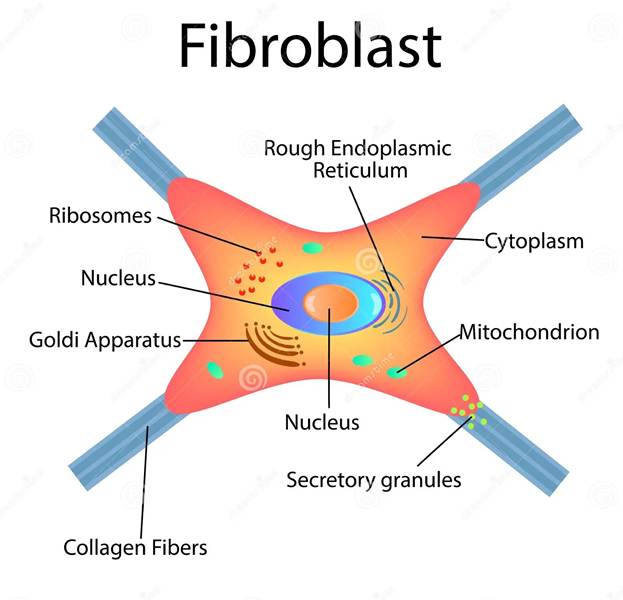
    Fibroblast structure

    Fibroblasts are the “construction workers” of your connective tissue, residing in the extracellular matrix, the structural network of proteins and polysaccharides that holds cells together and provides the scaffolding for tissues. GHK-Cu has profound effects on these cells, and understanding this pathway reveals why the peptide is so effective for skin health and tissue repair.
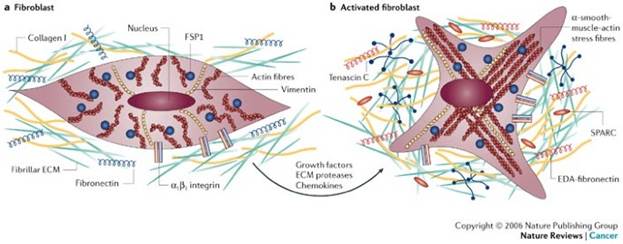
    Fibroblasts and Extracellulare matrix of skin GHK-Cu

    GHK-Cu stimulates fibroblasts to dramatically increase production of Type I Collagen, the primary structural protein in skin, tendons, and bones. Type I collagen forms strong, rope-like fibers that provide tensile strength to tissues. The peptide also enhances Type III Collagen synthesis, found predominantly in blood vessels and organs, which provides more flexible support. But collagen alone doesn’t create healthy tissue, elastin is equally crucial.
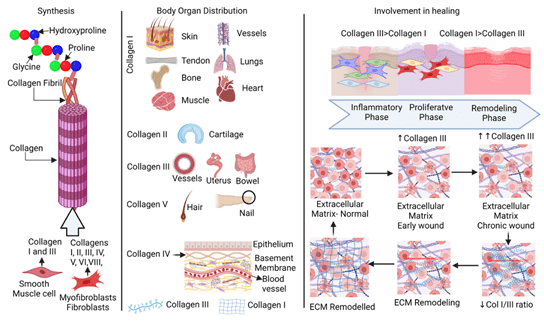
    Types of Collagen, structure, body organ distributions, locations, and involvement in healing

    Elastin is the protein that gives skin its elasticity, the ability to stretch and return to shape. Think of collagen as providing strength and elastin as providing spring. GHK-Cu increases elastin synthesis, which is particularly important because natural elastin production declines dramatically with age. Unlike collagen, which the body continuously produces and degrades throughout life, elastin is largely laid down during development and early adulthood. Once damaged, it’s rarely replaced naturally. GHK-Cu appears to reactivate elastin production pathways that have become dormant.
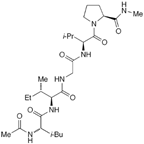
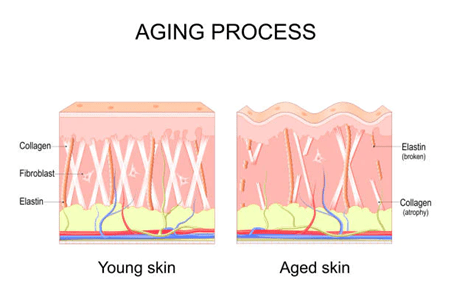
    GHK-Cu.  Young skin vs.  Aged Skin.  Collagen, Elastin.

    The peptide also increases production of Glycosaminoglycans, long-chain polysaccharides that attract and hold water in the extracellular matrix. The most famous GAG is hyaluronic acid, which can hold up to one thousand times its weight in water. This isn’t just about hydration in the superficial sense; water content in the ECM affects tissue volume, nutrient diffusion, and mechanical properties. Tissues with adequate GAG content are plump, resilient, and mechanically functional. Aged or damaged tissue tends to be dehydrated and brittle.

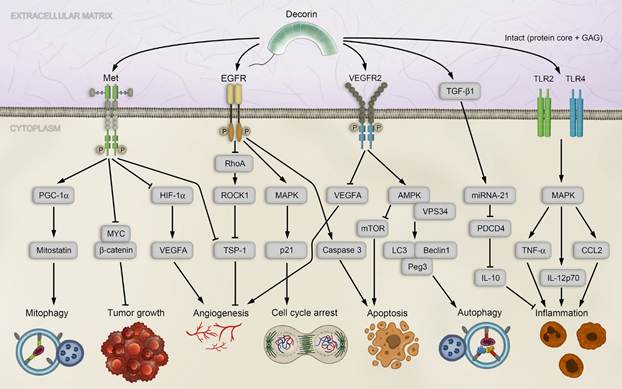
    GHK-Cu also upregulates Decorin, a small proteoglycan that regulates collagen fiber assembly, among many other pathways it can participate in. Decorin ensures that newly synthesized collagen fibers are organized into proper parallel arrays rather than the disorganized tangles characteristic of scar tissue. This is why wounds treated with GHK-Cu tend to heal with better cosmetic outcomes—the collagen architecture is more normal.
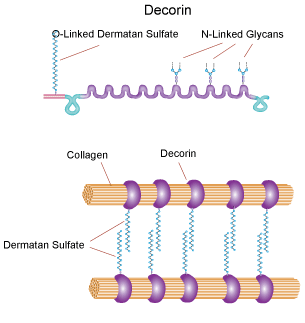
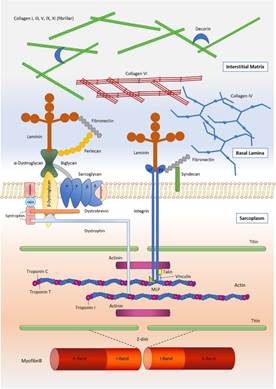
    Decorin
    Decorin GHK-Cu
    Decorin roles in signal transduction

    The Remodeling Process: Destruction and Reconstruction

    Here’s where GHK-Cu becomes truly sophisticated. It doesn’t merely tell cells to make more collagen; it orchestrates a complete remodeling process that involves both building and controlled destruction.

    Matrix Metalloproteinases are enzymes that break down collagen and other ECM components. This sounds destructive, but it’s absolutely essential. Old, damaged, or improperly formed collagen must be removed before new, healthy collagen can be laid down. Think of it like renovating a building: You can’t just keep adding new materials over damaged structure. You must first clear away what’s broken.

    GHK-Cu has a biphasic effect on MMPs that demonstrates elegant biological timing. In the early phase of tissue remodeling, it increases certain MMPs, particularly MMP-2 and MMP-9, to clear away damaged tissue. These enzymes essentially “eat” old collagen, creating space and releasing signaling molecules that recruit repair cells. In the later phase, once new tissue is being laid down, GHK-Cu suppresses excessive MMP activity to prevent over-degradation. The net effect is the removal of “bad” collagen—damaged, excessively cross-linked, or scarred—and its replacement with fresh, properly organized fibers.

    This is tissue remodeling, the same process that occurs naturally in young, healthy tissue but becomes increasingly dysfunctional with age. In aged skin, MMPs are often constitutively elevated due to chronic inflammation and oxidative stress, leading to net collagen loss. Simultaneously, the quality of new collagen synthesis declines. GHK-Cu appears to reset this balance.

    The peptide also upregulates Tissue Inhibitors of Metalloproteinases, which regulate MMP activity. TIMPs bind to active MMPs and inhibit them, ensuring the degradation process doesn’t proceed unchecked. The balance between MMPs and TIMPs determines whether tissue is in a state of net breakdown or net building. GHK-Cu optimizes this ratio, creating an environment where damaged ECM is removed and replaced with high-quality new matrix.

    Continue for Part 3
  • What Is GHK-Cu? The Copper-Peptide Complex Reversing Cellular Age, Stimulating Skin Health, Hair Growth, Longevity etc. Pt. 1

    From Wound Healing to Systemic Rejuvenation: Understanding the Science Behind the “Fountain of Youth” Peptide

    In the landscape of anti-aging interventions, few compounds have generated as much excitement and scientific validation as GHK-Cu. This isn’t just another peptide promising youthful skin; it’s a naturally occurring tripeptide-copper complex that appears to fundamentally reprogram how cells express their genetic information. If the Wolverine Stack is about accelerated healing, GHK-Cu is about cellular rejuvenation at the most fundamental level.

    The Discovery: When Old Cells Act Young

    The story of GHK-Cu begins in 1973 at the University of California, San Francisco, where Dr. Loren Pickart was investigating a puzzling observation: liver cells from elderly patients functioned dramatically better when cultured in blood plasma from younger donors. Something in young blood was making old cells behave like young cells.

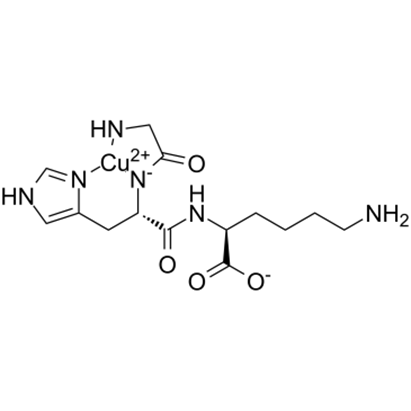
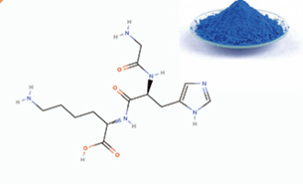
    Through painstaking fractionation and isolation techniques, Pickart identified the responsible factor: a small tripeptide consisting of just three amino acids, Glycine-Histidine-Lysine (GHK) bound to a copper ion (Cu²⁺). When he measured GHK-Cu levels across different age groups, he found a striking pattern. At age twenty, the average plasma concentration hovered around 200 nanograms per milliliter. By age sixty, that concentration had dropped to approximately 80 nanograms per milliliter, a decline of about sixty percent over four decades.

    GHK-Cu2+

    This wasn’t just correlation. When Pickart added GHK-Cu back to aged cells, they demonstrated restored function, producing proteins and responding to signals like younger cells. The implications were profound: aging might not be simply about accumulated damage but also about the loss of specific signaling molecules that maintain youthful cellular behavior.

    Molecular Structure: The Copper Connection

    GHK-Cu’s structure is deceptively simple but functionally sophisticated. The tripeptide sequence creates a specific three-dimensional shape that forms a “binding pocket” with extraordinarily high affinity for copper ions, specifically Cu²⁺ (cupric copper). The dissociation constant is in the picomolar range, meaning once GHK binds copper, it holds on extremely tightly.

    Copper isn’t just a passive passenger in this molecular complex; it’s integral to GHK-Cu’s biological activity. Copper can cycle between Cu²⁺ and Cu⁺ states, making it a critical cofactor in redox reactions, the electron transfer reactions that underlie most cellular energy processes. Copper is required for several critical enzymes that govern tissue health and repair. Superoxide Dismutase, one of the body’s primary antioxidant enzymes, requires copper to neutralize superoxide radicals. Lysyl Oxidase, the enzyme that cross-links collagen and elastin fibers to give tissue its structural integrity, is copper-dependent. Even Tyrosinase, involved in melanin production and wound healing, needs copper to function.

    Beyond its role as an enzyme cofactor, copper ions themselves can act as signaling molecules, influencing gene expression through copper-responsive transcription factors. The GHK peptide acts as a copper chaperone, safely delivering copper to cells that need it while preventing toxic accumulation. Free copper is highly reactive and can generate harmful free radicals through Fenton chemistry; GHK-bound copper is stable and biologically directed.

    Cellular Mechanisms: Epigenetic Reprogramming

    GHK-Cu’s effects operate at multiple levels, but its most profound impact is on gene expression, the process by which cells “read” their DNA to produce proteins. This is where the science becomes truly fascinating.

    In 2012, researchers used the Connectivity Map database, a comprehensive collection of gene expression profiles from cells treated with various compounds to analyze GHK-Cu’s effects. The results were staggering. GHK-Cu significantly altered the expression of over four thousand genes, systematically shifting them toward patterns seen in younger tissue. Specifically, approximately eighteen hundred genes were upregulated while over two thousand genes were downregulated.

    This wasn’t random modulation. The changes showed clear, biologically meaningful patterns. The upregulated genes were involved in tissue repair and remodeling, antioxidant defense, anti-inflammatory pathways, DNA repair mechanisms, and stem cell mobilization. Meanwhile, the downregulated genes included pro-inflammatory cytokines like IL-1, IL-6, and TNF-α; matrix metalloproteinases that degrade collagen when overexpressed; genes associated with fibrosis and scar formation; and even certain cancer-promoting oncogenes, including those associated with metastasis.

    This represents epigenetic modulation, changing how genes are expressed without altering the DNA sequence itself. Think of your genome as a massive library containing every instruction your cells might need. GHK-Cu acts like a master librarian, determining which books get pulled from the shelves and which remain closed. The shift isn’t subtle; it’s a systematic reorganization toward a more youthful expression pattern.

    Continue for part 2 …

  • Tips to Even Skin Tone Naturally

    Achieving a perfectly even skin tone can be a struggle, especially for those who have been dealing with skin discoloration for years. However, with the right approach, it is possible to improve the appearance of uneven skin tone naturally. In this article, we will provide some tips and tricks to help you even out your skin tone without using harsh chemicals or expensive treatments.

    1. Exfoliate Regularly
    Exfoliate for brighter skin and even skin tone.

    Exfoliating regularly is an essential step in achieving an even skin tone. By removing dead skin cells, you can reveal brighter, smoother skin and reduce the appearance of dark spots and hyperpigmentation. However, it’s important to choose the right exfoliating product for your skin type. Those with sensitive skin should avoid harsh scrubs and opt for gentler exfoliants like alpha-hydroxy acids (AHAs) or beta-hydroxy acids (BHAs).

    • Use Vitamin C
    Vitamin C sources

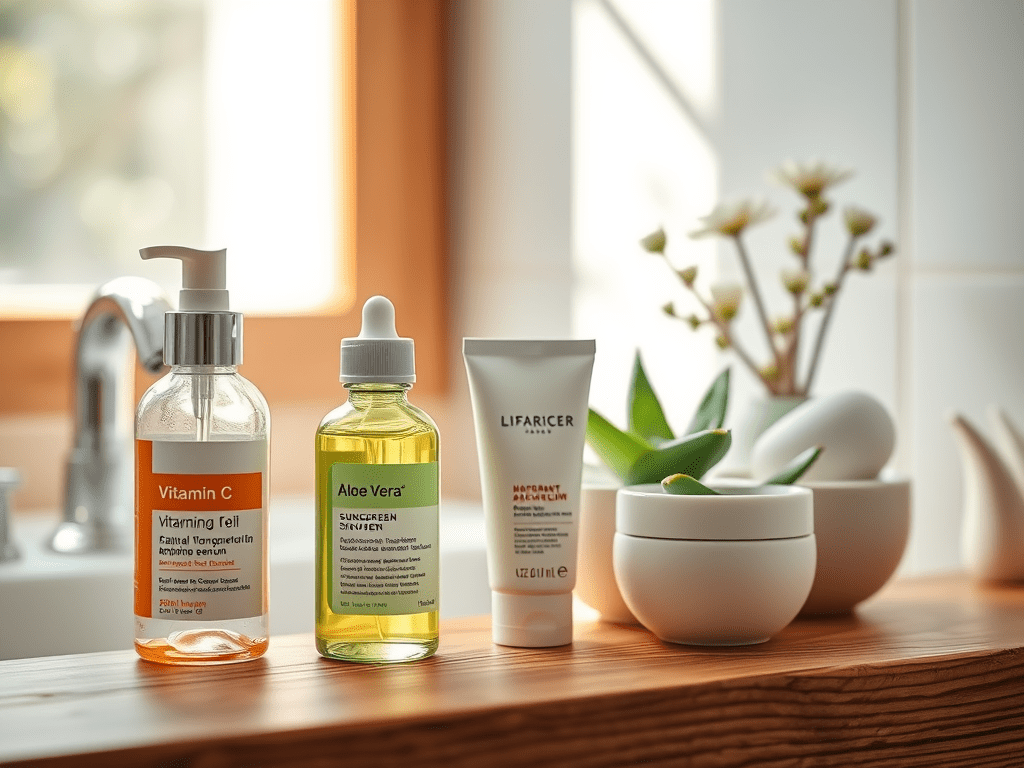
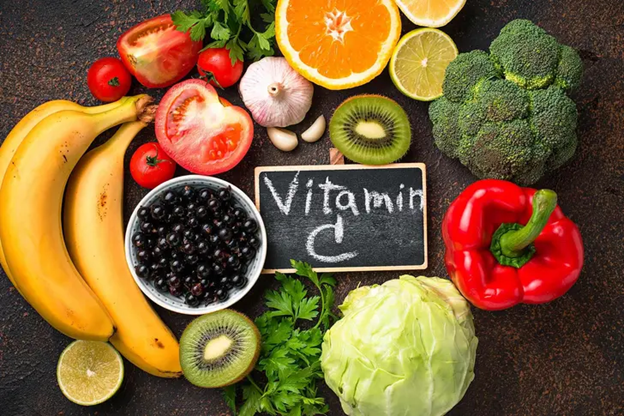
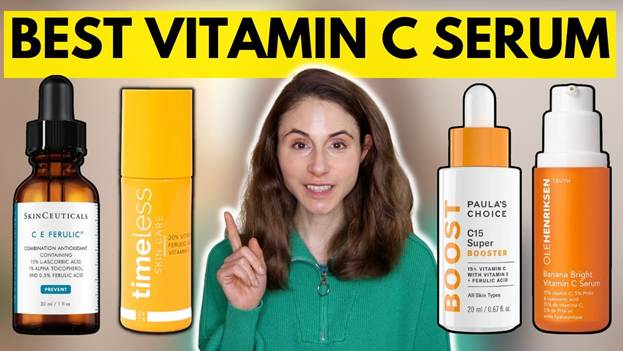
    Vitamin C is a powerful antioxidant that can help to brighten and even out skin tone. It works by inhibiting the production of melanin, the pigment responsible for dark spots and hyperpigmentation. Incorporating a vitamin C serum into your skincare routine can help to reduce the appearance of dark spots and give your skin a more radiant glow.

    Vitamin C Serum
    • Apply Sunscreen Daily
    Sunscreen

    Sun damage is one of the leading causes of uneven skin tone. UV rays can trigger the production of melanin, leading to dark spots and hyperpigmentation. To prevent further damage, it’s crucial to wear sunscreen every day, even when it’s cloudy outside. Look for a broad-spectrum sunscreen with an SPF of at least 30 and apply it liberally to your face, neck, and any other exposed areas.

    • Use Natural Remedies
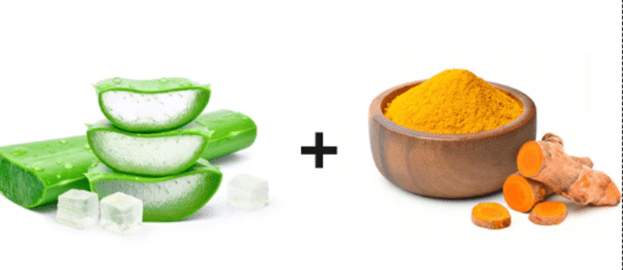
    Aloe Vera, Tumeric and other natural substance can help lighten dark spots and brighten skin.

    There are several natural remedies that can help to even out skin tone. For example, aloe vera gel contains compounds that can reduce inflammation and lighten dark spots. Applying aloe vera gel to your skin regularly can help to improve its overall appearance. Another natural remedy is turmeric, which has anti-inflammatory and antioxidant properties. Mixing turmeric with honey and applying it to your skin can help to reduce the appearance of dark spots and even out your skin tone.

    • Stay Hydrated
    Stay hydrated for healthier skin.

    Drinking plenty of water is essential for maintaining healthy skin. When you’re dehydrated, your skin can become dull and dry, making it more prone to hyperpigmentation and uneven skin tone. Aim to drink at least eight glasses of water per day to keep your skin looking its best.

    By incorporating these tips into your skincare routine, you can improve the appearance of uneven skin tone naturally. Remember, consistency is key when it comes to achieving results, so be patient and stick with your new routine.

  • Dr. Peter Attia and Medicine 3.0: The Proactive Baseline

    Dr. Peter Attia and Medicine 3.0: The Proactive Baseline

    In Medicine 3.0, “normal” lab results are not the goal; optimal levels are. The focus shifts from diagnosing existing disease to identifying the earliest signals of physiological drift.


    I. The “Non-Negotiable” Blood Markers

    Attia prioritizes these markers because they offer the highest “signal-to-noise” ratio for predicting the “Four Horsemen” of aging.

    CategoryBiomarkerWhy It MattersAttia’s Target/Insight
    CardiovascularApoBCounts total atherogenic particles. More accurate than LDL-C.Goal is often <60 mg/dL (or even lower for high-risk).
    CardiovascularLp(a)The strongest hereditary risk factor for heart disease.Test at least once; high levels require aggressive ApoB management.
    MetabolicFasting InsulinDetects early insulin resistance years before HbA1c rises.Ideally <5 uIU/mL; rising levels signal metabolic stress.
    MetabolicTG:HDL RatioA simple surrogate for insulin resistance.Ideally <1.0; a ratio >2.0 often indicates metabolic dysfunction.
    Inflammationhs-CRPHigh-sensitivity C-reactive protein measures systemic inflammation.Target is <1.0 mg/L to minimize vascular and neural risk.
    Hormonal/OtherALT (Liver)Signals hepatic metabolic stress and fatty liver risk.Look for trends even within the “normal” range (target <25-30).

    II. The “Centenarian Decathlon” Physical Benchmarks

    Attia uses a framework called the Centenarian Decathlon: a list of ten physical tasks you want to be able to do in your last decade of life. To do them then, you must be “over-trained” for them now.

    • VO2 Max: This is the single strongest predictor of lifespan.
      • Benchmark: Aim to be in the top 2.5% for your age group to ensure functional independence later.
    • Grip Strength: A proxy for overall muscle mass and structural integrity.
      • Benchmark: At age 40, men should dead-hang for 2 minutes and women for 90 seconds.
    • The Farmer’s Carry: Carrying heavy loads safely.
      • Benchmark: Men should carry their full body weight (50% in each hand) for 1 minute; women 75%.
    • Stability: The “foundation” of the four pillars of exercise.
      • Benchmark: Balance on one leg for 30 seconds with eyes open (15 seconds with eyes closed).

    III. Advanced Imaging & Diagnostics

    To fill the gaps where blood work fails, Attia recommends specific “deep-tissue” snapshots:

    1. DEXA Scan: Every 6–12 months to track ALMI (Appendicular Lean Mass Index) and VAT (Visceral Adipose Tissue).
    2. Continuous Glucose Monitor (CGM): Even for non-diabetics, to see real-time glucose spikes from specific foods.
    3. APOE Genotyping: To understand genetic risk for Alzheimer’s (APOE4 carriers require more aggressive lipid and metabolic control).

    Summary: Your “First 90 Days” Checklist

    • Week 1: Get a baseline ApoB, Lp(a), Fasting Insulin, and hs-CRP.
    • Week 2: Schedule a DEXA scan and a professional VO2 Max test.
    • Week 4: Test your grip strength and single-leg balance to find your baseline “stability” score.

    Peter Attia on the single most important metric for longevity

    This video explores why cardiorespiratory fitness (VO2 Max) and Zone 2 training are the most powerful modifiable predictors of all-cause mortality and how to structure your training to optimize them.

  • Who is Peter Attia, Longevity Guru?

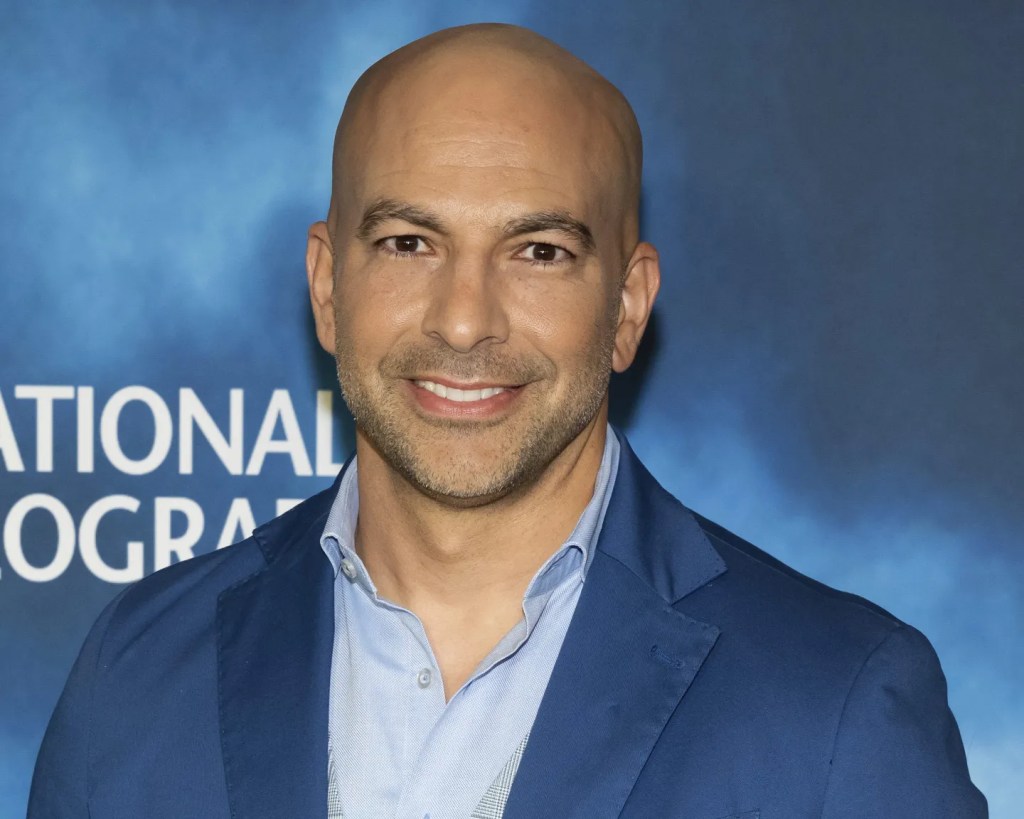
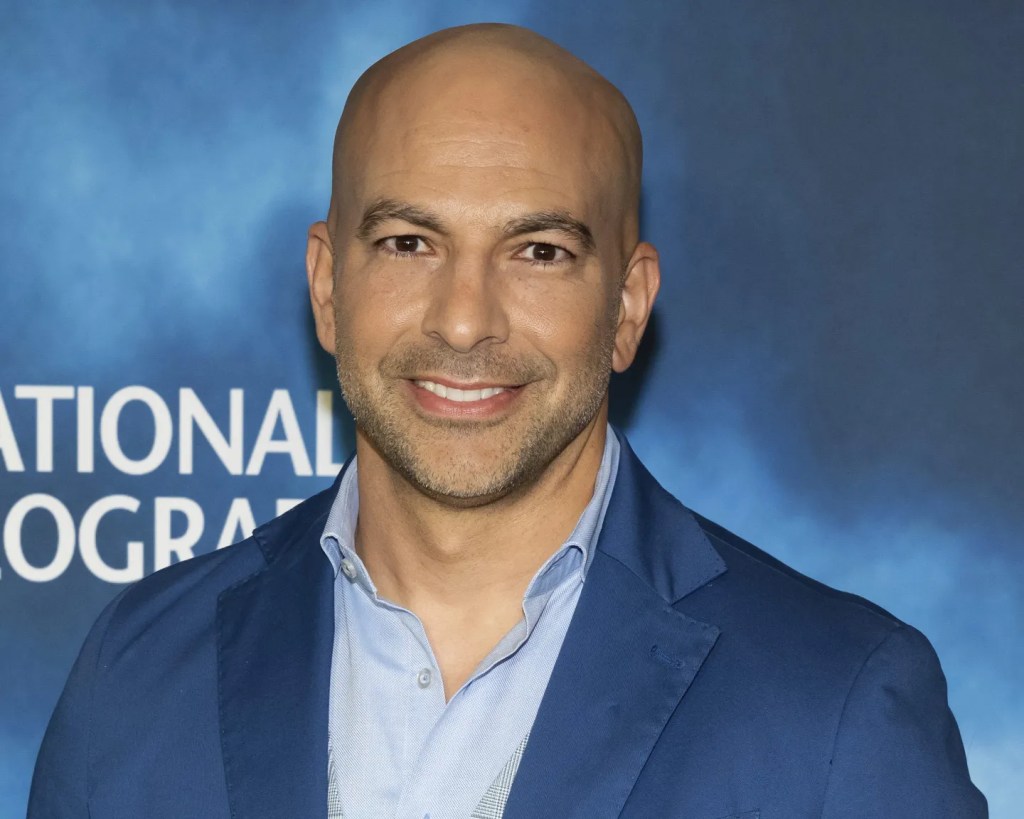
    Who is Peter Attia?

    In the world of longevity, few figures are as polarizing or as influential as Dr. Peter Attia. While he is often categorized alongside “biohackers,” Attia’s approach is fundamentally different, rooted in a unique blend of engineering logic, surgical rigor, and a radical rethink of the medical establishment.

    The Concept: Healthspan vs. Lifespan

    Attia’s philosophy centers on a critical distinction: Lifespan (how long you live) versus Healthspan (how well you live). He argues that modern medicine, what he calls Medicine 2.0, is excellent at preventing you from dying in the acute phase (e.g., after a heart attack) but terrible at preventing the slow decay that precedes it.

    His goal is Medicine 3.0: a proactive, personalized framework designed to crush the “Four Horsemen” of aging: Heart Disease, Cancer, Neurodegenerative Disease, and Type 2 Diabetes, decades before they manifest.


    The Resume: Addressing the “Residency” Question

    There is frequent online chatter regarding Peter Attia’s medical credentials, specifically whether he completed his training. To clarify the timeline:

    • Education: B.Sc. in Mechanical Engineering and Applied Mathematics (Queen’s University) followed by an M.D. from Stanford University School of Medicine.
    • Surgical Training: Attia spent five years at the Johns Hopkins Hospital in general surgery. During this time, he was highly regarded, even earning the “Resident of the Year” award.
    • The Fellowship: He spent two years at the National Institutes of Health (NIH) as a surgical oncology fellow, researching immunotherapy for melanoma.
    • The Pivot: You heard correctly that he did not finish the full residency track to become a board-certified surgeon. Disillusioned by the “reactive” nature of terminal cancer care and facing burnout, Attia left Johns Hopkins with roughly two years of training remaining.
    • McKinsey & Co: He spent two years as a consultant at McKinsey, applying “credit risk” mathematical models to human health, a perspective that now defines his data-heavy approach to longevity.

    Attia vs. Biohacking: The Great Divide

    It is a mistake to view Peter Attia as a typical biohacker. While biohackers often focus on “quick fixes” or fringe experiments, Attia’s work is characterized by:

    1. Clinical Rigor: He relies on high-level diagnostics (DEXA scans, VO2 Max testing, and ApoB blood panels) rather than unproven gadgets.
    2. Long-Term Strategy: Biohacking often seeks immediate performance; Attia seeks to optimize your “Marginal Decade”, the last ten years of your life.
    3. Medical Supervision: His practice, Early Medical, is a high-touch clinical service, not a DIY enthusiast community.

    Controversies: The Cost of Disruption

    Attia’s rise has not been without pushback. Critics often point to:

    • The “Elite” Barrier: With a concierge practice that can cost tens of thousands of dollars, his brand of Medicine 3.0 is often labeled as “healthcare for the 1%.”
    • Aggressive Intervention: His stance on using statins and PCSK9 inhibitors very early in life to drive ApoB to “infant levels” is considered too aggressive by some conservative cardiologists.
    • No Board Certification: Because he stepped away from his surgical residency, he is not board-certified in a specialty. While he is a licensed MD, critics use this to question his “expert” status in primary care or lipidology.

    The Bottom Line

    Whether he is a “drop-out” or a “visionary” depends on your perspective. However, his ability to synthesize complex biochemistry into actionable protocols has made him the de facto leader of the longevity movement.

  • Why Sleep Duration is Only Half the Equation

    Everyone knows sleep is important. “Get eight hours” has become the default health advice. But here’s what the sleep optimization crowd understands that most people miss: duration is only half the equation. What matters more is sleep architecture, the structure and quality of your sleep cycles.

    You can sleep nine hours and wake up wrecked. Or sleep six hours and feel phenomenal. The difference? How you move through the stages of sleep and what’s happening in your brain and body during those stages.

    Understanding Sleep Architecture

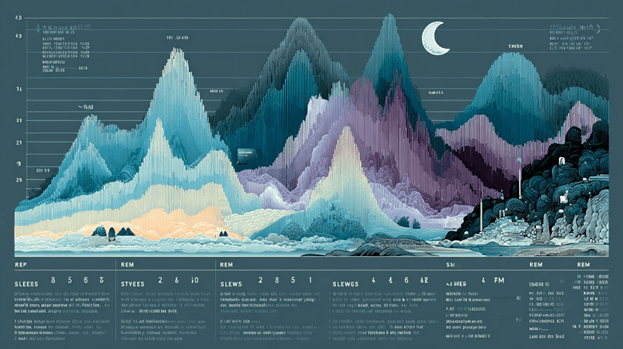
    Sleep isn’t a uniform state. You cycle through four distinct stages multiple times per night:

    Stage 1 (Light Sleep): Transition phase, easily disrupted. Lasts 1-5 minutes.

    Stage 2 (Light Sleep): Body temperature drops, heart rate slows. This is where sleep spindles occur—bursts of brain activity that consolidate memories and learning. Comprises 50% of total sleep.

    Stage 3 (Deep Sleep / Slow-Wave Sleep): This is the restorative jackpot. Growth hormone is released, tissues repair, immune system strengthens, metabolic waste is cleared from the brain. The first cycle has the most deep sleep; it decreases with each subsequent cycle.

    REM Sleep (Rapid Eye Movement): Where vivid dreams occur. Critical for emotional regulation, creativity, memory consolidation. Increases in duration with each cycle through the night.

    A typical night includes 4-6 complete cycles, each lasting 90-120 minutes. The goal isn’t just “8 hours”—it’s maximizing deep and REM sleep while minimizing disruptions.

    The Biohacker’s Sleep Optimization Stack

    1. Control Your Light Environment

    Your circadian rhythm—your internal biological clock—is exquisitely sensitive to light:

    • Morning light exposure: Get 10-30 minutes of direct sunlight within 1 hour of waking. This anchors your circadian rhythm and promotes cortisol production (which should be high in the morning).
    • Blue light blocking: After sunset, minimize blue light exposure. Use blue-blocking glasses (amber or red-tinted) if using screens. Better yet, switch to red lights in your home 2-3 hours before bed.
    • Complete darkness: Your bedroom should be cave-dark. Even small amounts of light (from alarm clocks, streetlights) suppress melatonin. Use blackout curtains or a sleep mask.

    2. Temperature Hacking

    Core body temperature must drop 2-3°F to initiate and maintain deep sleep:

    • Cool bedroom: 65-68°F is optimal for most people.
    • Hot bath or sauna 90 minutes before bed: Counterintuitively, heating your body triggers a compensatory cooling response afterward, facilitating sleep onset.
    • Cooling devices: Consider a ChiliPad or Eight Sleep mattress that actively cools your sleep surface.

    3. The Strategic Supplement Protocol

    These compounds enhance specific aspects of sleep architecture:

    For Deep Sleep:

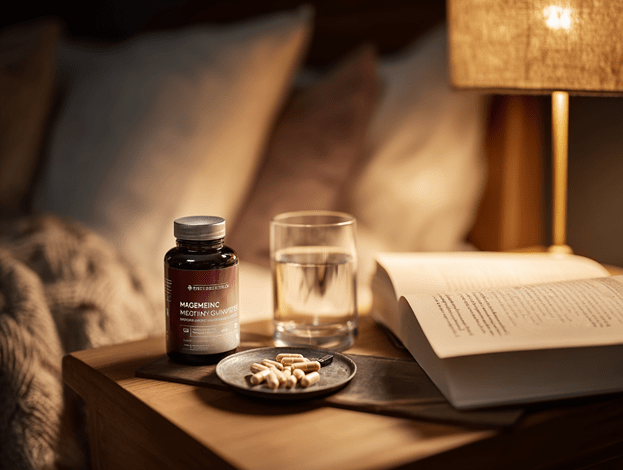
    • Magnesium glycinate or threonate: 400-600mg 1-2 hours before bed. Calms the nervous system, supports GABA.
    • Glycine: 3g before bed. Lowers core body temperature and increases time spent in deep sleep.

    For REM Sleep:

    • Huperzine A: 200mcg before bed. Inhibits acetylcholine breakdown, enhancing REM. (Use intermittently, not nightly.)

    For Sleep Onset:

    • Apigenin: 50mg (found in chamomile). Binds to GABA receptors, promotes relaxation.
    • L-Theanine: 200-400mg. Promotes alpha brain waves without sedation.

    Melatonin: If using, dose correctly: 0.3-1mg is sufficient. Most supplements contain 5-10mg, which is excessive and can cause grogginess.

    4. Pre-Sleep Wind-Down Protocol

    Your brain needs a transition period:

    • 90-120 minutes before bed: No stimulating content (action movies, work emails, arguments). Switch to relaxing activities.
    • 60 minutes before: No screens. Read a physical book, practice breathwork (box breathing: 4 seconds in, 4 hold, 4 out, 4 hold).
    • 30 minutes before: Final bathroom trip, bedroom prep (cool, dark, quiet).

    5. Track and Optimize

    You can’t optimize what you don’t measure:

    • Wearables: Oura Ring, WHOOP, or Apple Watch track sleep stages, heart rate variability (HRV), and respiratory rate.
    • Key metrics to track:
      • Total sleep time
      • Time in deep sleep (target: 15-25% of total, or 90-120 minutes)
      • Time in REM sleep (target: 20-25% of total)
      • Sleep efficiency (time asleep / time in bed, target: >85%)
      • Resting heart rate (should be low and consistent)

    The Compound Effect

    Sleep optimization is the ultimate biohack because it compounds. Better sleep improves:

    • Muscle protein synthesis (growth hormone release during deep sleep)
    • Fat loss (poor sleep disrupts leptin and ghrelin, hunger hormones)
    • Cognitive performance (memory consolidation occurs during REM)
    • Immune function (deep sleep activates T-cells and antibody production)
    • Longevity (chronic sleep deprivation is linked to every age-related disease)

    Stop chasing marginal gains from exotic supplements or training protocols while ignoring the 6-8 hours you spend unconscious. Master your sleep architecture first. Everything else becomes easier.

    The biohacker’s advantage isn’t working harder—it’s recovering smarter. 

  • In the world of biohacking, simply “living longer” isn’t the goal. The true pursuit is healthspan, extending the number of years you live in optimal health, free from disease and decline. To achieve this, biohackers don’t just guess; they measure. They focus on longevity markers: the objective, biological data points that indicate how fast (or slow) your body is actually aging.

    Forget your birth certificate; your real age is written in your cells. Here’s how biohackers read it.

    The Hallmarks of Aging: What We’re Tracking

    Scientists have identified several “Hallmarks of Aging” at the cellular and molecular level. Biohacking aims to directly influence these:

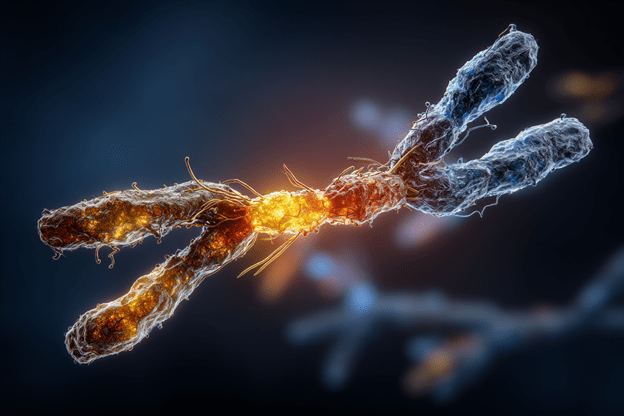
    1. Telomere Length: Imagine the plastic tips on shoelaces; telomeres are protective caps on the ends of your DNA strands (chromosomes). Every time your cells divide, telomeres shorten. Critically short telomeres are associated with cellular aging and increased disease risk.
      • Biohacker Strategy: While a complex marker, strategies like reducing chronic stress, increasing omega-3 fatty acids, and regular exercise are linked to telomere preservation.
      • Measurement: Specialized blood tests (e.g., from TeloYears, SpectraCell) can measure average telomere length.
    1. Epigenetic Clocks: Your DNA sequence is fixed, but your epigenome is a dynamic layer of instructions that tells your genes what to do and when. Epigenetic clocks (like the Horvath Clock or the GrimAge clock) analyze patterns of DNA methylation to estimate your “biological age” with remarkable accuracy. This is considered one of the most precise longevity markers.
      • Biohacker Strategy: Diet (especially methylation-supporting nutrients like folate, B12), exercise, sleep, and even exposure to certain compounds (e.g., alpha-ketoglutarate) are thought to influence epigenetic aging.
      • Measurement: Advanced blood tests (e.g., from TruDiagnostic, Elysium Health) analyze methylation patterns.
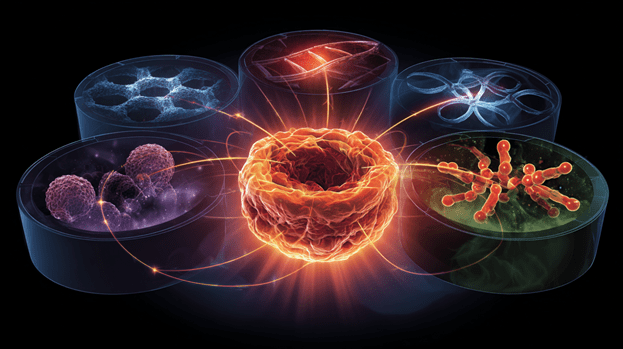
    1. Mitochondrial Function: As discussed in our previous post, mitochondria are your cellular powerhouses. Dysfunctional mitochondria produce less energy and more damaging free radicals, accelerating aging.
      • Biohacker Strategy: Optimized fuel (healthy fats, ketones), hormetic stressors (HIIT, cold/heat exposure), and targeted supplements (CoQ10, NAD+ precursors) all aim to boost mitochondrial health.
      • Measurement: While direct measurement is complex, markers like lactate levels (indicating inefficient energy production) or VO2 max (overall aerobic capacity) serve as indirect proxies.
    2. Inflammation Markers (CRP, Homocysteine): Chronic low-grade inflammation is a silent killer, contributing to virtually every age-related disease.
      • Biohacker Strategy: Anti-inflammatory diets (rich in omega-3s, polyphenols), gut health optimization, and stress reduction are key.
      • Measurement: Basic blood tests for High-Sensitivity C-Reactive Protein (hs-CRP) and Homocysteine are readily available.
    3. Metabolic Health (Glucose, Insulin Sensitivity): Stable blood sugar and high insulin sensitivity are hallmarks of metabolic youth. Chronically high glucose levels and insulin resistance drive cellular damage.
      • Biohacker Strategy: Continuous Glucose Monitors (CGMs), low-glycemic diets, intermittent fasting, and strategic exercise are central.
      • Measurement: Fasting glucose, HbA1c, fasting insulin, and CGM data.

    The Biohacker’s Edge: A Personalized Roadmap

    Measuring these markers provides a personalized roadmap. If your telomeres are shortening rapidly, you might double down on stress reduction. If your epigenetic clock is ticking too fast, you might re-evaluate your methylation donors.

    This isn’t about vanity; it’s about empowerment. By understanding your biological age and the factors influencing it, you move beyond generic health advice to a precise, data-driven strategy for extending your healthspan. It’s about optimizing the journey, not just prolonging it.

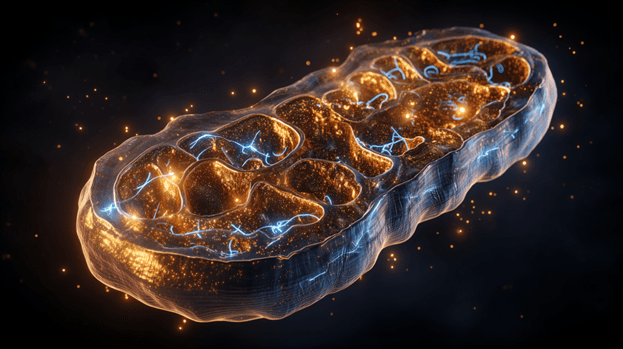
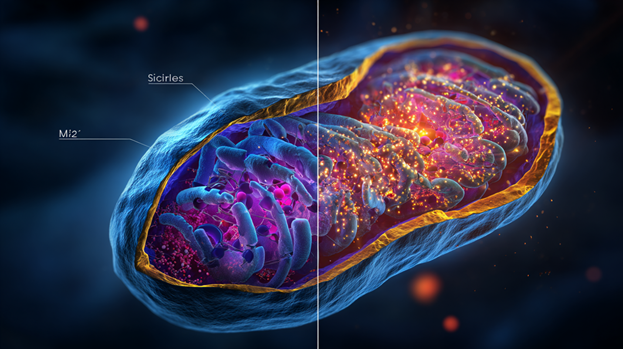
  • Why Your Cellular Powerhouses Determine Everything

    You’ve heard the phrase a thousand times: “Mitochondria are the powerhouses of the cell.” But what does that actually mean for your performance, your body composition, and your longevity?

    If you’re serious about biohacking, about optimizing your biology beyond what nature intended, understanding and upgrading your mitochondria is non-negotiable. These microscopic organelles don’t just “make energy.” They dictate whether you wake up feeling unstoppable or dragging yourself through another mediocre day.

    The Mitochondrial Bottleneck

    Your body contains trillions of mitochondria. A single muscle cell houses thousands of them. When they’re functioning optimally, you experience:

    • Sustained energy without crashes
    • Rapid recovery from training
    • Mental clarity and focus
    • Efficient fat burning
    • Slower biological aging

    But here’s the problem: modern life systematically damages mitochondria. Poor diet, chronic stress, environmental toxins, and sedentary behavior create what scientists call “mitochondrial dysfunction”. Your cellular power plants become sluggish, inefficient, and start producing more oxidative stress than energy.

    The result? You feel tired despite sleeping eight hours. You gain fat despite eating “clean.” You struggle to build muscle despite training consistently. Your mitochondria are the bottleneck.

    The Three-Pillar Mitochondrial Protocol

    Pillar 1: Fuel Quality

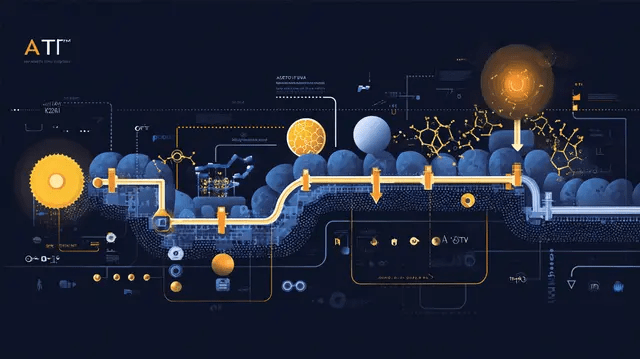
    Your mitochondria run on electrons stripped from food molecules during metabolism. Feed them the right fuel:

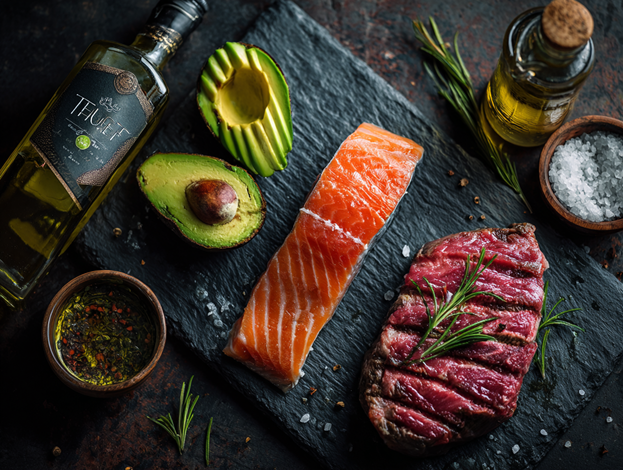
    • Fatty acids over sugar: Fat oxidation (beta-oxidation) produces far more ATP per molecule than glucose. Prioritize omega-3-rich fish, grass-fed beef, avocados, and olive oil.
    • Ketones as premium fuel: During fasting or ketogenic states, your liver produces ketone bodies—a super-efficient mitochondrial fuel that produces less oxidative stress than glucose.
    • Avoid seed oils: Industrial seed oils (canola, soybean, corn oil) contain oxidized polyunsaturated fats that may damage mitochondrial membranes.

    Pillar 2: Strategic Supplementation

    Certain compounds directly enhance mitochondrial function:

    • CoQ10 (Ubiquinol form): The electron shuttle in your electron transport chain. Take 200-400mg daily with fat. Levels decline dramatically after age 40.
    • PQQ (Pyrroloquinoline Quinone): Stimulates mitochondrial biogenesis—the creation of new mitochondria. Dose: 10-20mg daily.
    • NAD+ precursors: Nicotinamide Riboside (NR) or Nicotinamide Mononucleotide (NMN) boost NAD+, essential for mitochondrial energy production. Dose: 250-500mg NMN or 300-600mg NR daily.
    • Alpha-Lipoic Acid: Powerful antioxidant that regenerates other antioxidants and improves insulin sensitivity. Dose: 300-600mg daily.

    Pillar 3: Hormetic Stress

    Mitochondria adapt and multiply in response to controlled stress, a concept called hormesis:

    • High-Intensity Interval Training: Brief, intense exercise forces mitochondria to adapt by increasing density and efficiency. Three 20-minute HIIT sessions weekly outperform hours of steady cardio for mitochondrial health.
    • Cold exposure: Cold showers or ice baths activate brown fat and force mitochondria to produce heat via uncoupling. Start with 30 seconds of cold at the end of your shower, build to 2-3 minutes.
    • Heat stress: Sauna bathing (20 minutes at 170-180°F, 3-4x weekly) triggers heat shock proteins that repair damaged mitochondria and promote new growth.
    • Fasting: Periods without food activate autophagy, cellular cleanup that removes damaged mitochondria and recycles their components.

    The Biohacker’s Edge

    Elite athletes, high-performing executives, and longevity-focused biohackers share one thing: they’ve optimized their mitochondria. They understand that energy isn’t about caffeine and stimulants, it’s about upgrading the fundamental machinery of cellular respiration.

    Start with one pillar. Clean up your fat sources this week. Add CoQ10 next week. Incorporate one HIIT session the following week. Mitochondrial optimization isn’t sexy. It doesn’t come in a pill or a single “life hack.” But it’s the foundation upon which everything else, muscle growth, fat loss, cognitive performance, longevity, is built.

    Your mitochondria don’t care about your goals. They only respond to the signals you send them. Send better signals.

  • WHAT IS BIOHACKING?

    Taking Control of Your Biology

    Biohacking
    What is Biohacking?

    Biohacking sounds like something out of a sci-fi movie…implanting chips, editing genes, becoming superhuman. And while some of that exists on the extreme fringe, the reality is far more accessible and practical.

    Biohacking is the practice of using science, technology, and self-experimentation to optimize your body and mind beyond their default settings.

    Think of your body as hardware and your lifestyle as software. Most people run on the factory settings—whatever genetics, environment, and habit patterns installed by default. Biohackers refuse to accept these defaults. They ask: “What if I could upgrade my energy, cognitive performance, body composition, longevity, and overall quality of life through deliberate intervention?”

    The Core Principle

    At its heart, biohacking is about agency—taking active control rather than passive acceptance. It combines:

    • Science: Understanding the biochemical, physiological, and neurological mechanisms that govern how your body functions
    • Experimentation: Testing interventions on yourself and measuring results
    • Optimization: Continuously refining your approach based on data and outcomes

    This isn’t about following trends or quick fixes. It’s about understanding why something works (or doesn’t) at a mechanistic level, then applying that knowledge systematically.

    Data-driven, metrics, Biohacking

    The Spectrum of Biohacking

    Biohacking exists on a spectrum from simple to extreme:

    Foundational (Everyone Should Do This):

    • Optimizing sleep quality and circadian rhythm
    • Strategic nutrition timing and macronutrient ratios
    • Resistance training and cardiovascular exercise
    • Stress management and breathwork
    • Supplement protocols (vitamin D, omega-3s, magnesium)

    Intermediate (Data-Driven Optimization):

    • Continuous glucose monitoring to personalize diet
    • Wearable technology tracking (Oura Ring, WHOOP, Apple Watch)
    • Cold and heat exposure (ice baths, sauna protocols)
    • Intermittent fasting and metabolic flexibility training
    • Nootropics (compounds that enhance cognitive function)
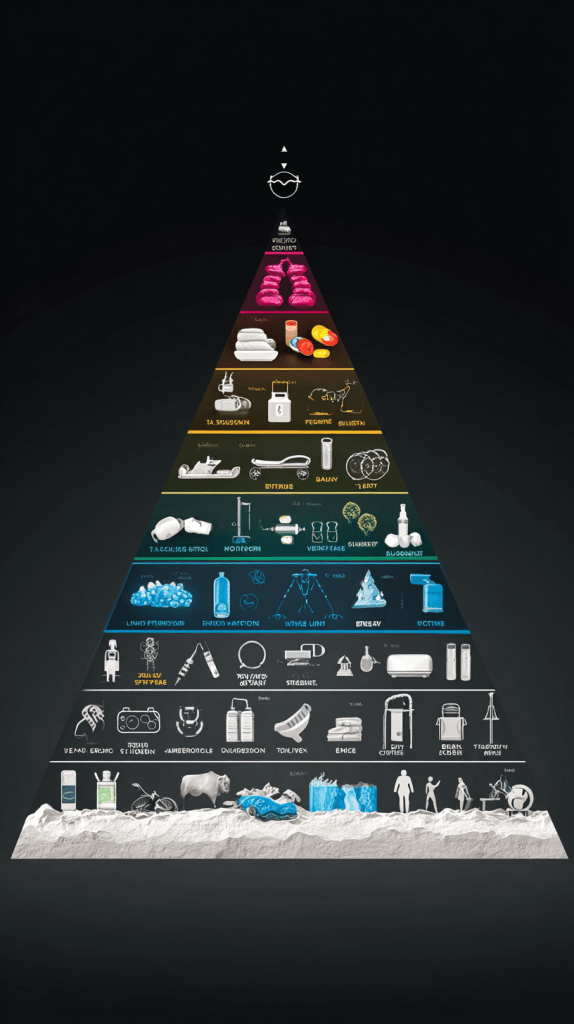
    The Hierarchy of Biohacking
    he Hierarchy of Biohacking

    Advanced (Requires Medical Supervision):

    • Peptide therapy (BPC-157, TB-500, growth hormone secretagogues)
    • Hormone optimization (testosterone, thyroid, etc.)
    • IV nutrient therapy and NAD+ infusions
    • Photobiomodulation (red light therapy, near-infrared)

    Extreme (Not for Most People):

    • Implantable devices and chips
    • Gene therapy and CRISPR applications
    • Experimental longevity drugs (rapamycin, metformin, senolytics)
    Biohacking Modalities
    Biohacking Modalities

    Why Biohack?

    The modern environment is actively hostile to human health. We evolved for scarcity, movement, sunlight, and sleep—but we live in abundance, sitting, artificial light, and chronic stress. Our biology is mismatched with our environment.

    Biohacking for Wellness and Longevity
    Biohacking for Wellness and Longevity

    Biohacking bridges that gap. It’s about:

    • Reclaiming energy in a world designed to drain you
    • Building resilience against environmental stressors
    • Extending healthspan, not just lifespan (living longer well)
    • Maximizing performance physically, mentally, and emotionally

    The Biohacker’s Mindset

    What separates biohackers from people just “trying to be healthy”?

    The Biohacking Mindset
    The Biohacking Mindset

    1. Data over dogma: Biohackers measure. They track bloodwork, sleep metrics, body composition, cognitive performance. They don’t assume—they test and verify.

    2. Mechanistic understanding: It’s not enough to know “vitamin D is good for you.” Biohackers understand how: it acts as a steroid hormone, regulating over 200 genes, modulating immune function, and influencing neurotransmitter synthesis.

    3. Personalization: What works for one person may not work for another due to genetics, microbiome differences, and metabolic variability. Biohackers find their optimal protocol through experimentation.

    4. Continuous iteration: Your body changes. Your needs change. Biohacking isn’t a destination—it’s an ongoing process of refinement.

    The Bottom Line

    Biohacking isn’t about perfection. It’s about optimization. It’s about refusing to settle for “fine” when “exceptional” is achievable through deliberate intervention.

    You don’t need a lab, a medical degree, or unlimited resources to start. Begin with the fundamentals: fix your sleep, dial in your nutrition, move your body strategically, measure your progress.

    Then, layer in more advanced protocols as you learn what your body responds to.

    Your biology isn’t fixed. It’s malleable, adaptable, and waiting for you to take control.

    Biohacking

    The question isn’t whether you can biohack. The question is: why would you settle for anything less?