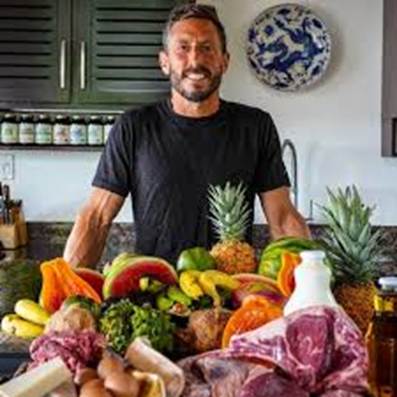
• Who is Paul Saladino, MD, the “Carnivore MD”?

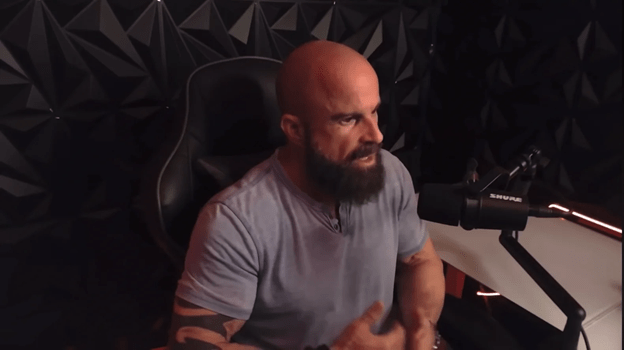
    If you have spent any time scrolling through health and fitness social media lately, you’ve likely seen a shirtless man in a grocery store pointing at kale and calling it “poison.” That man is Paul Saladino, MD, widely known as the Carnivore MD.

    In a world where wellness advice feels like a revolving door of contradictions, Saladino has carved out a massive niche by advocating for a return to “ancestral” eating. But as his message has evolved from “meat-only” to “meat and fruit,” many are left wondering: is he a visionary pioneer or just another biohacking provocateur?

    As far as his advocacy of the Carnivore diet is concerned, he has written extensively on the subject.
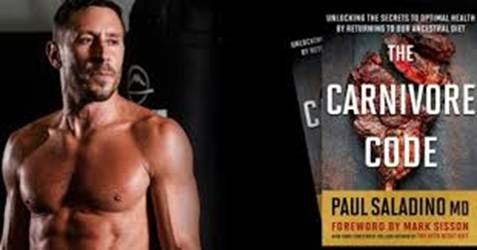
    Who is Paul Saladino, MD, the "Carnivore MD"?  Carnivore Code

    The Bio: From Psychiatry to Steaks

    Paul Saladino’s path to becoming a health influencer was not linear. He earned his medical degree from the University of Arizona and completed his residency in psychiatry at the University of Washington. He is also a certified “Functional Medicine” practitioner.

    His journey into the nutritional space was sparked by his own struggle with severe eczema, which he claims was only cured when he eliminated plants and transitioned to a nose-to-tail carnivore diet. This personal transformation led to his 2020 book, The Carnivore Code, which became a foundational text for the movement.

    Popularity and Digital Footprint

    Saladino is an undisputed heavyweight in the digital health space. As of early 2026, his reach across platforms is staggering:

    • Instagram: ~2.8 million followers (@paulsaladinomd)
    • YouTube: ~1.06 million subscribers
    • TikTok: Over 700,000 followers

    His content is high-energy, visually striking, and often filmed in tropical locales like Costa Rica. He isn’t just a creator; he’s a businessman. He is the founder of Heart & Soil, a supplement company specializing in desiccated (freeze-dried) organ meats, and co-founded Lineage Provisions, which produces meat-based snacks.

    The Message: Evolution of the “Animal-Based” Diet

    Saladino’s core philosophy centers on the idea that plants have “defense chemicals” (like oxalates and lectins) that can trigger inflammation and autoimmune issues in humans.

    Interestingly, his advice has shifted over time. Originally a strict carnivore, he later admitted that long-term ketosis caused him sleep issues and heart palpitations. He now promotes an “Animal-Based” diet, which includes:

    1. Muscle and Organ Meats: The foundation of nutrition.
    2. Fruit and Honey: His primary source of “clean” carbohydrates.
    3. Raw Dairy: A controversial staple he advocates for despite FDA warnings.

    Impact, Controversy, and Credibility

    Saladino’s impact on the performance and longevity space is undeniable. He has popularized the “nose-to-tail” approach, encouraging people to eat liver, heart, and bone marrow—nutritional powerhouses that modern diets often ignore.

    However, his credibility is a point of fierce debate. Critics, including other medical professionals and evidence-based fitness experts like Layne Norton (BioLayne), frequently “fact-check” him. Major points of contention include:

    • Seed Oils: His claim that seed oils are the primary driver of chronic disease is often criticized for “cherry-picking” data over large-scale human outcome trials.
    • LDL Cholesterol: He often downplays the risks of high LDL cholesterol, which can skyrocket on his diet, a stance that contradicts mainstream cardiology.
    • Scientific Accuracy: He has been accused of misrepresenting studies to fit a “plants are bad” narrative.

    The Verdict for the Confused Seeker

    For those looking for weight loss and muscle growth, Saladino’s advice to prioritize protein and eliminate processed “junk” food is solid. However, his hardline stance against vegetables and his promotion of raw milk are outliers in the medical community.

    If you are navigating this space, Paul Saladino is a fascinating figure to follow for a “rebel” perspective on health, just be sure to balance his energetic anecdotes with a healthy serving of mainstream clinical data.

    To truly understand the “Paul Saladino phenomenon,” you have to look at the two hills he is most willing to die on: Seed Oils and LDL Cholesterol. These are the areas where his “ancestral” wisdom most aggressively crashes into modern clinical science.

    If you are trying to find the right path, here is how the debate actually looks between “The Carnivore MD” and the broader medical community.

    1. The Seed Oil War: “Poison” vs. “Protective”

    Seed oils

    Saladino’s most viral content often involves him labeling seed oils (like soybean, corn, and canola oil) as the primary cause of modern chronic disease.

    • Saladino’s Argument: He claims the linoleic acid (an omega-6 fat) in these oils builds up in our cell membranes, oxidizes, and triggers a massive inflammatory cascade that leads to obesity and diabetes.
    • The Scientific Rebuttal: Clinical heavyweights like Layne Norton, Ph.D., and researchers from Harvard and Johns Hopkins point to dozens of human randomized controlled trials (RCTs). They argue that when humans replace saturated fats (like butter) with seed oils, their markers of inflammation actually decrease and their risk of heart disease drops.
    • The “Junk Food” Confound: Critics argue Saladino is conflating “seed oils” with “processed junk food.” While most scientists agree we should eat fewer deep-fried Oreos, they maintain that the oil itself isn’t the “toxin” Saladino claims it is.

    2. The LDL Cholesterol Dilemma

    This is the most controversial aspect of the animal-based diet. Many people following Saladino’s advice see their LDL (the “bad” cholesterol) skyrocket to levels that would make most cardiologists reach for a prescription pad.

    • Saladino’s Argument: He argues that high LDL isn’t a problem if your other markers—like triglycerides and HDL (the “good” cholesterol)—are optimal and your insulin sensitivity is high. He often focuses on oxidized LDL as the true villain, suggesting that on an animal-based diet, your LDL particles aren’t “damaged” and therefore aren’t dangerous.
    • The Mainstream Consensus: Organizations like the American College of Cardiology (ACC) and the American Heart Association (AHA) are unequivocal: ApoB (the protein found on LDL particles) is a causal driver of plaque buildup in the arteries. They warn that “feeling great” with massive LDL levels is a “silent” risk—you don’t feel the plaque building up until a major cardiovascular event occurs.

    Assessing Credibility: How to Navigate

    When evaluating Saladino’s advice, it helps to use a “Filter of Extremes”:

    AspectSaladino’s StanceMainstream/Evidence Stance
    Vegetables“Survival food” with defense toxins.Essential for fiber and phytonutrients.
    Organ MeatsMandatory for true health.Nutritious, but potentially high in heavy metals/Vitamin A.
    Saturated FatThe preferred human fuel source.Should be limited to <10% of calories for heart health.
    Raw DairyA superior, “living” food.High risk of foodborne illness (Salmonella/E. coli).

    Speaking of Raw Diary, Paul Saladino shared a raw milk smoothie shot with RFK Jr, the current Secretary of Health and Human Services as part of an interview with the Secretary, clearly rejecting the potential for illness in unpasteurized milk. 

    In 2023, he collaborated with California luxury grocery store Erewhon Market on the store’s Raw Animal-Based Smoothie, which mixes kefir (fermented milk from Scandinavia), beef organs, “immunomilk ” (a freeze-dried cow’s Colostrum product, with a variety of fruit, sea salt, honey and maple syrup, with the beef organs and Immunomilk provided by Heart & Soil, a company he founded with “The Liver King”.  The smoothie retailed for $19, and The raw milk supplier was “Raw Farms” of California, until it switched to pasteurization after tests of its milk turned up positive for H5N1 Influenz Virus, type A.  Consuming raw animal meat poses a substantial risk of bacterial infection.  And the orthodoxy of medical training does not leave room for debate for this point.
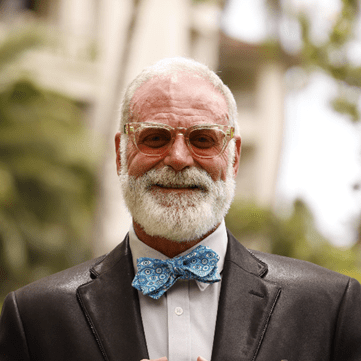
  • Who Is Dr. William Seeds?
    Dr. William Seeds, Orthopedic Surgeon and Peptide Expert.

    Dr. William Seeds is an orthopedic surgeon and arguably the leading voice in Cellular Medicine and Peptide Therapy. As the founder of the Seeds Scientific Research & Performance (SSRP) Institute, his credentials include over 25 years of surgical practice and a role as a consultant for major sports leagues (NHL, MLB, NBA).

    His lane is metabolic flexibility and tissue repair. He is the author of Peptide Protocols, which serves as a guide for clinicians learning how to use signaling agents (like BPC-157 or GLP-1s) to treat inflammation, autoimmune issues, and injury. His approach is highly scientific, focusing on “Redox signaling”, the idea that keeping cells in an optimal state of chemical balance is the key to longevity.

    Controversies & Reputation: Dr. Seeds is widely respected as a pioneer, but his proximity to the “biohacking” fringe has drawn scrutiny. Because he advocates for the use of peptides, many of which are not yet FDA-approved for the specific uses he discusses, he is sometimes grouped with “alternative” doctors by mainstream skeptics.

    Additionally, his focus on “natural” cellular optimization over traditional pharmaceuticals occasionally leads to debates regarding the long-term safety of unregulated peptides. For a seeker, Dr. Seeds offers a scientifically grounded path into the world of peptides, provided you are comfortable navigating the “off-label” nature of cellular medicine.

    You can find out more about Dr. William Seeds and his mission on his website:   SSRP Institute

  • Who is Alice Ball?

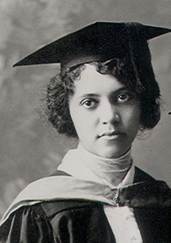
    In the annals of medical history, countless breakthroughs have saved lives and alleviated suffering. Yet, the names behind some of the most profound discoveries remain shrouded, often due to the systemic biases that plagued scientific institutions for centuries. One such name is Alice Ball, a brilliant chemist whose innovative treatment for leprosy transformed the lives of thousands, only for her contributions to be nearly erased from history.

    Born in Seattle, Washington, in 1892, Alice Augusta Ball was a trailblazer from a young age. Her family was educated and supportive, fostering an environment where her intellectual curiosity could flourish. She excelled in science, earning degrees in pharmaceutical chemistry and pharmacy from the University of Washington. Her academic prowess led her to the University of Hawaii, where she became the first woman and the first African American to earn a Master’s degree from the institution. This was a remarkable achievement in itself, at a time when opportunities for women and people of color in higher education, especially in scientific fields, were severely limited.

    Ball’s master’s research focused on the chemical properties of Piper methysticum, also known as kava, and its active compounds. Her exceptional skill in isolating active compounds and developing purification methods quickly caught the attention of Dr. Harry Hollmann, a surgeon at Kalihi Hospital in Hawaii, which specialized in treating leprosy.

    At the turn of the 20th century, leprosy (Hansen’s disease) was a devastating and highly stigmatized illness with no effective cure. Patients were often exiled to isolated communities, like the infamous Kalaupapa settlement on Molokai, where they lived out their lives in segregation and despair. The most promising treatment at the time involved chaulmoogra oil, derived from the seeds of the Hydnocarpus wightianus tree. However, this oil was thick, insoluble in water, and intensely irritating when applied to the skin or ingested. Patients often experienced severe nausea and vomiting, making sustained treatment nearly impossible.

    Dr. Hollmann desperately needed a way to make chaulmoogra oil tolerable and effective. He recognized Alice Ball’s unique talents in chemistry and approached her to find a solution. Ball, still in her early twenties, took on the monumental challenge. Through rigorous experimentation, she devised a revolutionary method: she isolated the active ester compounds from chaulmoogra oil and, more importantly, chemically modified them to create a water-soluble, injectable form. This “Ball Method” meant the drug could be safely administered intravenously or intramuscularly, allowing it to be absorbed effectively by the body without the horrendous side effects of the raw oil.

    The impact was immediate and profound. Patients who had previously suffered immensely from chaulmoogra oil could now receive consistent treatment. Many showed remarkable improvement, and some were even able to leave the leper colonies and return to their families. The Ball Method became the standard treatment for leprosy worldwide for decades, until the advent of multi-drug therapy in the 1940s.

    Tragically, Alice Ball did not live to see the full impact of her discovery or receive the recognition she deserved. She fell ill during her research, possibly due to exposure to toxic chemicals in the lab, and returned to Seattle for treatment. She passed away on December 31, 1916, at the tender age of 24. Her death certificate cited tuberculosis as the cause, though the full circumstances remain somewhat unclear.

    Before she could publish her groundbreaking findings, her life was cut short. Following her death, Dr. Arthur Dean, the president of the University of Hawaii and a chemist himself, continued her work. He began producing large quantities of the injectable chaulmoogra oil, but he published the results without giving Alice Ball any credit, even going so far as to call it “The Dean Method.” This blatant act of intellectual theft stripped Ball of her rightful place in medical history.

    It took years for the injustice to be rectified. Dr. Harry Hollmann, the physician who initially sought Ball’s help, publicly advocated for her recognition, publishing an article in 1922 that credited her with the discovery. However, the “Dean Method” persisted in medical literature for too long. Only in recent decades has her story been brought to light, largely thanks to the efforts of historians and scientists who recognized the systemic erasure of women and minorities from scientific narratives.

    Today, Alice Ball is celebrated as a pioneer. The University of Hawaii has honored her with a plaque and scholarships in her name. Her legacy stands as a powerful reminder of the hidden figures of science and the importance of ensuring that credit is given where it is due, regardless of gender or race. Her brilliance not only offered hope and healing to countless leprosy patients but also illuminated the path for future generations of diverse scientists.

  • Who is Dr. Trevor Bachmeyer?

    Who is Dr. Trevor Bachmeyer?

    If you’ve spent any time scrolling through fitness Instagram or searching for ways to fix a nagging shoulder impingement, you’ve likely encountered the high-intensity, no-nonsense presence of Dr. Trevor Bachmeyer. Known to his millions of followers as the mastermind behind SmashweRx, Bachmeyer has carved out a unique—and often polarizing—lane in the modern human performance landscape.

    Whether you’re a “gym bro” looking for peak hypertrophy or a biohacker hunting for longevity secrets, here is the breakdown of the man often called the “fittest doctor on earth.”


    The Bio: A Story of Survival

    Dr. Trevor Bachmeyer’s personal brand is built on a foundation of extreme resilience. His “claim to fame” isn’t just his physique; it’s his medical history. Bachmeyer is a cancer survivor who has faced incredible odds, including a diagnosis of Stage 3B Non-Hodgkin’s Lymphoma and a major surgery in 2021 to remove a massive tumor and his entire left lung.

    His transition from a “medical death sentence” to a high-performance athlete forms the core of his message: that the human body is capable of far more than traditional medicine often suggests.

    Education and Professional Background

    Bachmeyer is a Doctor of Chiropractic (DC). While his “Dr.” title is sometimes a point of contention among critics who distinguish between chiropractors and medical doctors (MDs), his educational background focuses heavily on musculoskeletal health, biomechanics, and rehabilitation. This expertise led to the creation of his most famous business, SmashweRx, which focuses on “smashing” through mobility restrictions and chronic pain without surgery or drugs. 

    While Dr. Trevor Bachmeyer is widely known for his high-performance advice, his professional standing as a licensed chiropractor has been a subject of significant scrutiny. For those following his journey, the circumstances surrounding his license are as unconventional as his training methods.

    The Revocation of His License

    Dr. Bachmeyer’s license to practice chiropractic in California (DC 29377) was officially revoked on July 8, 2020, by the California Board of Chiropractic Examiners. This was not a sudden event but the culmination of several years of disciplinary oversight and administrative failures.

    The board cited several specific reasons for the revocation, categorizing them under unprofessional conduct:

    • Failure to Provide Verification of Continuing Education: A standard requirement for maintaining professional credentials that Bachmeyer failed to meet.
    • Failure to Provide Patient Records: He did not comply with board requests for patient documentation, which is a critical regulatory obligation.
    • Failure to Comply with Probation Terms: Prior to the full revocation, Bachmeyer was already on probation. The board determined he had failed to meet the specific “terms and conditions” set forth during that period.

    Transition to Performance Coaching

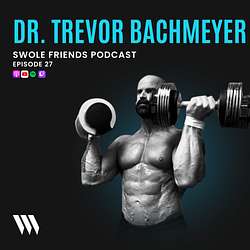
    Dr. Trevor Bachmeyer. Swoll Friends podcast

    The loss of his license marked a definitive shift in his career. Rather than fighting to regain his clinical credentials, Bachmeyer leaned fully into his digital persona and the SmashweRx brand. By moving away from a traditional clinical practice, he positioned himself as a “human performance specialist” rather than a practicing chiropractor, allowing him to bypass the rigid regulations of state boards while still utilizing his knowledge of biomechanics.

    This transition has allowed him to speak more freely and controversially about topics like peptides and hormone optimization, which often fall outside the traditional scope of chiropractic care. While the revocation remains a point of criticism for those who value institutional credentials, his millions of followers often view it as part of his “renegade” identity, a man who stepped outside the system to teach what he believes really works.

    His Lane: Biohacking and Human Performance

    In the crowded world of fitness influencers, Bachmeyer occupies the “High-Performance Longevity” lane. He doesn’t just preach getting big; he preaches being “tactically ready.”

    • Muscle Building & Peptides: He is a vocal advocate for optimizing hormones and utilizing peptides to bypass the “dogma” of the traditional healthcare system.
    • The Spartan Mindset: Through his businesses like The Spartan Army and G Life, he merges physical training with a “warrior” psychological approach, targeting military operators, elite athletes, and high-level entrepreneurs.

    Personal Style and “Bro Science” Appeal

    Bachmeyer’s delivery is pure “alpha” energy. He often records videos in a shirt and tie or tactical gear, speaking in absolutes with a blunt, direct tone. He effectively bridges the gap between clinical knowledge and “bro science”, using technical terms to explain why your deadlift is killing you, while maintaining the raw intensity that resonates with the gym-going public.

    Social Media Presence

    Bachmeyer is a heavyweight in the digital space:

    • Instagram (@smashwerx): Over 1.4 million followers.
    • YouTube: A massive library of mobility and training content under the SmashweRx banner.
    • Other Ventures: He is the CEO of multiple companies, including BodyHacks, FitX365, and the performance coaching firm Diced.

    The Controversy: The CrossFit Ban

    You can’t discuss Bachmeyer without mentioning the 2017 CrossFit Games scandal. Bachmeyer was disqualified and banned for four years after it was discovered he had doctored his video submission for the 17.5 Open workout. CrossFit HQ determined he had filmed one round and looped it to make it look like ten.

    Bachmeyer eventually issued a public apology, citing an ego-driven “bad decision” fueled by a narrow focus on winning. While this remains a stain on his competitive credibility, it hasn’t stopped his growth as a coach and influencer.

    Credibility and Ranking

    Where does he rank? In the world of mobility and rehab, many compare him to a more aggressive, “street-version” of Kelly Starrett. While the medical establishment may eye his holistic/chiropractic claims with skepticism, his followers swear by his results.

    The Verdict: If you value raw intensity, “root cause” biohacking, and a “no-excuses” mentality, Bachmeyer is a top-tier resource. If you prefer your doctors to be traditional and your athletes to have a clean competi To stay connected with Dr. Trevor Bachmeyer and his various training platforms, here is the official list of his websites and social media channels:

    Primary Websites

    Social Media Channels

  • Who Is Dr. Alex Tatem?
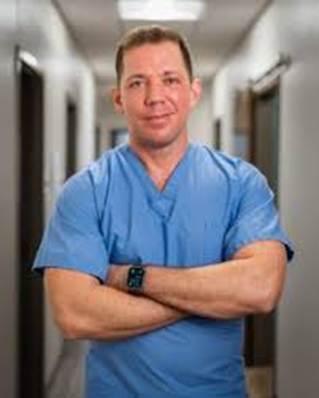
    Dr. Alex Tatem, Urologic Surgeon and Podcaster.

    Dr. Alex Tatem is a board-certified urologist and fellowship-trained expert in Men’s Health, currently practicing at the Men’s Health Center at Urology of Indiana. His credentials are robust: he earned his MD from the Medical College of Georgia and completed advanced training in Male Sexual and Reproductive Medicine at the prestigious Baylor College of Medicine.

    His “lane” is the surgical and clinical restoration of male function. While many influencers focus on general “wellness,” Tatem specializes in high-volume prosthetic urology (penile implants), male fertility, and the management of low testosterone. His approach is traditionally medical, grounded in peer-reviewed research and a patient-centered philosophy he calls “The Tatem Theory,” which emphasizes transparency and specialized care pathways.

    Dr. Tatem’s claim to fame in the social media space is his role as an educator and “myth-buster.” He is frequently interviewed by major news outlets regarding the dangers of fitness products targeting teens and the misuse of Selective Androgen Receptor Modulators (SARMs).

    Dr Alex Tatem, Urologic Surgeon and Podcaster.

    Dr. Tatem’s knowledge of PEDS including SARMS, Androgenic and Anabolic Steroids is extensive as well as the latest data on Bioactive Peptides.  In addition to beginning his YouTube videos and reels with a medical disclaimer, Dr. Tatem’s makes it exceedingly clear that he is not advocating the use of these agents, many of which are illegal substances, banned substances, substance which failed clinical trials although expressing his awareness that there are performance enthusiasts and bodybuilders who do use these substance.  He emphasizes the danger in the lack of rigorous trials to determine safety and efficacy.  He comes from a vantage point of understanding the basic medical science, mechanisms and pharmacology issues surrounding these agents and shares that knowledge so that people can use the best judgment.

    Controversies & Reputation: Dr. Tatem has a stellar reputation within the medical community and is often seen as a reliable counterweight to the “non-doctor” influencers. However, he has faced criticism from the “natural” community for his work with cosmetic girth enhancement fillers. Critics argue that medicalizing cosmetic enhancement can prey on male insecurities, though Tatem defends the practice by emphasizing safety and standardized medical protocols over unregulated alternatives. For a seeker, he is the definitive source for male-specific biological restoration, though his focus is more clinical than “biohacking.”

    To learn more about Dr. Alex Tatem, visit his website at  MENS HEALTH INDIANA or his YouTube channel  at  @DrAlexTatem

  • Who is Marthe Gautier?

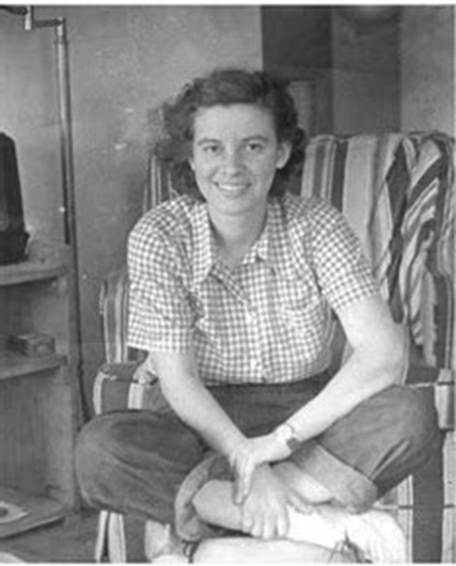
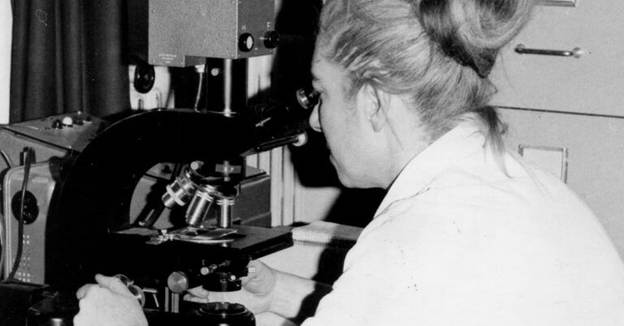
    Medical breakthroughs are often attributed to the “great men” who lead the laboratories, but the true labor of discovery frequently happens at the hands of those they supervise. Marthe Gautier, a French pediatrician and researcher, is the woman who actually looked through the microscope and discovered the chromosomal cause of Down syndrome. Yet, for over half a century, the credit for this discovery was hijacked by her colleague Jérôme Lejeune, leaving Gautier in a decades-long struggle for recognition.

    Martha Gautier - Discovered the Chromosomal Abnormality of Down Syndrome.

    Born in 1925, Gautier was a brilliant medical student who specialized in pediatrics. In the mid-1950s, she received a scholarship to study at Harvard, where she learned the cutting-edge techniques of cell culture. Upon returning to France, she joined the laboratory of Raymond Turpin at Trousseau Hospital. Turpin had long hypothesized that Down syndrome was caused by a chromosomal abnormality, but he lacked the technical skill to prove it. Gautier, with her Harvard training, was the missing link.

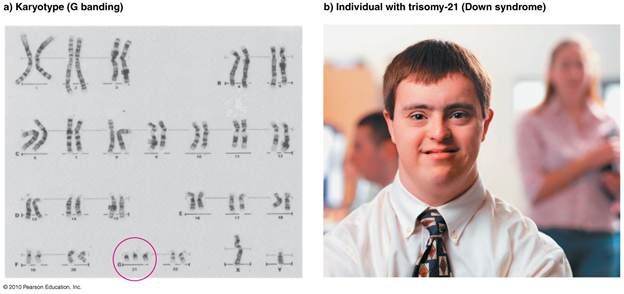
    Working in a cramped, poorly equipped lab, Gautier managed to culture cells from patients with Down syndrome—a feat that was notoriously difficult at the time. In May 1958, while examining the cells under a microscope, she counted 47 chromosomes instead of the usual 46. She had discovered Trisomy 21.

    Down Syndrome is caused by the extra Chromosome at 21.  Trisomy 21

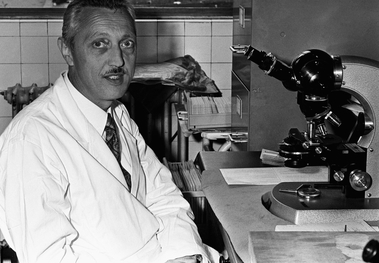
    Lacking a high-quality camera to document her findings, she handed her slides to Jérôme Lejeune, a younger researcher in the lab, so he could photograph them at another facility. Instead of simply taking photos, Lejeune took the slides to an international conference and presented the discovery as his own. When the landmark paper was published in 1959, Lejeune was listed as the first author, and Gautier’s name was misspelled and relegated to a secondary position.

    Jerome Lejeune took the slides prepared by Marthe Gautier under the guise of taking photos, but instead presented the slides at an international conference and claimed credit for her work.

    Lejeune, the true villain of this story, went on to become a world-renowned figure, receiving the Kennedy Prize and being nominated for a Nobel. Gautier, disillusioned by the theft of her work, eventually left the field of genetics to practice clinical pediatrics. It wasn’t until the 21st century, in her late 80s, that she was finally honored by the French Society of Human Genetics and awarded the Legion of Honour, officially restoring her place as the true discoverer of the extra chromosome.

  • Who Is Vigorous Steve?

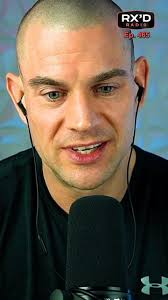
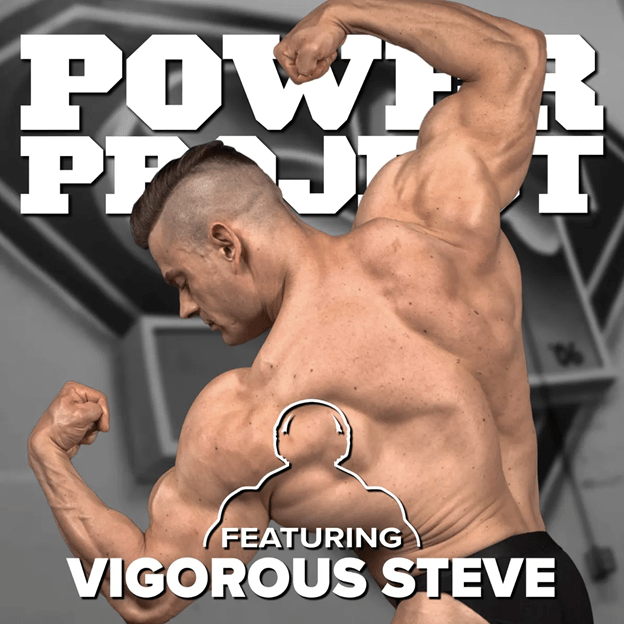
    Stephan, known online as “Vigorous Steve,” is a Thailand-based fitness educator and coach who has become one of the most respected “encyclopedias” of the underground fitness world. He has an expansive following on YouTube and Instagram in addition to 320,000 downloads of his podcast by loyal viewers.  Typically, his podcasts are 2 hours long or longer, and he takes questions from his viewers in real time.  The question can be very specific and esoteric.  There would be no way for one to be able to respond to some of the most specific questions in real time unless they had expertise of a well-seasoned scientist or medical provider. Unlike many on this list, Steve has no formal medical credentials; his background is in financial consulting, another topic on which he is very well-versed.  With his massive physique, no doubt built with hours in the gym using great technique, it is hard to see how he would have time to be a financial consultant, a podcaster all while raising a family. Whether there questions or discussion surrounds, obscure steroids, specific stacking protocols, cutting protocols, Bioactive peptides, their mechanisms, their protocols, side effects, SARMS_he knows it all. Better than a biochemist and pharmacologist.   He is immersed in the literature on these agents, and use the platform to share his experience and knowledge about them.If he were to be assigned a lane in the Biohacker, Bodybuilding, Bro Science or Human Performance space, his lane is “Harm Reduction through Transparency.”  And his lane seems to encompass all of those areas.

    Vigorous Steve - Bodybuilder

    Steve’s approach is defined by meticulous self-experimentation and an almost academic obsession with blood work and pharmacology. He gained massive credibility for his “BioBros” podcast and his YouTube channel, where he documents his own “stacks”—everything from hair-loss treatments to complex steroid cycles—with brutal, data-driven honesty. He is the person many influencers secretly go to for advice on how to use substances while minimizing organ damage.

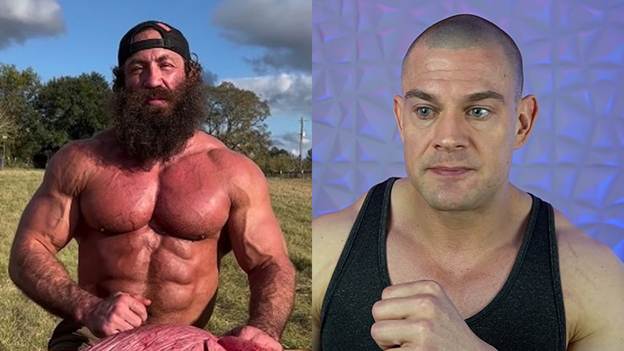
    His reputation is generally very high among serious lifters because he doesn’t sell a “natural” fantasy. However, his controversies are tied to his association with “fringe” figures; he was notably a coach for The Liver King, which brought him into the crosshairs of the 2022 steroid scandal. It was actually Vigorous Steve who leaked the text messages which exposed Liver King as having achieved his extreme gains in muscle, not with his Ancestral and primal protocols, but with high doses of anabolic steroids and Growth Hormones, totaling about $11,000 dollars a month. While Steve wasn’t the one lying, his role as a “chemist” for high-profile figures makes him a polarizing character. For a seeker, he is an invaluable source for understanding the real mechanics of PEDs, but his advice is definitely “off-label” and should never replace a doctor’s guidance.

    Vigorous Steve was a coach for The Liver King,

    But for those who want to marvel in the latest data and knowledge about some of the most fascinating compounds in recent history, you can easily be informed and entertained by his vast fund of knowledge.

    You can find more information about Vigorous Steve on his Youtube channel – @VigorousSteve

  • Who is Lise Meitner?

    In the annals of scientific discovery, few breakthroughs have been as transformative, or as terrifying, as the splitting of the atom. This monumental achievement, which unlocked the secrets of nuclear energy and weaponry, stands as one of the defining moments of the 20th century. Yet, the name most widely associated with the theoretical explanation of this phenomenon, Lise Meitner, was conspicuously absent from the Nobel Prize podium, a glaring omission that stands as a stark example of scientific injustice compounded by gender and ethnic prejudice.

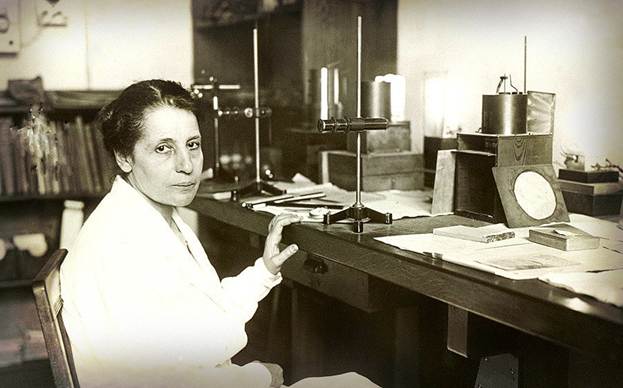
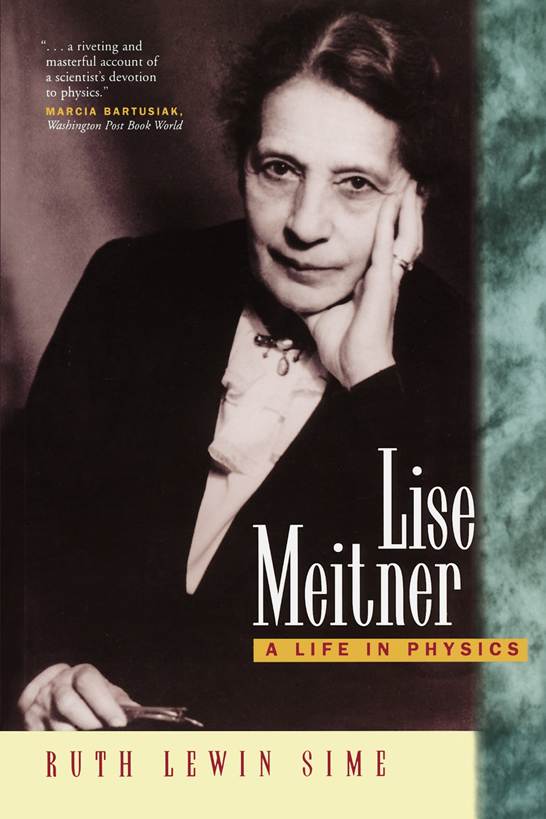
    Lise Meitner, Nuclear Physicist
    Lise Meitner, Nuclear Physicist

    Born in Vienna, Austria-Hungary, in 1878, Lise Meitner displayed an early aptitude for mathematics and physics. Despite societal barriers that limited educational opportunities for women, her family supported her intellectual pursuits. She pursued higher education, eventually earning a doctorate in physics from the University of Vienna in 1906, becoming only the second woman to do so. Her early work focused on radioactivity, a field that was still in its infancy.

    In 1907, Meitner moved to Berlin, a vibrant hub of scientific research, hoping to work with the renowned chemist Otto Hahn. Their collaboration began under restrictive circumstances due to Meitner’s gender; she was initially not allowed to work in the main laboratories and had to conduct her research in a repurposed carpentry workshop in the basement. Despite these demeaning conditions, their partnership flourished. For over three decades, Meitner and Hahn formed a highly productive team, studying radioactivity and nuclear physics. Meitner, a brilliant physicist, often provided the theoretical framework and conceptual insights, while Hahn, a skilled experimental chemist, performed many of the chemical separations.

    In 1912, Hahn and Meitner moved to the newly founded Kaiser Wilhelm Institute (KWI) for Chemistry in Berlin. Hahn accepted an offer to become a junior assistant in charge of its radiochemistry section, which was the first lab of its kind in Germany. The job came with the title of “professor” and a salary of 5,000 marks per year (equivalent to €29,000 in 2021). Unlike the universities, the privately funded KWI had no policies excluding women, but Meitner worked without pay as a “guest” in Hahn’s section.

    Meitner later earned a salary, although dwarf-size in comparison to her partner and collaborator.  Hahn and Meitner’s salaries would soon be dwarfed by royalties from Mesothorium (“middle thorium”, radium-228, also called “German radium”).  This new radioactive element they discovered and characterized had  important clinical applications.  Hahn received 66,000 marks in 1914 (equivalent to €369,000 in 2021). He gave ten per cent to Meitner.  A few years later, Meitner wanted to leave to return closer to her home.  The Institute recognized her value, and Fischer arranged for her salary to be doubled.  But 3,000 marks (equivalent to €17,000 in 2021) was still infinitesimal compared to the salaries of the men.  She stayed.

    Their most significant work began in the late 1930s, as they investigated the products formed when uranium was bombarded with neutrons. Scientists around the world, including Enrico Fermi, were attempting to create new, heavier elements (transuranic elements) by this method. Meitner and Hahn, along with their assistant Fritz Strassmann, were also pursuing this line of inquiry.

    However, the political climate in Germany rapidly deteriorated. Meitner, who was of Jewish descent, became increasingly imperiled by the Nazi regime’s persecution. In July 1938, she was forced to flee Germany with few possessions, escaping to Sweden with the help of colleagues. Her abrupt departure meant she could no longer directly participate in the experiments, but her intellectual collaboration with Hahn continued through letters and clandestine meetings.

    It was through this correspondence that Hahn communicated to Meitner his puzzling experimental results: when uranium was bombarded with neutrons, it appeared to produce lighter elements, specifically barium. Hahn, a chemist, was baffled. He wrote to Meitner: “Perhaps you, Lise, can suggest some fantastic explanation.”

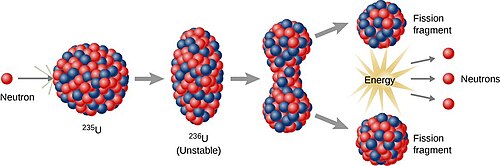
    Meitner, collaborating with her nephew, physicist Otto Frisch, who was also a refugee in Sweden, meticulously analyzed Hahn’s data. During a winter walk in the snow, a brilliant idea struck them. They realized that the uranium nucleus, instead of merely being modified, had actually split into two smaller nuclei, releasing an enormous amount of energy in the process. Frisch coined the term “fission” for this new nuclear process, borrowing it from biology.

    Uranium  Nuclear Fission

    Their paper, “Disintegration of Uranium by Neutrons: A New Type of Nuclear Reaction,” published in Nature in January 1939, provided the first theoretical explanation of nuclear fission, applying Einstein’s famous equation E=mc2 to calculate the immense energy released. This groundbreaking insight not only explained Hahn’s baffling results but also opened the door to the atomic age.

    The scientific world was electrified. However, when the Nobel Prize in Chemistry was awarded in 1944 “for his discovery of the fission of heavy nuclei” it went solely to Otto Hahn. Meitner was completely overlooked. This exclusion was not merely an oversight; it was a deliberate act influenced by a combination of factors. Hahn, under pressure from the Nazi regime, had begun to downplay Meitner’s intellectual contributions after she fled Germany, to avoid associating his “German” discovery with a Jewish scientist. The Nobel Committee, possibly influenced by these political pressures and certainly by the prevailing sexism in science, failed to recognize her indispensable role.

    Despite the profound injustice, Meitner continued her research in Sweden, declining invitations to work on the Manhattan Project because she did not want to be involved in the creation of a weapon. She remained a fierce advocate for the peaceful use of atomic energy.

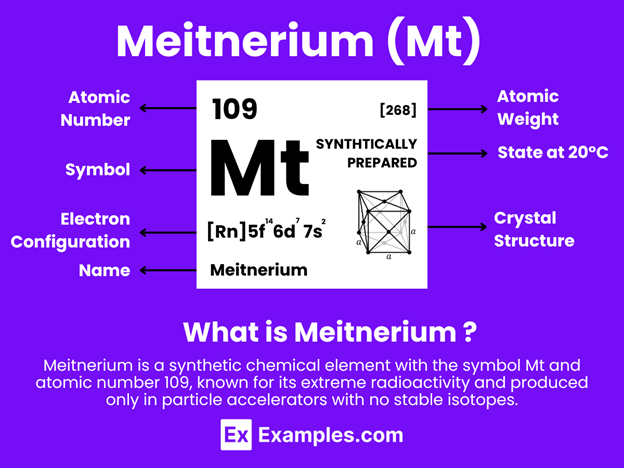
    Meitnerium.  Element 109 Named for Lise Meitner

    Lise Meitner received numerous other accolades throughout her life, including the Enrico Fermi Award in the U.S. (shared with Hahn and Strassmann), and has a chemical element, Meitnerium (Mt), named in her honor. Yet, the absence of the Nobel Prize for her foundational work on nuclear fission remains one of the most glaring errors in the Nobel Committee’s history. Her story is a powerful testament to the brilliance that can emerge even from the most oppressive conditions, and a stark reminder of the battles against sexism and prejudice that women scientists have historically faced, often robbing them of their rightful place in the pantheon of scientific giants.

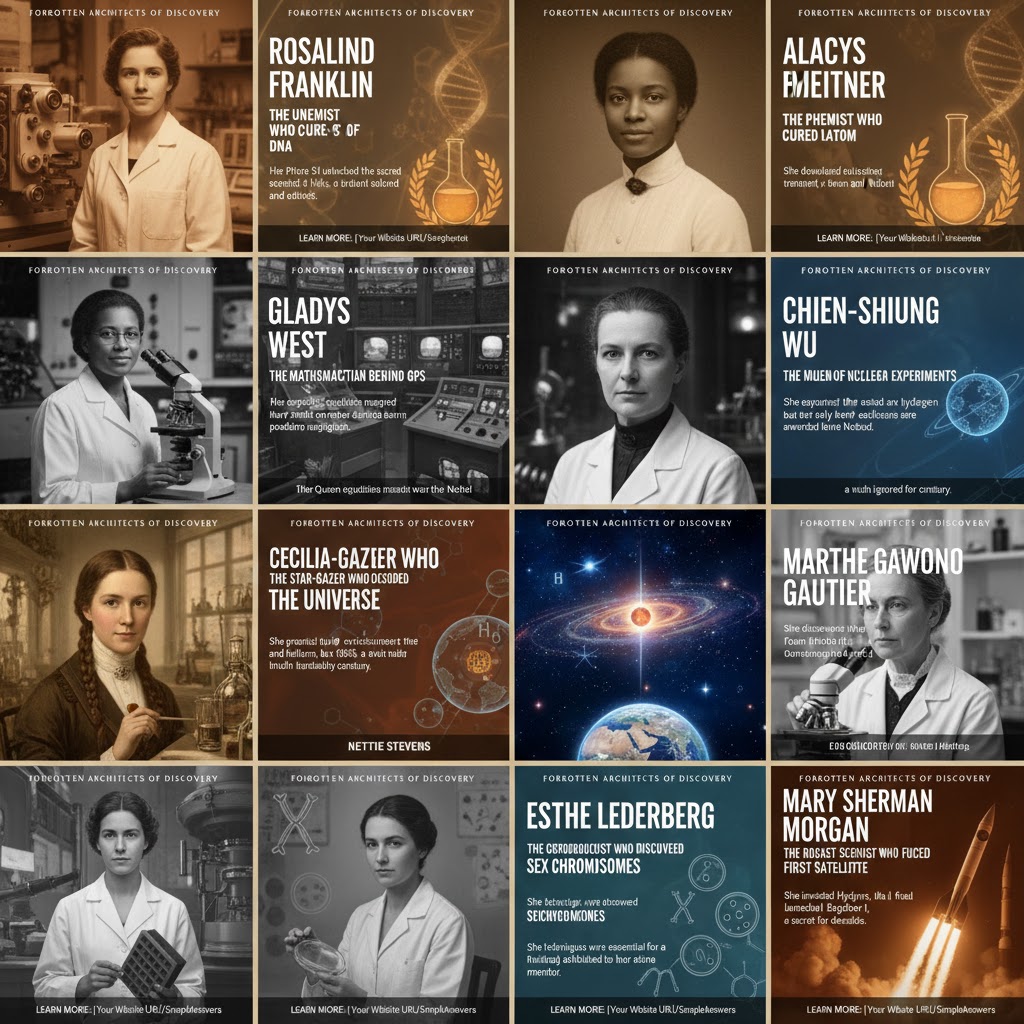
  • Forgotten Architects: The Systematic Erasure of Women in Science: The Matilda Effect

    History is often written by those who stay in the room after the work is done, and for centuries, women were systemically ushered out of that room. The stories of these eleven scientists reveal a recurring pattern: a woman performs the grueling laboratory work, achieves a conceptual breakthrough, and then watches as a male colleague—often a mentor or a spouse—claims the accolade.

    This phenomenon is known as the Matilda Effect, a term coined by Margaret W. Rossiter to describe the systematic denial of the contributions of women scientists. From the vacuum of space to the microscopic double helix of our own genetic code, these women didn’t just contribute to science; they founded its most critical pillars.

    The Anatomy of a “Raw Deal”

    The mistreatment of these women typically fell into three categories:

    1. Intellectual Theft: As seen with Alice Ball and Marthe Gautier, male superiors took raw data or specific methodologies and published them under their own names, banking on the fact that a woman’s claim to the work would be ignored by the academic establishment.
    2. The “Assistant” Label: Women like Nettie Stevens and Esther Lederberg were often dismissed as mere technicians or “help-mates.” Their labor was seen as mechanical rather than intellectual, allowing men to claim the “visionary” status required for awards like the Nobel Prize.
    3. Active Exclusion: Chien-Shiung Wu and Lise Meitner faced the double hurdle of sexism and political or ethnic bias. Despite providing the experimental proof for world-altering theories, the Nobel committees simply chose to look the other way, rewarding their male peers instead.

    Why Their Stories Matter Today

    For many of these women, recognition came far too late. Eunice Newton Foote lay forgotten for 150 years before a retired geologist happened upon her paper in a 2010 search, finally giving her the credit for discovering the greenhouse effect. Gladys West lived long enough to see her work on GPS celebrated, but only after she reached her late eighties.

    By telling these stories, we do more than just correct the record; we challenge the “Great Man” theory of history. These women succeeded despite being barred from universities, denied funding, and ignored by journals. Their genius was not just in their discoveries, but in their resilience. As we move forward, acknowledging their work ensures that the next generation of scientists is judged by the quality of their data, not the gender of the researcher.

    More stories at www.bedsidemanners.com

  • What Is GHK-Cu? The Copper-Peptide Complex affecting Inflammation and Hair Growth, Part 3

    The Antioxidant and Anti-Inflammatory Cascade

    Aging is fundamentally a process of accumulating oxidative damage and chronic inflammation—a state often called “inflammaging.” Chronic low-grade inflammation breaks down tissue, impairs regeneration, and accelerates aging across all organ systems. GHK-Cu addresses both oxidative stress and inflammation through multiple mechanisms.

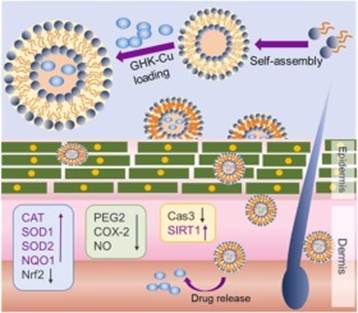
    By delivering copper to Superoxide Dismutase enzymes, GHK-Cu enhances the neutralization of superoxide radicals—highly reactive oxygen species that damage proteins, lipids, and DNA. SOD catalyzes the conversion of superoxide into hydrogen peroxide and oxygen. While hydrogen peroxide can itself be damaging, it’s much less reactive than superoxide and is subsequently broken down by catalase and glutathione peroxidase. The result is a cascading antioxidant effect.

    GHK-Cu and Inflammation

    GHK-Cu dramatically reduces lipid peroxidation, the oxidative damage to cell membrane lipids that creates toxic breakdown products like malondialdehyde and 4-hydroxynonenal. These aldehydes are highly reactive and can form adducts with proteins and DNA, propagating damage. Studies have shown that GHK-Cu can reduce lipid peroxidation markers by up to fifty-two percent, essentially halving the rate at which cell membranes are being destroyed by oxidative stress.

    The peptide also reduces protein carbonylation, a form of oxidative damage where carbonyl groups are added to protein side chains. Carbonylated proteins lose their function and often aggregate, contributing to cellular dysfunction. This is particularly relevant in aging, where protein quality control systems become less efficient and carbonylated proteins accumulate.

    On the anti-inflammatory front, GHK-Cu suppresses the production of pro-inflammatory cytokines through several mechanisms. It inhibits Nuclear Factor kappa B, a master transcription factor that turns on inflammatory genes. NF-κB is normally sequestered in the cytoplasm, bound to inhibitory proteins. When inflammatory signals arrive—from pathogens, damage, or stress—NF-κB is released and translocates to the nucleus, where it activates genes encoding IL-1β, IL-6, TNF-α, and other inflammatory mediators. GHK-Cu interferes with this activation sequence, keeping NF-κB in its inactive state.

    The peptide also modulates Transforming Growth Factor beta-1, a double-edged sword in tissue biology. TGF-β1 is necessary for wound healing and immune regulation, but when chronically elevated or dysregulated, it drives fibrosis—the excessive deposition of disorganized collagen that creates scar tissue. In liver cirrhosis, kidney fibrosis, and cardiac fibrosis, runaway TGF-β1 signaling is a central pathological mechanism. GHK-Cu appears to normalize TGF-β1 levels, promoting healing without excessive scarring.

    GHK-Cu also reduces mast cell degranulation. Mast cells are immune cells that release histamine and other inflammatory mediators when activated. They play important roles in allergic responses and defense against pathogens, but chronic mast cell activation contributes to inflammatory skin conditions, irritable bowel syndrome, and other inflammatory disorders. By stabilizing mast cells, GHK-Cu lowers overall inflammatory tone.

    Effects on Hair Growth: The Follicle Regeneration Mechanism

    One of GHK-Cu’s most visible effects is its impact on hair growth, which operates through several distinct mechanisms that reveal its broader regenerative capabilities.

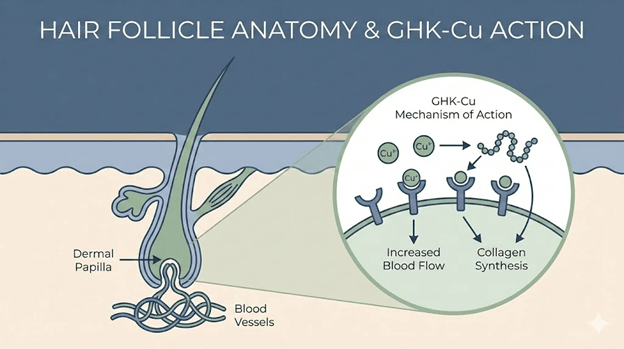
    GHK-Cu and the Hair Follicle

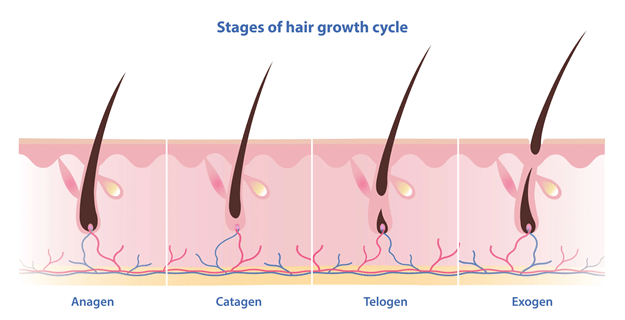
    Hair follicles contain stem cells in a region called the “bulge,” located near the attachment point of the arrector pili muscle (the muscle that causes goosebumps). These stem cells are normally quiescent, sitting dormant until activated by specific signals. Hair growth occurs in cycles: anagen (growth phase lasting two to seven years), catagen (transitional phase lasting about two weeks), and telogen (resting phase lasting two to four months). In pattern baldness and age-related hair thinning, follicles spend progressively less time in anagen and more in telogen, with each cycle producing finer, shorter hairs until the follicle eventually miniaturizes completely.

    Stages of Hair Growth Cycle

    GHK-Cu activates follicle stem cells, pushing follicles from telogen into anagen. The mechanism involves upregulation of Wnt signaling pathways and modulation of various growth factors that govern the hair cycle. Studies have shown that GHK-Cu can enlarge hair follicles that have undergone miniaturization, essentially reversing part of the balding process.

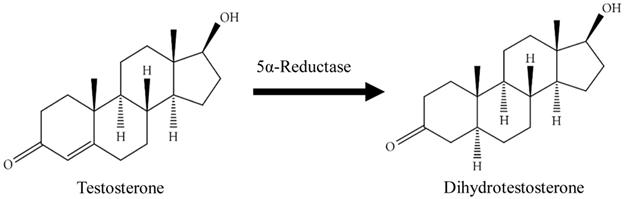
    The peptide also inhibits 5α-Reductase, the enzyme that converts testosterone to dihydrotestosterone. DHT is a potent androgen that miniaturizes hair follicles in genetically susceptible individuals, causing male and female pattern baldness. By reducing local DHT production in the scalp, GHK-Cu reduces the hormone’s damaging effects on follicles. This is the same mechanism exploited by finasteride, but GHK-Cu’s effect is localized rather than systemic, potentially avoiding the side effects associated with system-wide DHT suppression.

    5a-Reductase, Testosterone and DHT

    Like BPC-157, GHK-Cu promotes angiogenesis around hair follicles. Hair follicles are metabolically demanding structures—the matrix cells at the base of the follicle during anagen are among the most rapidly dividing cells in the body. This requires robust blood supply to deliver oxygen, glucose, amino acids, and other nutrients. Improved vascularization means better-nourished follicles capable of producing thicker, healthier hair shafts.

    GHK-Cu also suppresses TGF-β2, a different isoform from TGF-β1 that promotes apoptosis in hair follicle cells. TGF-β2 is thought to be one of the signals that pushes follicles from anagen into catagen, initiating the hair shedding process. By reducing TGF-β2, GHK-Cu allows follicles to remain in growth phase longer, increasing the length and density of hair.

    Continue with Part 4