• WHAT IS BIOHACKING?

    Taking Control of Your Biology

    Biohacking
    What is Biohacking?

    Biohacking sounds like something out of a sci-fi movie…implanting chips, editing genes, becoming superhuman. And while some of that exists on the extreme fringe, the reality is far more accessible and practical.

    Biohacking is the practice of using science, technology, and self-experimentation to optimize your body and mind beyond their default settings.

    Think of your body as hardware and your lifestyle as software. Most people run on the factory settings—whatever genetics, environment, and habit patterns installed by default. Biohackers refuse to accept these defaults. They ask: “What if I could upgrade my energy, cognitive performance, body composition, longevity, and overall quality of life through deliberate intervention?”

    The Core Principle

    At its heart, biohacking is about agency—taking active control rather than passive acceptance. It combines:

    • Science: Understanding the biochemical, physiological, and neurological mechanisms that govern how your body functions
    • Experimentation: Testing interventions on yourself and measuring results
    • Optimization: Continuously refining your approach based on data and outcomes

    This isn’t about following trends or quick fixes. It’s about understanding why something works (or doesn’t) at a mechanistic level, then applying that knowledge systematically.
    Data-driven, metrics, Biohacking

    The Spectrum of Biohacking

    Biohacking exists on a spectrum from simple to extreme:

    Foundational (Everyone Should Do This):

    • Optimizing sleep quality and circadian rhythm
    • Strategic nutrition timing and macronutrient ratios
    • Resistance training and cardiovascular exercise
    • Stress management and breathwork
    • Supplement protocols (vitamin D, omega-3s, magnesium)

    Intermediate (Data-Driven Optimization):

    • Continuous glucose monitoring to personalize diet
    • Wearable technology tracking (Oura Ring, WHOOP, Apple Watch)
    • Cold and heat exposure (ice baths, sauna protocols)
    • Intermittent fasting and metabolic flexibility training
    • Nootropics (compounds that enhance cognitive function)
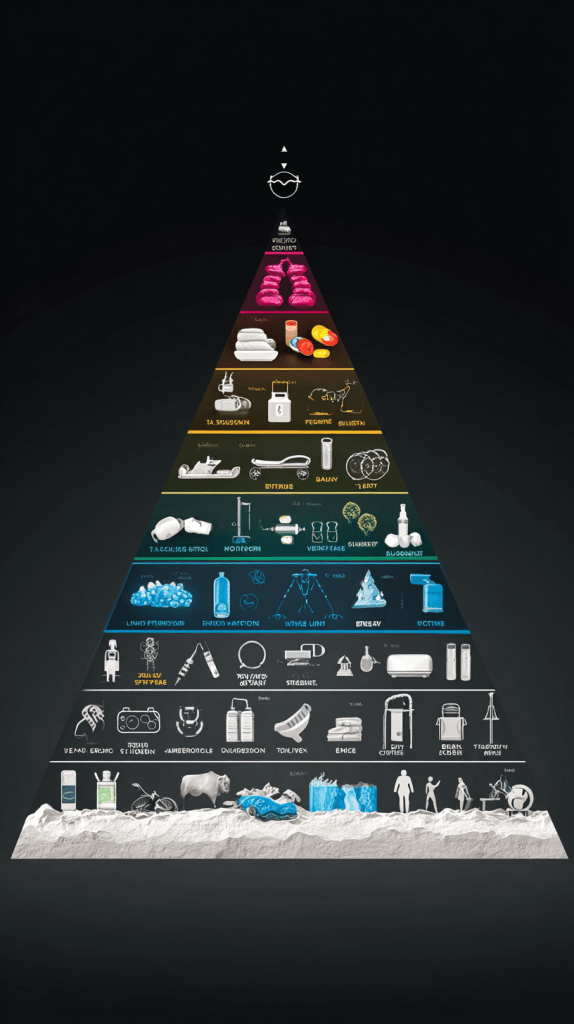
    The Hierarchy of Biohacking
    he Hierarchy of Biohacking

    Advanced (Requires Medical Supervision):

    • Peptide therapy (BPC-157, TB-500, growth hormone secretagogues)
    • Hormone optimization (testosterone, thyroid, etc.)
    • IV nutrient therapy and NAD+ infusions
    • Photobiomodulation (red light therapy, near-infrared)

    Extreme (Not for Most People):

    • Implantable devices and chips
    • Gene therapy and CRISPR applications
    • Experimental longevity drugs (rapamycin, metformin, senolytics)
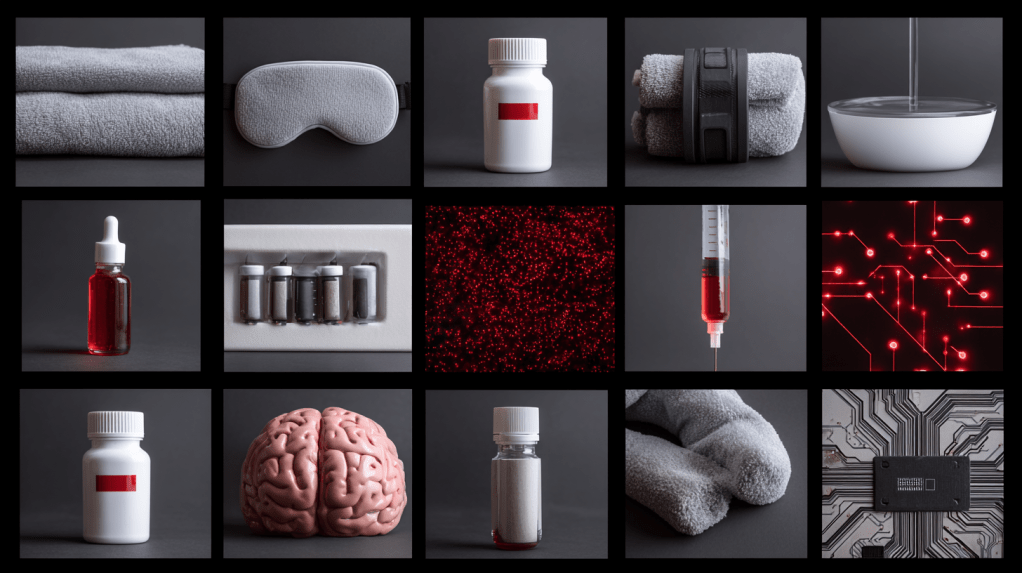
    Biohacking Modalities
    Biohacking Modalities

    Why Biohack?

    The modern environment is actively hostile to human health. We evolved for scarcity, movement, sunlight, and sleep—but we live in abundance, sitting, artificial light, and chronic stress. Our biology is mismatched with our environment.

    Biohacking for Wellness and Longevity
    Biohacking for Wellness and Longevity

    Biohacking bridges that gap. It’s about:

    • Reclaiming energy in a world designed to drain you
    • Building resilience against environmental stressors
    • Extending healthspan, not just lifespan (living longer well)
    • Maximizing performance physically, mentally, and emotionally

    The Biohacker’s Mindset

    What separates biohackers from people just “trying to be healthy”?

    The Biohacking Mindset
    The Biohacking Mindset

    1. Data over dogma: Biohackers measure. They track bloodwork, sleep metrics, body composition, cognitive performance. They don’t assume—they test and verify.

    2. Mechanistic understanding: It’s not enough to know “vitamin D is good for you.” Biohackers understand how: it acts as a steroid hormone, regulating over 200 genes, modulating immune function, and influencing neurotransmitter synthesis.

    3. Personalization: What works for one person may not work for another due to genetics, microbiome differences, and metabolic variability. Biohackers find their optimal protocol through experimentation.

    4. Continuous iteration: Your body changes. Your needs change. Biohacking isn’t a destination—it’s an ongoing process of refinement.

    The Bottom Line

    Biohacking isn’t about perfection. It’s about optimization. It’s about refusing to settle for “fine” when “exceptional” is achievable through deliberate intervention.

    You don’t need a lab, a medical degree, or unlimited resources to start. Begin with the fundamentals: fix your sleep, dial in your nutrition, move your body strategically, measure your progress.

    Then, layer in more advanced protocols as you learn what your body responds to.

    Your biology isn’t fixed. It’s malleable, adaptable, and waiting for you to take control.
    Biohacking

    The question isn’t whether you can biohack. The question is: why would you settle for anything less?


  • Pain Refugees: America’s Hidden Crisis

    Pain Refugees: America’s Hidden Crisis

    For decades, the American medical narrative was dominated by the “Opioid Crisis”—a tragic surge in addiction and overdose deaths fueled by aggressive pharmaceutical marketing and over-prescription. But as the pendulum of public policy swung violently in the opposite direction, it created a new, quieter catastrophe: the era of the Pain Refugee.

    Today, millions of Americans with chronic, intractable pain find themselves abandoned by a healthcare system that once promised them relief. In an effort to curb addiction, we have inadvertently institutionalized suffering, turning compliant patients into collateral damage in a bureaucratic war.

    The Pendulum Swing: From Excess to Exclusion

    The shift began in earnest around 2016, when the CDC released guidelines intended to reduce opioid prescriptions. While the intent was to prevent new cases of addiction, the execution was blunt. Insurance companies, pharmacies, and state medical boards began enforcing rigid “morphine milligram equivalent” (MME) caps.

    Suddenly, physicians were no longer treating patients; they were managing risk. Doctors, fearing DEA investigations or the loss of their licenses, began “force-tapering” or outright abandoning patients who had been stable on long-term opioid therapy for years. These patients—many with degenerative disc disease, CRPS (Complex Regional Pain Syndrome), or failed back surgeries—did not fit the profile of the “addict.” They were people for whom the medication provided a “functional life”—the ability to walk, work, and hug their grandchildren.

    Defining the Pain Refugee

    A Pain Refugee is a patient who has been “fired” by their clinic because their care is deemed too risky or complex. When their doctor retires or stops taking insurance, these patients find themselves in a medical wilderness. They go from clinic to clinic, only to be told, “We don’t prescribe that here,” or “We are not accepting new chronic pain patients.”

    This abandonment has a devastating physiological and psychological cost. When a stable patient is abruptly cut off from medication, they don’t just experience pain; they experience a systemic collapse. Chronic pain is not just a “feeling”—it is a neurological state that affects the cardiovascular system, sleep architecture, and endocrine function.

    The Biochemistry of Abandonment

    To understand why “just tapering off” isn’t a simple solution for these patients, we have to look at Neuroplasticity. In patients with intractable pain, the nervous system has often undergone “central sensitization.” The brain has “wound up” its pain signaling.

    When a patient is stable on a long-term dose, their body has reached a state of Homeostasis. Abruptly removing that chemical support without a viable, effective alternative doesn’t “cure” the patient; it leaves the nervous system in a state of permanent “alarm.” This often leads to “deaths of despair”—not from overdose, but from suicide driven by unbearable, unmanaged physical agony.

    The Pharmacy Gauntlet

    Even those who still have a willing doctor face the “Pharmacy Gauntlet.” Due to secret DEA-mandated quotas, pharmacists often find themselves unable to fill legitimate prescriptions. Patients are forced to drive hours to find a pharmacy that has their medication in stock, only to be treated with suspicion and judgment by staff who see every opioid prescription as a potential crime.

    For the Pain Refugee, the “system” that is supposed to heal them has become a source of trauma. They are forced to prove their suffering every thirty days, undergoing invasive urine screens and pill counts, often while being treated as “drug seekers” rather than patients with a documented medical need.

    The Result: A Generation in the Shadows

    The irony of the “War on Opioids” is that while legal prescriptions have plummeted, overdose deaths have continued to climb, driven primarily by illicit fentanyl. By focusing so heavily on legacy pain patients, the medical system has ignored the real drivers of addiction while punishing the most vulnerable.

    The Pain Refugee crisis is a failure of Individualized Care. We have replaced clinical judgment with algorithmic benchmarks. We have decided that a statistical reduction in pills is more important than the quality of life of a human being living with a shattered spine or a rare neurological disorder.

    Toward a Compassionate Solution

    Ending the crisis of the Pain Refugee requires a return to the “patient-centered” model of medicine. We must:

    1. Protect the Doctor-Patient Relationship: Physicians must be allowed to use their clinical judgment for stable, long-term patients without fear of professional ruin.
    2. Acknowledge the Difference between Dependence and Addiction: A patient whose body requires medication to function (dependence) is not the same as a patient using medication compulsively despite harm (addiction).
    3. Validate Intractable Pain: We must recognize that for a subset of the population, non-opioid alternatives (like NSAIDs or physical therapy) are simply insufficient for the severity of their pathology.

    We cannot fix the mistakes of the past by creating a future of forced suffering. It is time to bring America’s Pain Refugees out of the shadows and back into the care of a medical system that remembers its first vow: Primum non nocere—First, do no harm.

  • The GLP-1 Revolution: Beyond Weight Loss

    The GLP-1 Revolution: Beyond Weight Loss

    GLP-1, Semaglutide
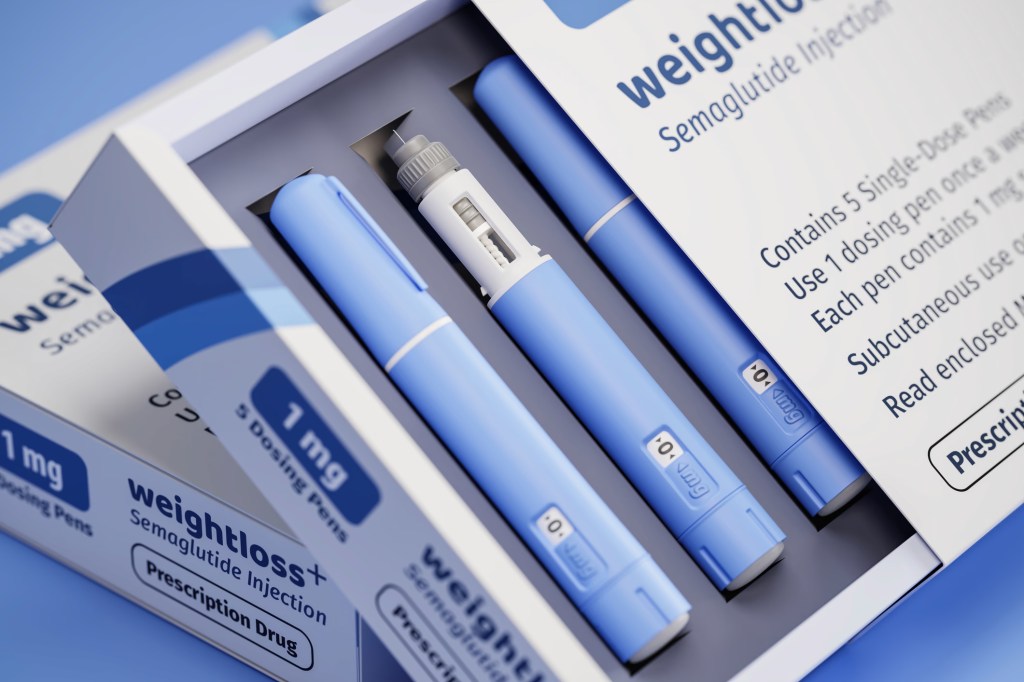
    Two packages of 5 dosing pens each of Semiglutide used for weight loss (antidiabetic medication or anti-obesity medication)

    We are currently living through the most significant pharmacological shift since the discovery of statins. Drugs like semaglutide (Ozempic/Wegovy) and tirzepatide (Mounjaro/Zepbound) have become household names, primarily marketed as “miracle” weight loss injections.

    However, if you view these strictly as “diet drugs,” you are missing the forest for the trees. By understanding the underlying biochemistry—the stuff often glossed over in 30-second TV commercials—we can see that these molecules are actually sophisticated metabolic regulators that influence everything from systemic inflammation to neuroprotection.


    The Molecular Architecture: What is GLP-1?

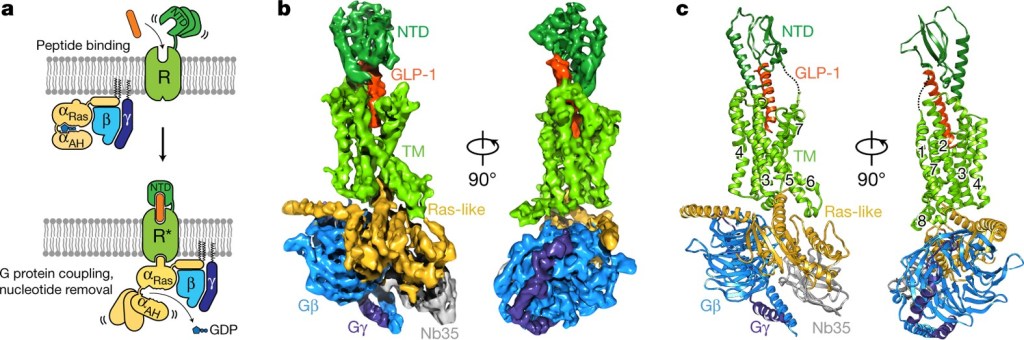
    To understand these drugs, we first have to understand the Incretin System. In nature, when you eat, your gut releases hormones called incretins. The most famous is Glucagon-Like Peptide-1 (GLP-1).

    In its natural state, GLP-1 has a “half-life” of about two minutes. It is released, it tells your pancreas to secrete insulin, and then it is immediately destroyed by an enzyme called DPP-4.

    “Big Pharma’s” genius wasn’t inventing GLP-1; it was re-engineering the molecule to survive. By swapping out specific amino acids and adding a fatty acid “tail” (a process we’ve discussed in our biochemistry series as acylation), they created a version that the body can’t easily break down. Instead of a two-minute half-life, semaglutide lasts for an entire week.


    The Dual-Action Secret: Tirzepatide

    While semaglutide mimics GLP-1, tirzepatide takes it a step further. It is a “Twincretin.” It mimics GLP-1 and another hormone called GIP (Glucose-dependent Insulinotropic Polypeptide).

    For years, scientists thought GIP was useless for weight loss. But at the molecular level, GIP acts as a “buffer.” It helps the body manage insulin while potentially reducing the nausea associated with GLP-1. This synergistic effect is why tirzepatide often shows superior weight loss results in clinical trials: it isn’t just shouting at the body to stop eating; it’s whispering to two different receptor systems at once.


    Beyond the Scale: The Systemic Impact

    Why does “Big Pharma” focus so heavily on weight loss? Because weight loss is a measurable, marketable outcome that justifies a high price tag. But the molecular mechanisms reveal benefits that have nothing to do with the number on your scale:

    1. Cardiovascular Protection (The “Inflammation Hack”)

    Recent trials (like the SELECT trial) showed a 20% reduction in major adverse cardiovascular events. Biochemically, GLP-1 receptors aren’t just in the gut; they are in the lining of your blood vessels. These drugs appear to reduce atherosclerosis (plaque buildup) by dampening the inflammatory response of macrophages—the white blood cells that normally turn into foam cells and clog arteries.

    2. Neuroprotection and Dopamine

    Perhaps the most “uncomfortable” area for traditional medicine is the effect these drugs have on the brain. GLP-1 receptors are found in the ventral tegmental area, the brain’s reward center. By modulating dopamine signaling, these drugs don’t just stop food cravings; anecdotally, patients are reporting a decreased desire for alcohol, nicotine, and even compulsive shopping. We are looking at a molecule that may fundamentally re-wire our relationship with “reward.”

    3. Kidney Health and Organ Repair

    Chronic kidney disease is often a death sentence for diabetics. However, GLP-1 agonists reduce oxidative stress in the renal tubules. By lowering the “metabolic noise” in the body, they allow organs that were previously under constant siege by high glucose to enter a state of repair.


    The “Muscle Waste” Controversy: The Structural Cost

    One area that requires critical thinking is sarcopenia, or muscle loss. When you lose weight rapidly on GLP-1s, about 25–40% of that weight can be lean muscle mass.

    From a biochemistry perspective, this happens because the body is in a profound caloric deficit. When the “Insulin Manager” we discussed in previous lessons is quiet, the body enters a catabolic state. To prevent this, users must prioritize high protein intake and resistance training to send a “structural signal” to the cells that says: Burn the lipids, keep the protein machinery.


    The “Big Pharma” Perspective: Why the Secrecy?

    Why don’t we hear more about the neuroprotective or anti-inflammatory aspects?

    • Regulatory Hurdles: It is much easier and faster to get FDA approval for “weight loss” or “diabetes” than for “general anti-aging” or “addiction.”
    • The Lifetime Customer: If these drugs are framed as a “lifestyle” fix for obesity, they become a permanent subscription. If they are understood as a short-term metabolic “reset” or an anti-inflammatory tool, the treatment window might be shorter.

    Conclusion: A Tool, Not a Crutch

    The GLP-1 revolution is about more than fitting into smaller clothes. It is a masterclass in how small changes to a peptide chain can exert massive control over the human “Control Center” (the receptors).

    Whether you are a skeptic or a proponent, understanding the biochemistry allows you to look past the marketing. These molecules are powerful “text messages” to your cells. The question is: are you ready to understand the language they’re speaking?

  • Hello World!

    Welcome to Unbedside Manners. So good to see you here.