What does the research actually say about these trending compounds — and are they worth adding to your stack?
Few categories in the wellness world straddle the ancient and the cutting-edge quite like adaptogens. Rooted in thousands of years of Ayurvedic and Traditional Chinese Medicine, these botanical compounds have recently attracted serious attention from researchers, longevity clinicians, and biohackers looking for evidence-based tools to manage chronic stress, sharpen cognition, and optimize hormonal health. But the question worth asking with the rigor the topic deserves is: does the science hold up?
What Exactly Is an Adaptogen?

The term “adaptogen” was coined by Soviet pharmacologist Nikolai Lazarev in 1947 and later refined by his colleague Israel Brekhman. To qualify as an adaptogen, a substance must meet three criteria: it must be non-toxic at normal doses; it must produce a nonspecific resistance to stress, meaning it helps the body cope with a broad range of physical, chemical, and biological stressors; and it must help restore physiological balance, or homeostasis, regardless of the direction of the deviation.
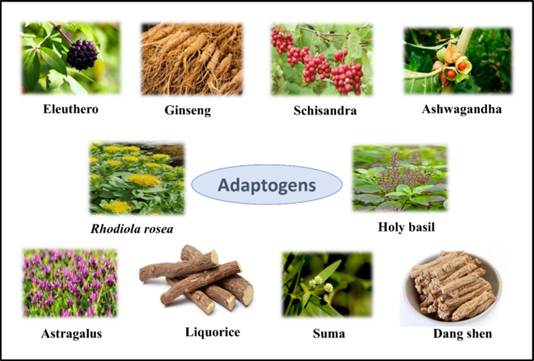
Example of Adaptogens
This last criterion is particularly fascinating from a pharmacological standpoint. Unlike most drugs, which push a biological variable in one direction, adaptogens are described as “bidirectional” in that they tend to normalize function. An adaptogen that influences cortisol, for example, may lower it when chronically elevated and support it when depleted. This homeostatic quality is mechanistically distinct from stimulants, sedatives, or simple hormone precursors.
The Mechanism: How Adaptogens Work at the Cellular Level
Modern research has begun to illuminate the molecular pathways behind these effects, and the biochemistry is genuinely interesting. Adaptogens appear to work primarily through three interrelated systems:
1. The HPA Axis (Hypothalamic-Pituitary-Adrenal)
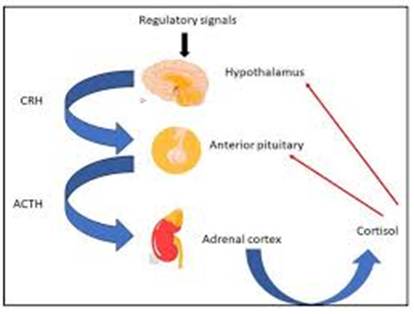
The HPA axis is the body’s central stress-response network. When a stressor is perceived, the hypothalamus releases corticotropin-releasing hormone (CRH), which signals the pituitary to release adrenocorticotropic hormone (ACTH), which in turn drives the adrenal cortex to secrete cortisol. This cascade is adaptive in short bursts, but chronic activation leads to dysregulation, inflammation, metabolic disruption, and immunosuppression. Several adaptogens, particularly Ashwagandha (Withania somnifera) and Rhodiola rosea, have been shown to modulate this axis, reducing the cortisol output under conditions of chronic psychological stress.
2. The SAS (Sympatho-Adrenal System) and Molecular Chaperones
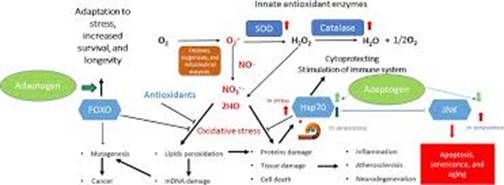
A landmark paper by Panossian and Wikman (2010) proposed that adaptogens act on stress sensor proteins, particularly Hsp70 (heat shock protein 70) and nitric oxide (NO), which serve as molecular “early warning systems” that detect cellular stress before it becomes systemic. Adaptogens appear to trigger a mild, hormetic stress response that upregulates protective proteins like Hsp70 and Hsp90, essentially pre-conditioning the cell to handle more significant stressors. This hormesis model, small stress, big resilience, echoes the principle behind cold exposure and high-intensity interval training.
3. Neuroprotection and Cognitive Pathways
Several adaptogens interact with neurotransmitter systems involved in mood, attention, and neuroprotection. Bacopa monnieri appears to enhance synaptic communication by modulating serotonin and acetylcholine pathways and may support neurogenesis via BDNF (brain-derived neurotrophic factor) upregulation. Lion’s Mane mushroom (Hericium erinaceus) has attracted significant attention for its ability to stimulate Nerve Growth Factor (NGF) synthesis, a key signaling protein in neuron maintenance and plasticity through bioactive compounds called hericenones and erinacines.
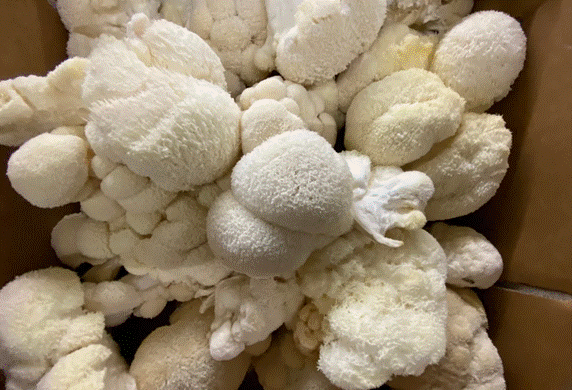
Lions Mane
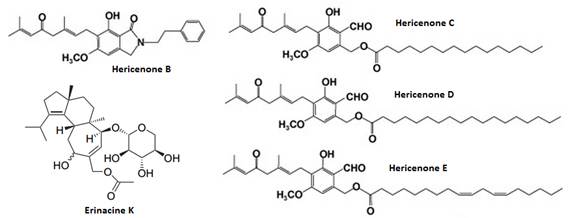
Compounds in Lions mane (hericenones and erinacines) which stimulate the production of Nerve Growth Factor.
Cortisol Management: The Data
Cortisol dysregulation is implicated in anxiety, poor sleep, abdominal fat accumulation, immune suppression, and accelerated biological aging, so it is no surprise this is where adaptogen research has concentrated. The most compelling human clinical data currently belongs to Ashwagandha. A double-blind, randomised controlled trial published in Medicine (2019) found that 240 mg/day of a standardised Ashwagandha extract produced a statistically significant 23% reduction in serum cortisol levels compared to placebo over 60 days, alongside improvements in self-reported stress scores, sleep quality, and memory performance.
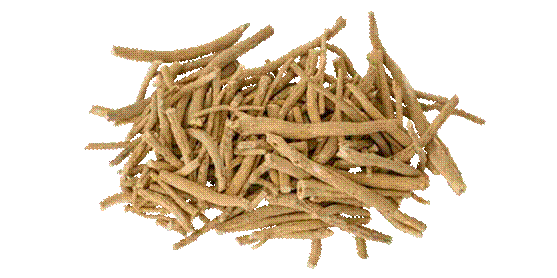
Ashwagandha
The active constituents in Ashwagandha, withanolides, a class of steroidal lactones, are thought to inhibit the NF-κB inflammatory pathway and modulate GABA receptor activity, which may explain both the anxiolytic and cortisol-modulating effects. This is not merely folk medicine; it is identifiable receptor-level pharmacology.
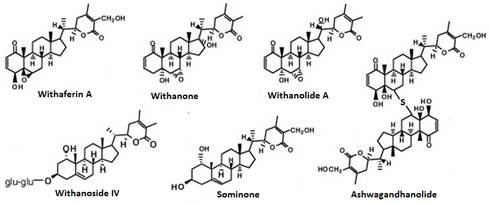
Withanolides
You can find and purchase Ashwagandha on Amazon here –> https://amzn.to/4bhXUXk
Rhodiola rosea, rich in rosavins and salidroside, has similarly demonstrated cortisol-modulating properties, particularly in the context of burnout and fatigue. A 2022 systematic review in Phytomedicine examining 36 studies found consistent evidence for Rhodiola’s ability to reduce perceived fatigue and improve mental performance under stress — though the authors noted that study quality and standardisation vary considerably across the literature.
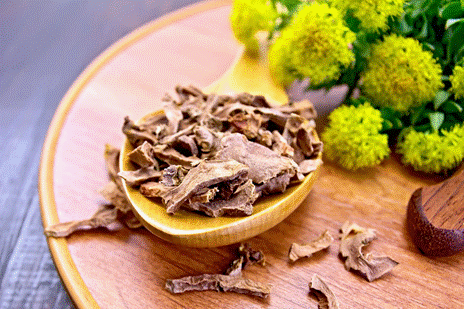
Rhodiola Rosea
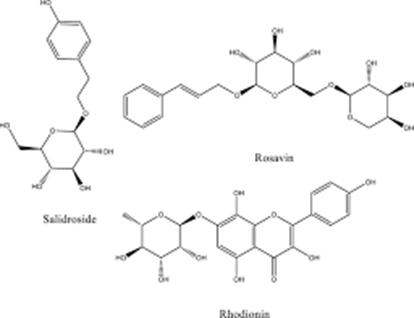
Rosavins and Salidroside Chemical Structures
You can find and purchase Rhodiola Rosea supplement here on Amazon –> https://amzn.to/4sXDo4h
Mental Clarity, Cognition, and Neuroprotection
Beyond stress hormones, the cognitive applications of adaptogens are a growing area of legitimate inquiry. Bacopa monnieri has arguably the most robust human trial data for cognitive enhancement of any herbal compound — multiple randomised controlled trials have demonstrated improvements in spatial working memory, information processing speed, and delayed word recall, typically with chronic supplementation over 8–12 weeks. The mechanism involves antioxidant effects in the hippocampus, acetylcholinesterase inhibition, and modulation of dopaminergic neurotransmission.
Lion’s Mane mushroom is particularly interesting to the longevity community because its NGF-stimulating properties position it as a potential neuroprotective agent. Preclinical evidence is strong. Human trials are fewer, but a 2009 double-blind RCT in Phytotherapy Research found that 1,000 mg/day of Lion’s Mane over 16 weeks produced significant improvements in cognitive function scores in older adults with mild cognitive impairment, with effects reversing upon cessation — suggesting a dependency on continued supplementation rather than permanent neurological modification.
You can find Bacopa here on Amazon -> https://amzn.to/4sigfcA
You can find Lions mane here on Amazon -> https://amzn.to/476nOL9
What Else Are Adaptogens Used For?
The adaptogen category is broader than stress and cognition alone. Panax ginseng (Asian ginseng) has accumulated substantial evidence for immune modulation, exercise performance enhancement, and glycemic support; ginsenosides appear to sensitise insulin receptors and support mitochondrial ATP production. Eleuthero (Siberian ginseng), while technically not a true ginseng, has been studied for its effects on endurance and immune resilience, particularly in Soviet-era athletic research (though much of this data requires modern replication).

Panax Ginseng
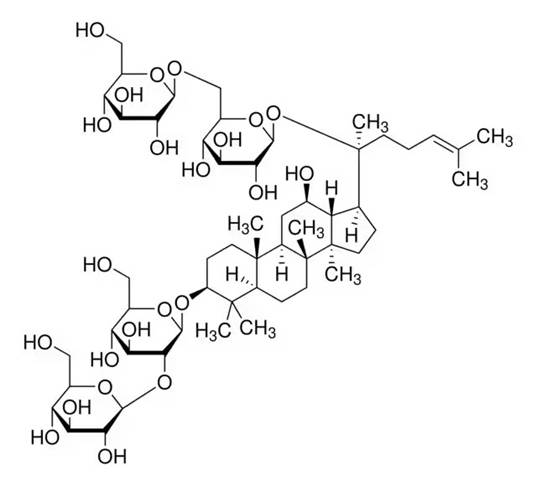
Ginsenoside structure
You can buy Panax Ginseng on Amazon here -à https://amzn.to/4sn6xG0
Schisandra chinensis, used extensively in Traditional Chinese Medicine, has shown hepatoprotective properties via upregulation of glutathione synthesis, and has been studied for its potential in supporting liver enzyme normalisation in individuals with non-alcoholic fatty liver disease. Holy Basil (Ocimum tenuiflorum), or Tulsi, is being explored for its anti-inflammatory and thyroid-supporting properties, with compounds like eugenol and ursolic acid inhibiting COX-2 enzyme activity — the same target as ibuprofen.
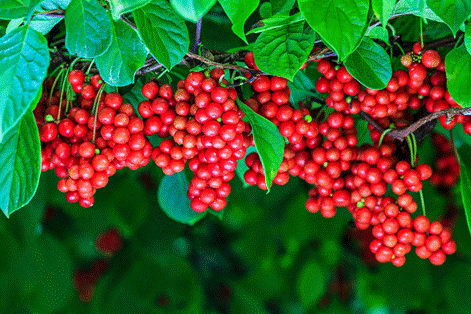
Schisandra berry
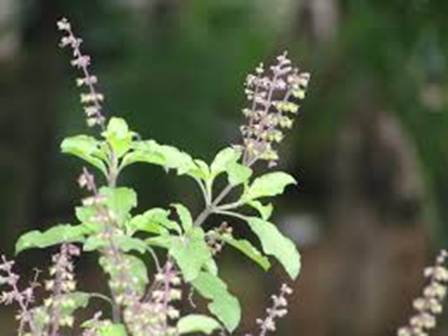
Holy Basil
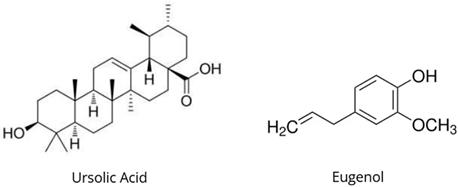
Eugenol and Ursolic Acid Structure
You can buy Schisandra supplement on Amazon here à https://amzn.to/4lBqsys
You can buy Holy Basil supplement on Amazon here à https://amzn.to/4lDMuk6
How Solid Is the Science — Really?
This is the question that separates informed supplementation from wishful thinking. The honest answer is: it depends on the compound. The evidence base is uneven. Ashwagandha and Bacopa have multiple high-quality RCTs with good blinding and standardized extracts. Rhodiola has decent mechanistic and human data. Lion’s Mane is promising but still thin on large-scale human trials. Many lesser-known adaptogens have weak or absent human data despite compelling in vitro or animal findings.
Key limitations to be aware of: dosing and extract standardization are highly variable between studies, making meta-analyses difficult. Funding bias exists, with some trials sponsored by supplement manufacturers. Effect sizes, while often statistically significant, are frequently modest in absolute terms — meaningful for chronic management, less so for acute performance. And placebo response in stress and cognition studies is substantial, making trial design particularly demanding.
That said, dismissing adaptogens as purely anecdotal misreads the current state of the literature. For the top-tier compounds, there is now mechanistic plausibility at the receptor and signaling pathway level, corroborated by human clinical data of sufficient quality to inform clinical recommendations — a bar that many pharmaceutical interventions for stress and cognition have not cleared either.
Practical Considerations for Biohackers
If you are considering adding adaptogens to your protocol, a few principles are worth noting. First, these are chronic, not acute, interventions —the strongest effects emerge after weeks of consistent use, not hours. Second, sourcing matters enormously; look for standardised extracts (e.g., KSM-66 for Ashwagandha (Buy here-à https://amzn.to/4bhXUXk , Bacognize for Bacopa) with verified withanolide or bacosides content, third-party tested. Third, adaptogen effects may be subtle and cumulative rather than dramatic, making them well-suited to longevity-oriented stacks rather than acute performance enhancement.
Finally, the bidirectional, homeostatic nature of these compounds means context matters. If your cortisol is normal, the cortisol-lowering effects of Ashwagandha will be attenuated. The most profound benefits appear in individuals with measurable dysregulation — chronic stress, impaired sleep architecture, or declining cognitive performance — which is consistent with the homeostatic mechanism proposed in the literature.
The Bottom Line
Adaptogens occupy a genuinely interesting and scientifically credible space in the wellness landscape. They are not panaceas, and the field is not without its flaws, but the mechanistic picture emerging from molecular biology and the clinical signals from better-designed trials suggest that the right compounds, in the right doses, from quality sources, can provide meaningful support for stress resilience, cortisol regulation, and cognitive longevity. In a world of chronic stressors and overstimulated nervous systems, that is not nothing — it might, in fact, be exactly the kind of low-risk, high-signal tool a well-designed longevity protocol has been missing.
Key Compounds at a Glance
Ashwagandha (Withania somnifera): Cortisol reduction, anxiety, sleep quality, thyroid support
Rhodiola rosea: Fatigue reduction, burnout, mental performance under stress
Bacopa monnieri: Memory consolidation, processing speed, hippocampal neuroprotection
Lion’s Mane (Hericium erinaceus): NGF stimulation, mild cognitive impairment, neuroplasticity
Panax ginseng: Immune modulation, glycaemic support, exercise performance
Schisandra chinensis: Liver support, glutathione upregulation, fatigue
Holy Basil (Tulsi): Anti-inflammatory (COX-2), stress adaptation, immune function
This article is for informational purposes only and does not constitute medical advice. Consult a qualified healthcare provider before beginning any supplementation protocol.
 Unbedside Manners
Leave a comment