Cerebrolysin: The Neuropeptide That’s Turning Heads in the Biohacking World
If you’ve been deep-diving into the nootropics space, you’ve probably stumbled across Cerebrolysin; a compound that reads more like something from a sci-fi lab than a conventional supplement. But this isn’t fringe science. Cerebrolysin has been in clinical use for over 50 years, and the biohacking community is only now catching up to what European and Asian neurologists have quietly known for decades.
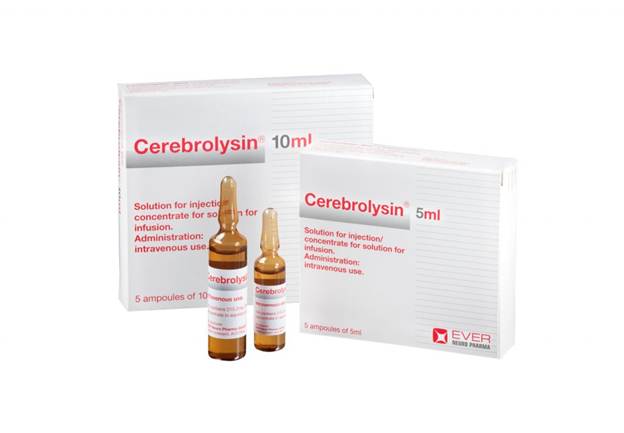
A Brief History: Where Did It Come From?
Cerebrolysin was developed in the 1950s by scientists at the EBEWE Pharma group in Austria. Researchers were investigating the potential of brain-derived peptides to support neurological recovery, inspired by the observation that naturally occurring growth factors in the brain could be harnessed therapeutically. The result was a highly purified extract derived from porcine (pig) brain tissue, standardized to deliver a consistent cocktail of bioactive neuropeptides and amino acids. By the 1970s, it had entered clinical use across Eastern Europe and Asia, becoming a staple in neurological rehabilitation medicine.
What Is It, Structurally Speaking?
Cerebrolysin isn’t a single molecule; it’s a complex mixture. Roughly 25% of its composition consists of low-molecular-weight neuropeptides (under 10,000 daltons), and the remaining 75% is free amino acids. The peptide fraction is where the magic happens. The fraction is an experimental mixture of enzymatically-treated peptides derived from pig brain whose constituents can include brain-derived neurotrophic factor (BDNF), glial cell line-derived neurotrophic factor (GDNF), nerve growth factor (NGF), and ciliary neurotrophic factor (CNTF). These peptides are small enough to cross the blood-brain barrier, which is a feat that many larger biologics simply cannot accomplish. The specific peptides mimic the action of endogenous neurotrophic factors — proteins your brain naturally produces to protect and grow neurons.
Mechanism of Action: What Happens Inside the Cell?
This is where Cerebrolysin gets genuinely fascinating. Its peptides interact with receptors for nerve growth factor (NGF) and brain-derived neurotrophic factor (BDNF), primarily the TrkA and TrkB receptor tyrosine kinases found on neuronal membranes. When these receptors are activated, a cascade begins:
The MAPK/ERK pathway is engaged, promoting neuronal survival and synaptic plasticity. The PI3K/Akt pathway fires up, suppressing apoptosis (programmed cell death) and supporting cellular metabolism. Downstream, you see increases in CREB phosphorylation — a transcription factor that essentially tells the nucleus to dial up genes responsible for long-term memory consolidation, dendritic growth, and neuroprotection.
At the cellular level, this translates to reduced oxidative stress, lower levels of excitotoxic damage (the kind caused by excess glutamate), improved mitochondrial efficiency, and enhanced synaptic density. In simple terms, neurons become more resilient, better connected, and longer-lived.
Clinical Indications
In countries where it’s approved, Cerebrolysin is used to treat Alzheimer’s disease, vascular dementia, traumatic brain injury (TBI), and stroke recovery. Clinical trials — including a notable series published in peer-reviewed journals — have shown improvements in cognitive scores, functional independence, and neurological recovery in stroke patients when Cerebrolysin is administered in the acute phase. It’s particularly well-regarded in rehabilitation medicine throughout Russia, China, and Central Europe.
FDA Approval and Legal Status in the US
Here’s the reality check: Cerebrolysin is not FDA-approved in the United States. It remains classified as an unapproved drug for human use. That said, it occupies a legal gray zone — it’s not a scheduled substance, and some individuals import it from overseas pharmacies (primarily Austrian or Chinese sources) for personal use. Yes, you can find it online. But “available online” and “legally straightforward” are not the same thing. Quality control, authenticity, and importation risks are all real concerns. Anyone considering this route should do thorough research and ideally consult a knowledgeable physician.
Who Is the Best Candidate?
Cerebrolysin isn’t for the casual nootropics experimenter looking for a study-session edge. The ideal candidates are individuals dealing with neurological stress or injury — those recovering from TBI, early-stage cognitive decline, post-COVID neurological symptoms, or age-related memory concerns. In the longevity context, it’s increasingly discussed as a neuroprotective agent for middle-aged and older adults looking to preserve cognitive capital.
Stacking with Other Peptides
Cerebrolysin is frequently stacked with Semax (a synthetic ACTH analog with its own BDNF-boosting properties) and Selank (an anxiolytic peptide that modulates IL-6 and serotonin). Some practitioners also combine it with BPC-157 for its systemic anti-inflammatory and angiogenic effects, theorizing synergistic neuroprotection. These stacks are entirely experimental — but that’s the frontier biohackers have always inhabited.
The Bottom Line
Cerebrolysin is one of those rare compounds that bridges legitimate clinical science and the cutting edge of cognitive optimization. It’s not hype — it’s decades of neurological research bottled in a vial. But it demands respect: proper dosing, sourcing diligence, and ideally, medical supervision. For the serious biohacker or longevity-focused individual, it’s absolutely worth understanding deeply.
Always consult a qualified healthcare provider before beginning any peptide protocol.
 Unbedside Manners
Leave a comment