Every year, millions of Americans lose their lives to diseases that are, in many cases, preventable. Understanding what’s putting us at risk — and what we can do about it — is one of the most powerful tools we have for living longer, healthier lives. Here’s a look at the five leading causes of death in the United States (excluding accidents and trauma), the risk factors behind each, and the steps you can take to reduce your risk.
1. Heart Disease — The #1 Killer

Heart disease claims more than 700,000 American lives each year, making it the nation’s top cause of death by a wide margin. It encompasses a range of conditions — coronary artery disease, heart failure, and arrhythmias among them — all of which impair the heart’s ability to function. Risk factors include high blood pressure, high cholesterol, smoking, obesity, diabetes, physical inactivity, and a family history of heart disease. Age and gender also play a role, with men facing higher risk earlier in life.
Prevention starts with lifestyle. A heart-healthy diet rich in fruits, vegetables, whole grains, and lean proteins can significantly lower your risk. Regular aerobic exercise — even 30 minutes of walking most days — strengthens the heart. Quitting smoking, managing stress, and keeping blood pressure and cholesterol in check through medication when needed are also key. Routine checkups are your early warning system; don’t skip them.
2. Cancer — A Broad and Complex Threat

Cancer is not one disease but hundreds, and it remains the second leading cause of death in the US, accounting for nearly 600,000 deaths annually. Lung, colorectal, breast, and prostate cancers are among the most common culprits. Risk factors vary by cancer type but commonly include tobacco use, obesity, excessive alcohol consumption, sun exposure, certain infections (like HPV and H. pylori), and genetic predispositions.
Many cancers are highly preventable or detectable early. Not smoking is the single most impactful step you can take. Maintaining a healthy weight, limiting alcohol, using sunscreen, and getting vaccinated against cancer-linked viruses (HPV, hepatitis B) all reduce risk. Equally important: get screened. Colonoscopies, mammograms, Pap smears, and low-dose CT scans for long-term smokers catch cancer early, when it’s most treatable.
3. COVID-19 and Chronic Lower Respiratory Disease — Breathing Under Threat

Chronic lower respiratory diseases — including COPD, emphysema, and chronic bronchitis — affect millions and consistently rank among the top causes of death. Smoking is by far the most significant risk factor, responsible for roughly 85% of COPD cases. Long-term exposure to air pollutants, chemical fumes, and dust also contributes. Asthma, while often manageable, can be life-threatening if poorly controlled.
Prevention centers heavily on protecting your lungs. Quit smoking — it’s never too late, as lung function can partially recover after cessation. Avoid secondhand smoke and limit exposure to occupational hazards. If you work in construction, mining, or manufacturing, proper protective equipment is essential. For those already diagnosed, pulmonary rehabilitation, medications, and oxygen therapy can dramatically improve quality of life.
4. Stroke — When Seconds Count
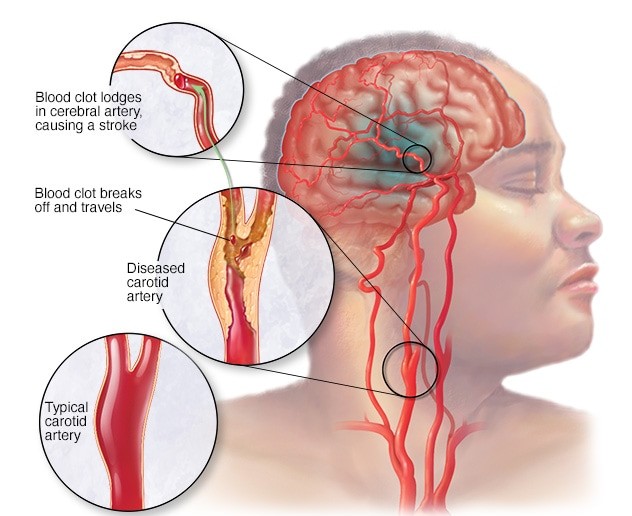
Stroke is the fifth leading cause of death and a leading cause of long-term disability in the US. It occurs when blood flow to the brain is blocked (ischemic stroke) or when a blood vessel bursts (hemorrhagic stroke). Risk factors mirror those of heart disease: high blood pressure, high cholesterol, smoking, diabetes, obesity, atrial fibrillation, and a sedentary lifestyle. Age and family history are also significant contributors.
Controlling blood pressure is the single most effective strategy for stroke prevention — even modest reductions in blood pressure lower risk substantially. Managing diabetes, eating a low-sodium diet, exercising regularly, and not smoking all help. Know the warning signs (sudden numbness, confusion, trouble speaking or seeing, severe headache) and act fast — calling 911 immediately can mean the difference between recovery and permanent disability.
5. Alzheimer’s Disease — Protecting the Brain

Alzheimer’s disease and other dementias are becoming increasingly prominent causes of death as America’s population ages. Alzheimer’s is a progressive neurological disorder that destroys memory and cognitive function, ultimately affecting the body’s ability to carry out basic processes. Age is the greatest risk factor, but genetics (particularly the APOE-e4 gene variant), cardiovascular risk factors, traumatic brain injury, and social isolation also contribute.
While there’s no guaranteed prevention, research increasingly shows that what’s good for the heart is good for the brain. Regular physical activity, a Mediterranean-style diet, quality sleep, mental stimulation, and strong social connections are all associated with lower dementia risk. Managing cardiovascular risk factors — blood pressure, cholesterol, blood sugar — and avoiding excessive alcohol and smoking also appear protective. Early diagnosis can help people plan and access treatments that slow progression.
The Bottom Line
The five conditions above account for well over half of all deaths in the United States each year — but they share something important in common: a significant portion of that toll is preventable. Lifestyle choices, early screening, and consistent medical care can dramatically shift the odds in your favor. It’s never too early — or too late — to start taking your health seriously. Talk to your doctor, know your numbers, and take small steps every day. Your future self will thank you.
 Unbedside Manners
Leave a comment