Twelve Volunteers, One Obsessed Chemist, and the Government Experiment That Gave America the FDA
A feature article for the Chronic Pain Patients Rights community
A Basement Dining Room and a Sign That Said It All
In November 1902, twelve young government clerks filed into a basement dining room beneath the United States Department of Agriculture building in Washington D.C. They were healthy men in their twenties, mostly office workers living on modest salaries. They had volunteered for an experiment they did not entirely understand yet attracted, if they were honest, primarily by the promise of three exceptional meals a day, free medical care, and a modest stipend.
Above the dining room door, a handwritten sign read: None but the brave can eat the fare.
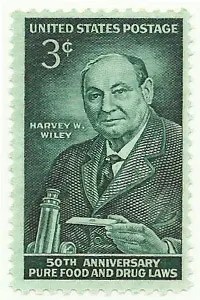
The food was, by all accounts, genuinely good. The chef, known to history only as Perry, was skilled and creative. The ingredients were impeccably fresh, sourced with extraordinary care by the chemist running the experiment: Dr. Harvey Washington Wiley, Chief Chemist of the USDA, a broad-shouldered Indiana-born scientist who had been fighting the same battle for nearly twenty years and was finally, at the cost of five thousand dollars in congressional appropriations and the digestive tracts of twelve willing young men, going to win it.
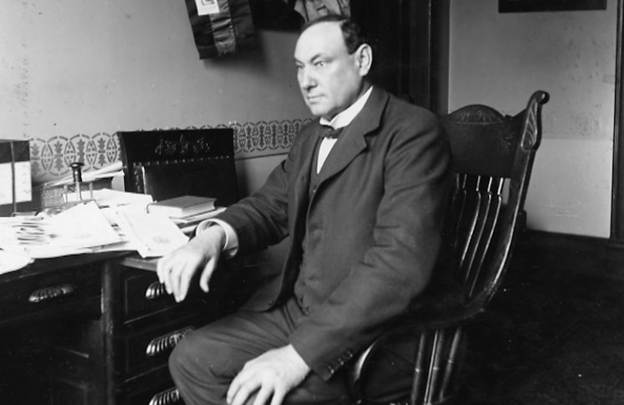
Dr. Harvey Washington Wiley, Chemist/Researcher
Wiley had laced their dinner with borax.
This is the story of the Poison Squad, the strangest, most consequential, and least-remembered government experiment in American history. It is the story of the founding data behind the Food and Drug Administration. And for the chronic pain patients rights community, it is a story that matters deeply: it established the principle, fought for and paid for in laboratory suffering, that the government has a responsibility to protect citizens from what is put in their food and medicine, and that without that protection, industry will not provide it on its own.
Harvey Washington Wiley: The Man Who Would Not Stop
Harvey Washington Wiley was born in 1844 on a farm in Kent, Indiana. He served as a Union soldier in the Civil War, studied medicine, then abandoned clinical practice for chemistry — a decision that would shape American public health for generations. After a professorship at Purdue University, where he became its first chemistry instructor, he accepted an appointment in 1883 as Chief Chemist of the USDA’s Bureau of Chemistry.
From his first days in Washington, Wiley’s focus was singular: the American food supply was being systematically adulterated, the public had no means of knowing it, and the government had no legal authority to stop it.
The scale of the problem was staggering. At the turn of the 20th century, the industrialization of food production had outrun any regulatory framework. Food was no longer produced locally and consumed fresh; it was manufactured in large facilities, preserved with an array of chemicals, canned, packaged, and shipped across the country by rail. The commercial incentives for fraud were enormous, and the absence of any labeling requirement or testing mandate meant that manufacturers could put virtually anything in a product and sell it under any name.
Cottonseed oil was blended into olive oil and sold at premium prices. Glucose syrup was bottled as honey. Canned peas were dyed green with copper sulfate — a fungicide — to simulate freshness. Rancid butter was treated with formaldehyde. Spoiling meat was treated with borax, which reacted with the proteins to firm the flesh and restore its appearance of freshness. And throughout the patent medicine market, products sold for children and adults alike contained morphine, cocaine, heroin, and alcohol in quantities that were never disclosed.
Wiley documented all of this, published bulletins, testified before Congress, and watched, year after year, as the food industry’s lobbyists killed every proposed regulation. The industry demanded scientific proof of harm before any restriction could be imposed.
Wiley decided to provide it, one additive at a time, fed to twelve young men in a government basement.
The Hygienic Table Trials: What They Were, and How They Worked
In 1902, Congress granted Wiley five thousand dollars and the authority to conduct what he called, in deliberately understated bureaucratic language, the Hygienic Table Trials. The Washington press corps, with more instinct for a headline, called his volunteers the Poison Squad. The name stuck immediately and permanently.

The experimental design was straightforward in conception, complicated in execution. Wiley would take healthy young volunteers, feed them controlled meals in a supervised setting, add a specific food preservative in measured quantities to their food, and document the physiological effects over a period of weeks. Each additive would be tested separately. The volunteers would serve as their own controls, eating clean food for a baseline period, then receiving the additive, then returning to clean food.
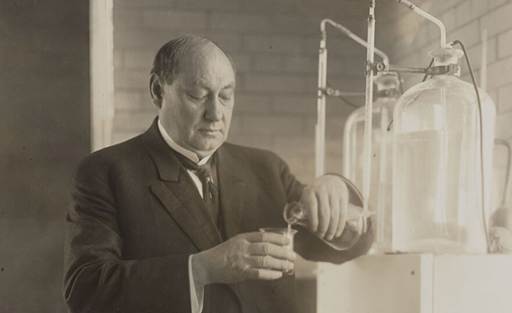
Before he could test anything, Wiley faced a problem that reveals just how thoroughly adulterated the food supply already was: finding uncontaminated baseline ingredients. To test borax specifically, he needed food that contained no borax. This required him to personally contact dairy farmers, canning companies, and meat producers, monitor their operations, and verify with his own laboratory analysis that every ingredient arriving at the USDA kitchen was free of the compounds he was studying. Sourcing clean food in 1902 America was itself an investigation.
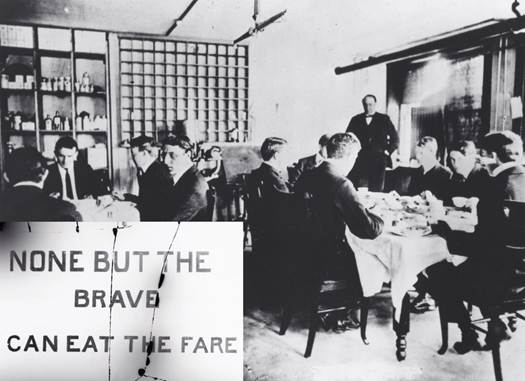
Volunteers were required to eat all meals at the supervised table and to abstain from any outside food during the study period. They were weighed before each meal. They underwent physician examinations twice weekly. Daily recordings were kept of their weight, temperature, and pulse. They collected their own bodily samples for laboratory analysis. And on days designated for respiratory testing, they breathed through a lime-water solution for three hours to test whether the additives affected respiration.
Their only formal compensation was the meals themselves, medical care, and fifty dollars a month which was real money for a government clerk in 1902, but not obviously sufficient for what some of them would endure.
The Six Compounds — And What They Did
Over five years of rotating cohorts with approximately twelve active members at any given time, and perhaps twenty men participating across the full run of experiments, the Poison Squad tested six compounds that were in widespread commercial use in the American food supply.
Borax
The first compound tested, borax was chosen because it was among the most ubiquitous preservatives of the era. Applied to meat and dairy products, it interacted with proteins to firm up soft or spoiling tissue, restoring the visual appearance of freshness. Meat producers argued it was harmless; Wiley suspected otherwise.

The borax results came faster than Wiley had anticipated. By Christmas 1902, barely six weeks into the first trial, spirits among the volunteers were visibly low. Men were reporting headaches and stomach pain. Half of the first cohort dropped out before the fifth round, citing debilitating symptoms. The dosages had been on the high side, Wiley acknowledged but then, a heavy consumer of preserved meat and dairy could easily reach similar exposure levels in a single day of eating. His 477-page report on borax documented the cumulative effects with meticulous precision.
Salicylic Acid
In 1905, the squad turned to salicylic acid — an additive used across a wide range of preserved products. The results were among the most unambiguous of any compound tested: salicylic acid caused visible gastric bleeding in the volunteers. Wiley’s documentation of this finding was direct and unsparing.

Formaldehyde
Perhaps the most disturbing compound in the study, formaldehyde was widely used as a preservative in dairy products — particularly milk. Its preservative properties were well understood; its effects on the human body were not. The Poison Squad tests showed that formaldehyde at commercial exposure levels strained the kidneys and produced acute illness in the volunteers.


The formaldehyde trials also produced the experiment’s most legally fraught episode. One member of the Squad died during the experimental period — his death attributed to tuberculosis. His family believed the experiments had weakened him and threatened to sue the government. Wiley could not fully exclude the possibility that the extended exposure to preservatives had compromised the man’s resistance to infection. The threat of litigation was real.
Sodium Benzoate and Sodium Sulfite
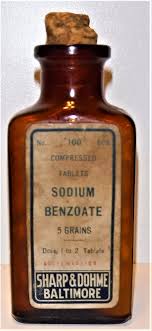
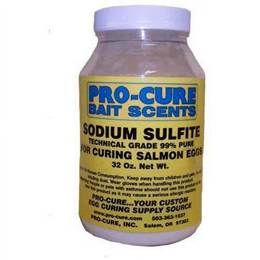
The sodium sulfite trials had to be stopped before completion — the volunteer reactions were too severe to continue. Of twelve men in the sodium benzoate cohort, only three completed the full experimental protocol. The others withdrew citing symptoms that ranged from persistent nausea to blood vessel damage and severe weight loss.
Copper Sulfate and Saccharin
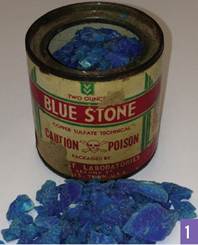
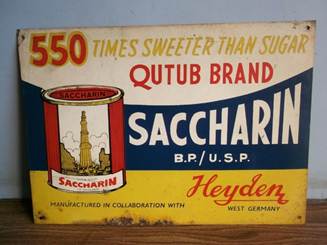
Copper sulfate, used primarily as a colorant to give canned vegetables an artificially vibrant hue, produced measurable harm in the volunteers. Saccharin, which would go on to become the subject of regulatory controversy for decades, was also tested — with results that satisfied neither its critics nor its defenders, and that left Wiley in a prolonged battle with the Referee Board of Consulting Scientists established by the Secretary of Agriculture to review his findings.
By the end of the Squad’s operational period in 1907, those who had not withdrawn from the experiments were, in the assessment of observers at the time, showing signs of protracted physical deterioration. The sign above the dining room door had been, it turned out, an accurate warning.
The Media Sensation — And the Million Letters
Whatever the scientific limitations of Wiley’s Hygienic Table Trials, critics then and now have noted the absence of blinding, the sometimes excessive dosages, and the small sample sizes, the Poison Squad generated a level of public attention that no amount of methodological critique could diminish.
Reporters showed up at the USDA basement regularly. The Washington Post covered the experiments with a combination of genuine alarm and barely suppressed delight. Supreme Court justices were heard making jokes about the Squad in public. Minstrel shows incorporated the volunteers into their acts. A poet named S.W. Gillian wrote a widely circulated verse that imagined the Squad’s menu: prussic acid for breakfast, morphine stew for lunch, carbolic acid to drink. The poem was funny and horrifying in equal measure, which made it perfect for its moment.
Wiley issued a gag order on his volunteers, alarmed that press coverage would compromise the scientific integrity of the studies. The order had negligible effect. The story was too consequential for the public to release.
The organized response came primarily from women. The General Federation of Women’s Clubs, the National Association of Colored Women, and the National Consumers League understood with particular urgency what the Poison Squad’s findings implied: the food that mothers bought for their families — trusting the labels, trusting the stores, trusting the regulatory system they believed existed — was being systematically contaminated by an industry that answered to no one and faced no consequences for harm.
Wiley traveled extensively, speaking before dozens of women’s groups across the country. Ladies’ Home Journal, then one of America’s most widely read magazines, ran features warning mothers about adulterated foods. The campaign built steadily, and by the time the political moment arrived, more than one million women had written letters to the White House in support of food safety legislation. It remains one of the largest citizen lobbying efforts in American history.
The Industry Fights Back — and Loses
The food industry did not accept Wiley’s findings without a fight. Their response followed a pattern that will be familiar to anyone who has studied the patent medicine industry’s response to Samuel Hopkins Adams, or the tobacco industry’s response to cancer research, or Purdue Pharma’s response to OxyContin addiction data: fund friendly scientists, suppress adverse findings, attack the methodology, and lobby against any legislation that would require disclosure.
Industry representatives argued that consumers never ate enough of any single additive to reach the dosages Wiley had tested. They commissioned academic scientists — including Ira Remsen of Johns Hopkins University, a legitimate chemist of high standing — to review and challenge Wiley’s findings. The Secretary of Agriculture, responsive to industry pressure, established a Referee Board of Consulting Scientists to re-examine Wiley’s conclusions on sodium benzoate, and suppressed his initial report on the compound.
That report was ultimately published by accident. With the Secretary on vacation, a staffer misunderstood his instructions and ordered the suppressed benzoate report printed. By the time the Secretary returned, it was in circulation. Wiley treated the mishap as a victory.
The industry’s rearguard action bought time but could not ultimately hold. The Poison Squad’s findings, combined with Samuel Hopkins Adams’s eleven-part exposé of the patent medicine industry in Collier’s Weekly, the publication of Upton Sinclair’s The Jungle, and the organizing power of women’s groups across the country, created a political coalition that Congress could no longer resist.

Journalist Samuel Hopkins Adams
The Pure Food and Drug Act — and the Birth of Consumer Protection
On June 30th, 1906, President Theodore Roosevelt signed both the Pure Food and Drug Act and the Meat Inspection Act into law. The Pure Food and Drug Act, known informally as the Wiley Act, was the first federal legislation to prohibit false or misleading statements on food and drug labels, and to ban the sale of adulterated or mislabeled products in interstate commerce.
For the patent medicine industry, the labeling requirement was particularly devastating. A bottle of Mrs. Winslow’s Soothing Syrup now had to disclose its morphine content. A woman’s tonic advertised as a cure for nervous disorders had to list its alcohol percentage. A consumption cure had to identify its medicinal ingredients which, in the case of products like Peruna, totaled less than half of one percent of the contents. Transparency, it turned out, was enough. Sales of opiate-containing patent medicines fell thirty-three percent within a year of the law’s passage.
The impact on food preservatives was more gradual but equally significant. Manufacturers who had fought the law for decades began, quietly, to reformulate their products. Borax left the food supply. Formaldehyde in dairy products was phased out. Copper sulfate was no longer used to color canned vegetables. The compounds that Wiley’s volunteers had endured years of illness to document were removed — not through the market correcting itself, not through corporate conscience, but through the force of law.
Wiley’s Bureau of Chemistry, which had grown from a small office to a significant federal agency under his leadership, assumed enforcement responsibility for the 1906 Act. Between 1906 and 1912, its staff expanded from 110 to 146 employees, and its appropriations grew from $155,000 to nearly $1 million annually.
Wiley himself left the USDA in 1912, frustrated by ongoing industry pressure on his enforcement efforts and by conflicts with the Secretary of Agriculture over the benzoate findings. He spent the following eighteen years as director of the laboratories at the Good Housekeeping Institute, where he continued testing consumer products and writing about food safety until his death in 1930 at age eighty-five.
The Legacy: From the Poison Squad to the FDA
The regulatory architecture that Wiley’s work made possible evolved through a series of legislative expansions over the following decades. The Food, Drug, and Insecticide Administration established in 1927 was reorganized and renamed the Food and Drug Administration in 1930. The Food, Drug, and Cosmetic Act of 1938 passed after a sulfonamide drug disaster killed more than one hundred people, gave the FDA the authority to require proof of safety before a new drug could enter the market, extending the principle Wiley had established in 1906.
Everything that follows from those authorities: the clinical trial requirements, the labeling mandates, the pre-approval process for new medications, the ability to recall dangerous products, the standards that govern what can be claimed in a pharmaceutical advertisement — all of it traces its founding logic to the Hygienic Table Trials of 1902.
Deborah Blum, whose 2018 book The Poison Squad brought Wiley’s story to a new generation of readers and was adapted into an American Experience documentary film in 2020, described his significance precisely: it was the first time that the United States accepted its role in the business of consumer protection, as opposed to their traditional stance of protecting big industries.
One of Wiley’s original volunteers, William Robinson, lived to see the FDA become a major federal institution, the pharmaceutical regulatory system develop into the most elaborate in the world, and food safety become an accepted baseline expectation of modern life. He died in 1979 at the age of ninety-four. Whether the borax helped is a question history does not resolve.
Why This Story Matters for the Chronic Pain Community
For advocates in the chronic pain patients rights movement, the Poison Squad story is not simply historical curiosity. It is the founding narrative of the regulatory system they live within, a system that, at its best, is designed to protect patients from what happened with laudanum, Mrs. Winslow’s Soothing Syrup, and OxyContin.
The principle Wiley fought for, that the government has a responsibility to require proof of safety before a substance reaches consumers, and to mandate disclosure of what products actually contain, was established against ferocious industry opposition, at real human cost, through the dedicated work of a chemist who spent twenty years being told that proof of harm did not yet exist.
That principle is the foundation of the FDA’s authority to evaluate new drugs before approval. It is why pharmaceutical companies must conduct clinical trials. It is why labels must disclose active ingredients and their quantities. It is why the FDA can require black box warnings on drugs with serious adverse effects. All of these protections exist because Harvey Wiley and twelve volunteers sat down to dinners laced with borax in a Washington basement and because a million women wrote letters to the White House demanding that their government protect them.
The laudanum epidemic was made possible, in part, by the absence of these protections. The OxyContin epidemic was made possible, in part, by the successful subversion of these protections through regulatory capture, marketing manipulation, and the systematic suppression of adverse data. Both epidemics tell the same story: when the system functions as designed, it saves lives. When it is corrupted or dismantled, people die.
Wiley understood something that remains true today. The market will not fix the food supply. Industry will not test its own products for harm. Corporate profit, absent external constraint, will prioritize revenue over safety. The regulatory framework that exists to prevent this is not a bureaucratic inconvenience. It is the accumulated consequence of real suffering — documented by real scientists, paid for by real volunteers, and fought for by real citizens who decided that their government owed them more than the freedom to be poisoned without their knowledge.
The Poison Squad gave us the tools. The question, in every generation, is whether we use them.
— END —
Key Sources: Deborah Blum, The Poison Squad: One Chemist’s Single-Minded Crusade for Food Safety at the Turn of the Twentieth Century (2018); PBS American Experience, “The Poison Squad” (2020); FDA Historical Archive; Library of Congress Inside Adams blog; Science History Institute; Mental Floss; Atlas Obscura; Harvey Washington Wiley, Bulletin No. 84, Parts I–V, USDA Bureau of Chemistry (1902–1908); Pure Food and Drug Act (1906).
 Unbedside Manners
Leave a comment