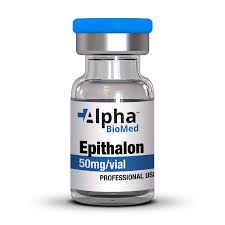
If you’ve gone deep into the longevity and anti-aging rabbit hole, you’ve probably heard whispers about Epithalon (also spelled Epitalon)—a peptide that supposedly extends lifespan by acting on your cells’ internal aging clock. Unlike peptides that improve appearance or body composition, Epithalon claims to address aging at its most fundamental level: the shortening of your telomeres.
This sounds like science fiction, but Epithalon has over 30 years of Russian research behind it. So what is it really? How does it work? And can a simple four-amino-acid peptide actually slow down aging?
Let’s break down Epithalon—the peptide that targets the very mechanism of cellular aging.
The Discovery: Russian Longevity Research
The story of Epithalon begins in the Soviet Union during the Cold War era, when the USSR was heavily investing in gerontology (the study of aging) and life extension research.
Professor Vladimir Khavinson and the St. Petersburg Institute
In the 1970s-1980s, Professor Vladimir Khavinson at the St. Petersburg Institute of Bioregulation and Gerontology became obsessed with one question: What controls the aging process at the most fundamental level?
His hypothesis was controversial: he believed that the pineal gland—a small, pine-cone-shaped gland in your brain—was the master regulator of aging.
The Pineal Gland’s Role:
The pineal gland produces melatonin, which regulates your circadian rhythm (sleep-wake cycle). But Khavinson noticed something interesting: as people age, their pineal gland calcifies and produces less melatonin. This decline correlates strongly with other markers of aging.
He theorized that the pineal gland produces other regulatory peptides that control aging throughout the body, and that declining pineal function drives the aging process.
The Extraction and Synthesis
Khavinson’s team extracted peptides from the pineal glands of young calves. After years of fractionation and testing, they isolated a specific tetrapeptide (four amino acids) that had remarkable effects on lifespan in animal models.
The sequence:
Ala-Glu-Asp-Gly (Alanine-Glutamate-Aspartate-Glycine)
They called it Epithalon (also known as Epithalamin when referring to the natural pineal extract).
The Results:
In animal studies spanning three decades, Epithalon demonstrated:
– 42% increase in lifespan in aged rats
– 27% increase in lifespan in fruit flies
– Extended lifespan in mice by normalizing age-related changes
– Restored reproductive function in old female rats
– Normalized circadian rhythms in aged animals
These weren’t subtle improvements—these were dramatic extensions of both lifespan and healthspan (years lived in good health).
The Mechanism: Telomeres and the Hayflick Limit
To understand how Epithalon works, you need to understand telomeres—the “aging clock” inside every cell.
What Are Telomeres?
Imagine your DNA as shoelaces. The plastic tips on the ends of shoelaces (aglets) prevent them from fraying. Telomeres are like those plastic tips—they’re protective caps on the ends of your chromosomes.
The structure:
Telomeres are repetitive DNA sequences (TTAGGG repeated thousands of times) that don’t code for any proteins. They’re essentially “junk” DNA whose only job is to protect the important genetic information on your chromosomes.
The Problem: Telomere Shortening
Every time a cell divides, the DNA replication machinery can’t quite copy all the way to the very end of the chromosome. A small piece of the telomere is lost with each division.
The Hayflick Limit:
In the 1960s, Dr. Leonard Hayflick discovered that normal human cells can only divide about 40-60 times before they stop. This is called the Hayflick Limit.
Why do they stop? Because their telomeres become critically short.
What happens when telomeres get too short:
1. Cellular senescence: The cell stops dividing and becomes a “zombie cell”—it’s alive but no longer functional. These senescent cells secrete inflammatory molecules that damage surrounding tissues.
2. Apoptosis: The cell dies (programmed cell death)
3. Genetic instability: If the cell tries to divide with critically short telomeres, chromosomes can fuse together or break, leading to cancer or cell death
This is why we age: Your cells can only divide a limited number of times. Eventually, you run out of functional cells, and tissues deteriorate.
The Solution: Telomerase
There’s an enzyme called telomerase that can add DNA sequences back onto telomeres, essentially “refilling” them.
Telomerase structure:
- TERT (Telomerase Reverse Transcriptase): The protein enzyme component
- TERC (Telomerase RNA Component): The RNA template that guides DNA synthesis
How it works:
Telomerase uses its RNA template to add TTAGGG repeats back onto chromosome ends, lengthening telomeres and allowing more cell divisions.
The catch: Most adult cells DON’T produce telomerase. It’s only active in:
- Germ cells (sperm and eggs)
- Stem cells
- Some immune cells
- Cancer cells (which is why they’re “immortal”)
This is your body’s anti-cancer defense mechanism. If all cells had active telomerase, they could divide forever—which is essentially what cancer is.
But it also means your normal cells have a built-in expiration date.
How Epithalon Works: Activating Telomerase
Here’s where Epithalon comes in. Research suggests it can activate telomerase in somatic cells (normal body cells) temporarily and safely.
The Molecular Mechanism
Step 1: Pineal Gland Stimulation
Epithalon appears to act directly on the pineal gland, stimulating it to produce more of its natural regulatory peptides and hormones, particularly melatonin.
The exact receptor mechanism isn’t fully characterized, but research suggests it binds to specific receptors on pinealocytes (pineal gland cells).
Step 2: Gene Expression Changes
Epithalon modulates the expression of genes involved in cellular aging and stress response. Specifically, it appears to:
- Upregulate TERT gene expression (the telomerase enzyme)
- Increase production of the telomerase enzyme
- Enhance the enzyme’s activity
Step 3: Telomerase Activation
With more telomerase present and active, cells can add DNA sequences back onto their telomeres. This doesn’t make cells immortal—it just “resets” some of the telomere shortening that has occurred.
The evidence:
Studies on human cells in culture showed:
- Telomere length increased by an average of ~10-15% after Epithalon treatment
- Cells that had stopped dividing (senescent) could divide again
- Lifespan of cells in culture extended by 20-40%
Step 4: Melatonin Normalization
Epithalon also normalizes melatonin production from the pineal gland. This has cascading effects:
- Improved circadian rhythm
- Better sleep quality
- Enhanced antioxidant defenses (melatonin is a powerful antioxidant)
- Improved neuroendocrine function
The Circadian Rhythm Connection
One of Epithalon’s most immediate effects is on circadian rhythm. The pineal gland releases melatonin in response to darkness, signaling your body that it’s time to sleep.
As you age:
- Pineal gland calcifies
- Melatonin production decreases
- Circadian rhythm becomes less robust
- Sleep quality deteriorates
Epithalon appears to “reset” the pineal gland, restoring more youthful melatonin patterns.
Why this matters for aging:
Your circadian rhythm controls hundreds of genes throughout your body. When it’s disrupted:
- Immune function declines
- Metabolic health worsens
- Inflammation increases
- Cognitive function deteriorates
By normalizing circadian rhythms, Epithalon may indirectly slow many aspects of aging.
The Antioxidant and Anti-Inflammatory Effects
Beyond telomeres and circadian rhythms, Epithalon has systemic effects on oxidative stress and inflammation.
Reducing Lipid Peroxidation
Lipid peroxidation is the “rusting” of fats in your body. Free radicals attack lipids in cell membranes, creating chain reactions that damage cells.
Studies show Epithalon:
- Reduces lipid peroxidation by 30-40%
- Increases antioxidant enzyme activity (SOD, catalase, glutathione peroxidase)
- Protects mitochondria from oxidative damage
Why this matters:
Oxidative damage accumulates with age and contributes to cardiovascular disease, neurodegeneration, and general tissue deterioration.
Normalizing Cortisol
Epithalon appears to normalize the hypothalamic-pituitary-adrenal (HPA) axis, which controls your stress response.
In aged animals, Epithalon:
- Reduced elevated baseline cortisol
- Improved cortisol response to stress (better stress adaptation)
- Restored more youthful hormone patterns
Chronically elevated cortisol accelerates aging, so normalizing this is significant.
Practical Effects: What Users Report
Unlike peptides with immediate visible effects (like BPC-157 or GHK-Cu), Epithalon’s benefits are subtle and long-term. Here’s what users typically experience:
Effect 1: Improved Sleep Quality (Most Common, First to Notice)
Timeline: Within 3-7 days
Most users report:
- Falling asleep more easily
- Deeper, more restorative sleep
- More regular sleep-wake cycle
- Waking up more refreshed
Why: Melatonin normalization from pineal gland stimulation
This is often the only immediate, perceptible effect. Everything else is more subtle.
Effect 2: Enhanced Energy and Vitality
Timeline: Weeks 2-4
Users often describe:
- More consistent energy throughout the day
- Less afternoon crashes
- Better stress resilience
- General sense of “feeling younger”
Why: Normalized circadian rhythm → better hormone patterns → improved cellular metabolism
Effect 3: Cognitive Improvements
Timeline: Weeks 3-6
Some users report:
- Improved mental clarity
- Better memory (especially short-term)
- Faster cognitive processing
- Reduced brain fog
Why: Melatonin’s neuroprotective effects + reduced oxidative stress in brain
Effect 4: Visual Changes (Subtle)
Timeline: Weeks 6-10
Some users notice:
- Slight improvement in skin quality
- Reduction in age spots
- Better hair quality
- Improved wound healing
Why: Cellular rejuvenation from telomerase activation + antioxidant effects
These changes are much more subtle than with peptides like GHK-Cu. Don’t expect dramatic cosmetic changes.
Effect 5: Biomarker Improvements
Timeline: Measurable at weeks 8-12
Studies and anecdotal reports show:
- Improved lipid profiles (cholesterol, triglycerides)
- Better glucose metabolism
- Normalized blood pressure
- Improved immune markers
These require blood tests to measure—you won’t “feel” them directly.
The Dosing Protocol: How Epithalon Is Used
Epithalon is typically used in short cycles rather than continuously.
Standard Longevity Protocol
Dose: 10 mg per day (sometimes split as 5 mg twice daily)
Duration: 10-20 days
Frequency: 2-4 times per year
Route: Subcutaneous injection (same as other peptides)
Example cycle:
- 10 mg daily for 10 days
- Off for 4-6 months
- Repeat cycle
Why cycles instead of continuous:
The theory is that telomerase activation shouldn’t be constant (cancer risk), so pulsing it in short cycles achieves benefits while minimizing risk.
Intensive Anti-Aging Protocol
Dose: 10 mg per day
Duration: 20 days
Frequency: 4 times per year (once per quarter)
Example annual schedule:
- January: 20-day cycle
- April: 20-day cycle
- July: 20-day cycle
- October: 20-day cycle
This is the protocol most commonly used in Russian longevity clinics.
Timing of Injections
Before bed: Most common recommendation
- Synergizes with natural melatonin production
- Doesn’t interfere with daytime activities
- Enhances sleep quality effects
Twice daily: Some protocols use 5 mg morning + 5 mg evening
- May provide more consistent effects
- More hassle (two injections per day)
Administration
Route: Subcutaneous injection
Sites: Abdomen, thighs (same as other peptides)
Supplies: Insulin syringes (29-31 gauge)
Reconstitution: 2-2.5 mL bacteriostatic water per 10 mg vial
Biomarker Tracking: Measuring Epithalon’s Effects
Because Epithalon’s effects are subtle and long-term, tracking biomarkers is important.
Telomere Length Testing
The gold standard for measuring Epithalon’s effect:
Tests available:
- TeloYears (mail-in test)
- SpectraCell Laboratories
- Life Length (most detailed, expensive)
Cost: $100-500 depending on test
Protocol:
- Baseline test before first Epithalon cycle
- Re-test 6-12 months later (after 2-4 cycles)
- Telomere lengthening or slower shortening indicates effectiveness
Important: Single tests can vary, so trends over time are more meaningful than one-off measurements.
Other Relevant Biomarkers
Complete blood panel:
- Lipids (Total cholesterol, LDL, HDL, Triglycerides)
- Glucose and HbA1c
- Inflammatory markers (hsCRP)
- Liver and kidney function
Hormones:
- Cortisol (morning and evening)
- Melatonin (salivary test)
- IGF-1 (marker of growth hormone)
Advanced markers:
- 8-OHdG (oxidative DNA damage)
- Advanced Glycation End-products (AGEs)
- Senescent cell markers (research/clinical only)
The Cancer Question: Is Telomerase Activation Safe?
This is the elephant in the room. If cancer cells use telomerase to become immortal, isn’t activating telomerase dangerous?
The Theoretical Concern
Cancer cells reactivate telomerase, allowing unlimited cell divisions. This is why they’re “immortal” and can form tumors.
If you artificially activate telomerase in normal cells, could you increase cancer risk?
Why Researchers Think Epithalon Is Safe
Reason 1: Temporary Activation
Epithalon activates telomerase briefly (10-20 days), not continuously. Cancer requires sustained telomerase activation.
Reason 2: Normal Cells Have Other Safeguards
Even with telomerase active, normal cells have multiple anti-cancer mechanisms:
- p53 (tumor suppressor gene)
- Cell cycle checkpoints
- Immune surveillance
Cancer requires multiple mutations, not just telomerase.
Reason 3: 30+ Years of Animal Data
In animal studies, Epithalon didn’t increase cancer rates. In some studies, it actually reduced cancer incidence (possibly by improving immune function).
Reason 4: Clinical Use in Russia
Epithalon has been used in Russian clinics for decades without reported increases in cancer.
The Caveat
If you already have cancer (even undiagnosed), activating telomerase could theoretically accelerate tumor growth.
Recommendations:
- Get appropriate cancer screenings before using Epithalon
- Don’t use if you have active cancer
- Monitor for any unusual symptoms
- Consider it an “insurance policy” for healthy aging, not a treatment
Epithalon vs. TA-65: The Telomerase Wars
Epithalon isn’t the only telomerase activator on the market. TA-65 (a compound derived from astragalus root) is another option.
TA-65 (Astragalus Extract)
Mechanism: Activates telomerase through different pathway
Form: Oral capsules (no injections needed)
Dosing: Daily supplementation (250-1000 mg/day)
Evidence: Mixed results, some studies show telomere lengthening
Cost: $200-600/month (expensive)
Epithalon vs. TA-65 Comparison
Epithalon advantages:
- More robust research (30+ years, multiple animal models)
- More dramatic telomere lengthening in studies
- Additional benefits (circadian rhythm, melatonin)
- Cheaper ($50-150 per cycle, 2-4 cycles per year = $100-600/year)
TA-65 advantages:
- Oral (no injections)
- Commercially available and marketed legally
- Some human clinical trial data
- Continuous use (not cycles)
Verdict: Epithalon has more compelling research but requires injections. TA-65 is more convenient but weaker evidence and very expensive.
The Russian Connection: Pharmaceutical Availability
Epithalon is registered as a pharmaceutical drug in Russia under the brand name Endoluten.
In Russia:
- Prescribed by doctors for age-related conditions
- Used in longevity clinics
- Covered by insurance in some cases
- Extensive clinical use (thousands of patients)
In the US and Europe:
- Not FDA-approved
- Available as “research chemical”
- Gray area legally
- No pharmaceutical-grade version available
This creates quality control issues for Western users.
Side Effects and Safety Profile
Epithalon has an excellent safety profile in the research literature.
Reported Side Effects (Rare)
Injection-related:
- Mild injection site discomfort
- Rare: redness or itching
Systemic:
- Temporary drowsiness (from melatonin increase)
- Vivid dreams (melatonin effect)
- Headache (rare, first few days)
No Significant Adverse Events:
- No reported organ toxicity
- No hormonal disruption
- No significant drug interactions
- No withdrawal or dependency
Contraindications
Avoid if you have:
- Active cancer
- History of retinoblastoma (rare eye cancer)
- Autoimmune conditions (theoretical concern)
- Pregnancy or breastfeeding (insufficient data)
Who Should Consider Epithalon?
Ideal Candidates
You might benefit if you:
- Are 40+ years old (telomere shortening becomes significant)
- Are focused on longevity and healthspan, not just appearance
- Have family history of age-related diseases
- Want to optimize cellular aging
- Are willing to commit to long-term protocol (years)
- Can afford periodic testing (telomere tests)
Especially valuable for:
- Serious biohackers focused on lifespan extension
- People with premature aging concerns
- Those with poor sleep/circadian rhythm issues
- Athletes interested in long-term health (not just performance)
Who Should Wait or Avoid
Don’t use if you:
- Are under 30 (telomeres still long, pineal gland functional)
- Have active cancer or history of cancer
- Want immediate, visible results (wrong peptide for that)
- Are unwilling to track biomarkers (how else will you know it’s working?)
- Can’t commit to long-term approach
The Bottom Line: Is Epithalon the Real Deal?
Epithalon is one of the most scientifically intriguing anti-aging compounds available, but it’s also the hardest to evaluate subjectively.
What the science shows:
- Activates telomerase and lengthens telomeres (in vitro and animal studies)
- Extends lifespan in multiple animal models (20-40%)
- Normalizes circadian rhythm and melatonin production
- Reduces oxidative stress and inflammation
- 30+ years of Russian research and clinical use
What we don’t have:
- Large-scale human randomized controlled trials
- Long-term safety data in Western populations
- FDA approval or pharmaceutical-grade sources
- Direct evidence of human lifespan extension
The value proposition:
If you’re serious about longevity—actual extension of lifespan, not just looking good—Epithalon is one of the most compelling interventions available.
At $100-600 per year, it’s far cheaper than most longevity interventions. The risk appears low based on decades of use, and the potential upside (years added to your life) is enormous.
But this is a long game. You won’t see dramatic effects in weeks or months. This is about influencing the rate at which you age over years and decades.
For those playing the longevity game seriously, Epithalon deserves strong consideration. For those looking for quick results or cosmetic benefits, there are better options (like GHK-Cu or the Glow Stack).
Epithalon targets the aging clock itself. Whether it truly extends human lifespan remains to be proven definitively, but the evidence suggests it’s worth the bet.
 Unbedside Manners
Leave a comment