For decades, thousands of LGBTQ individuals were subjected to treatments designed to change their sexual orientation or gender identity. Known as conversion therapy, reparative therapy, or ex-gay therapy, these practices represent one of the darker chapters in modern mental health care. Understanding this history is crucial to preventing its continuation and protecting vulnerable LGBTQ youth today.

What Is Conversion Therapy?
Conversion therapy encompasses a range of practices aimed at changing, suppressing, or “curing” a person’s sexual orientation or gender identity. These interventions have taken many forms over the years—from psychoanalysis and behavioral conditioning to religious counseling and, in extreme historical cases, aversive techniques including electroshock therapy and nausea-inducing drugs. The underlying premise has always been the same: that being gay, lesbian, bisexual, or transgender is a disorder that can and should be treated.
Practitioners have employed various methods, including talk therapy sessions focused on identifying supposed childhood trauma or family dysfunction that “caused” homosexuality, behavioral modification techniques, prayer and religious intervention, and group therapy designed to reinforce heterosexual identity. Some approaches were clinical, conducted by licensed therapists, while others operated within religious organizations with little to no mental health training.
The Origins and Rise of Conversion Therapy
The concept of homosexuality as a treatable condition emerged from early 20th-century psychiatry, when same-sex attraction was classified as a mental illness. Sigmund Freud himself had a complex view on the matter, while he considered homosexuality a developmental arrest, he famously wrote to a mother in 1935 that it “is nothing to be ashamed of, no vice, no degradation” and expressed skepticism about conversion efforts.

Nevertheless, his followers were less cautious. Post-World War II America saw an intensification of efforts to “cure” homosexuality. Psychoanalysts claimed they could redirect sexual orientation through long-term therapy exploring family relationships and childhood experiences. The 1950s and 1960s brought increasingly aggressive approaches, including aversion therapy—shocking patients or inducing vomiting while showing them same-sex imagery.
Conversion therapy reached its mainstream peak in the 1970s and early 1980s, paradoxically just as the gay rights movement was gaining momentum. Even after the American Psychiatric Association removed homosexuality from its Diagnostic and Statistical Manual of Mental Disorders in 1973, many practitioners continued offering these treatments, now framing them as helping people whose sexuality conflicted with their religious values or personal desires.
Promised Results Versus Reality
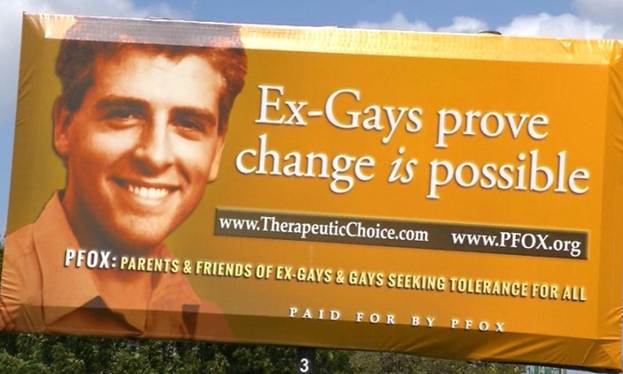
Proponents of conversion therapy made bold claims. They reported success rates ranging from 30% to 70%, asserting that motivated individuals could achieve heterosexuality through dedicated treatment. Organizations published testimonials from supposedly “ex-gay” individuals who claimed to have successfully changed their orientation and found happiness in heterosexual marriages.
The reality told a starkly different story. Rigorous scientific examination revealed that these claimed successes were largely illusory. Most studies supporting conversion therapy suffered from severe methodological flaws: they lacked control groups, relied on self-reporting without objective measures, defined “success” vaguely (often meaning merely behavioral change or suppression rather than orientation change), and failed to conduct long-term follow-up.
When researchers looked more closely, they found that many “success” stories involved people who had simply learned to suppress their attractions or who were bisexual to begin with. The claimed changes typically proved temporary. Numerous individuals who had been touted as conversion therapy success stories later came forward to acknowledge they remained gay and had only learned to hide or deny their true selves.
The recidivism rate was devastating. Studies that did conduct follow-ups found that the vast majority of people who underwent conversion therapy eventually acknowledged that their sexual orientation had not changed. Many who initially claimed success later returned to living openly as LGBTQ individuals, often after years of internal struggle and failed attempts to maintain a heterosexual identity.
The Harm Caused
Far from being merely ineffective, conversion therapy proved actively harmful. Research documented serious negative outcomes including depression, anxiety, decreased self-esteem, substance abuse, homelessness (particularly among youth rejected by families), social isolation, difficulty with intimacy and relationships, post-traumatic stress disorder, and suicidal ideation and attempts.
The psychological damage stemmed from the therapy’s fundamental premise: that something core to a person’s identity is broken and shameful. Participants internalized the message that they were defective, leading to profound shame and self-hatred. Many described feeling they had failed when the therapy didn’t “work,” adding guilt to their existing distress. The process of trying to suppress or deny one’s authentic self created lasting psychological wounds.
For minors subjected to conversion therapy—often at their parents’ insistence—the harm was particularly acute. Young people reported feeling betrayed by caregivers, isolated from peers, and fundamentally broken. Some were sent to residential programs that combined conversion therapy with other abusive practices. The suicide rate among LGBTQ youth who underwent conversion therapy was found to be significantly elevated compared to those who did not.
Exodus International and the Ex-Gay Movement
No organization embodied the conversion therapy movement more than Exodus International. Founded in 1976, Exodus became the largest ex-gay ministry in the world, with affiliated churches and counseling centers across North America and beyond. The organization promoted the message that through Christian faith and therapy, people could leave homosexuality behind.
Exodus leaders appeared on television, published books, and lobbied against LGBTQ rights legislation, citing their existence as proof that being gay was a choice. They offered hope to religious families struggling to reconcile their faith with their children’s sexual orientation, and to LGBTQ individuals tormented by religious teachings that condemned them.
The scandals that eventually surrounded Exodus were numerous and devastating. Multiple Exodus leaders and spokespeople who had claimed to be “ex-gay” were later discovered in same-sex relationships. John Paulk, once the poster child for the ex-gay movement whose story was featured in national advertising campaigns, eventually acknowledged he was still gay and renounced conversion therapy. Michael Bussee, a co-founder of Exodus, left the organization in 1979, came out as gay, and became a vocal critic of the movement.
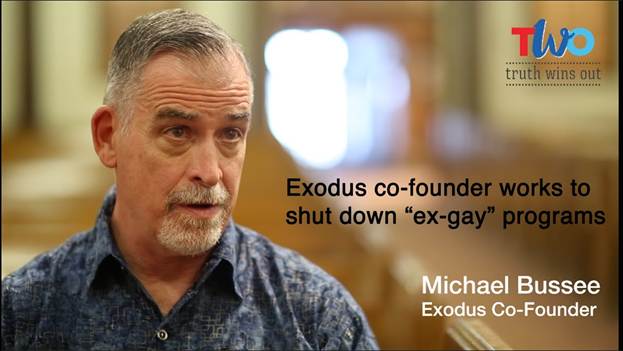
In 2012, Alan Chambers, then president of Exodus International, made a stunning admission: the majority of people who went through Exodus programs had not experienced a change in their sexual orientation. He acknowledged the harm the organization had caused. In June 2013, Chambers issued a formal apology to the LGBTQ community and announced that Exodus International would shut down. “I am sorry for the pain and hurt many of you have experienced,” he wrote. “I am sorry that some of you spent years working through the shame and guilt you felt when your attractions didn’t change.”
The closure of Exodus represented a watershed moment, but it did not end conversion therapy. Many former Exodus affiliates continued operating independently, and new organizations emerged to fill the void.
Professional Opposition and Scientific Consensus
As evidence of harm mounted, professional mental health organizations took increasingly firm stands against conversion therapy. The American Psychiatric Association led the way, stating in 2000 that conversion therapy can cause depression, anxiety, and self-destructive behavior. Their position paper emphasized that homosexuality is not a mental disorder and does not require treatment.
The American Psychological Association conducted a comprehensive review of research in 2009, concluding that conversion therapy was unlikely to be successful and carried significant risk of harm. They advised mental health professionals to avoid telling clients they could change their sexual orientation through therapy. The American Medical Association, American Academy of Pediatrics, American Counseling Association, National Association of Social Workers, and numerous other professional organizations issued similar statements.
These organizations affirmed that sexual orientation is not a choice and is not changeable through therapeutic intervention. They emphasized that the appropriate therapeutic response to a client struggling with their sexual orientation is to help them accept themselves, not to attempt to change them. The scientific consensus became clear and overwhelming: conversion therapy is neither ethical nor effective.
Legislative Battles
The fight over conversion therapy moved into legislative arenas as LGBTQ advocates sought legal protections, particularly for minors. California became the first state to ban conversion therapy for minors in 2012, followed quickly by New Jersey in 2013. These laws prohibited licensed mental health professionals from practicing conversion therapy on patients under 18.
The legislative efforts sparked fierce opposition. Religious organizations and conservative groups argued that such bans violated parental rights, religious freedom, and free speech. Legal challenges were mounted in multiple states, with opponents claiming that conversion therapy bans prevented therapists from helping clients who voluntarily sought to change their orientation.
Courts generally upheld the bans. In 2014, the Ninth Circuit Court of Appeals ruled that California’s law was constitutional, finding that the state had a legitimate interest in protecting minors from harmful practices. The Supreme Court declined to hear appeals, letting the ruling stand.
The momentum built gradually but persistently. By 2025, numerous states, the District of Columbia, and Puerto Rico had enacted similar protections. Many municipalities in states without statewide bans passed local ordinances. The bans typically applied only to licensed professionals working with minors, leaving religious counseling and services for adults largely unregulated, a compromise that allowed passage while leaving some activists unsatisfied.
However, the battle was far from one-sided. Some states introduced “anti-ban” legislation seeking to protect the practice of conversion therapy as a form of religious or therapeutic freedom. These efforts reflected ongoing cultural divisions over LGBTQ rights and the role of government in regulating healthcare and religious practices.
Where Things Stand Today
Conversion therapy exists in a state of contested territory. While banned for minors by licensed professionals in many jurisdictions, it continues in various forms: unlicensed religious counseling, life coaching that falls outside professional regulation, practices in states without protective legislation, and services for adults who voluntarily seek them.
The professional mental health community remains united in opposition. Major therapeutic organizations continue to condemn the practice and call for comprehensive bans. Research continues to document harm, with particular concern for vulnerable populations including LGBTQ youth, people in religious communities that condemn homosexuality, and individuals in countries where being LGBTQ is criminalized.
Internationally, the picture is mixed. Some countries, including Brazil, Ecuador, and Malta, have banned conversion therapy. The United Nations and World Health Organization have called for global bans. However, in many parts of the world, conversion therapy not only continues but thrives, often with government support or in societies where LGBTQ identities remain deeply stigmatized.
The legacy of conversion therapy serves as a sobering reminder of how prejudice can masquerade as treatment and how good intentions—whether from families or even some practitioners—can enable profound harm when built on flawed premises. For LGBTQ individuals, particularly those who survived these interventions, the scars often remain.
Moving forward, the focus has shifted toward affirmative therapy—approaches that help LGBTQ individuals accept themselves, cope with minority stress and discrimination, and build authentic lives. The question is no longer whether sexual orientation can be changed, but how to support people in thriving as their authentic selves.
The story of conversion therapy is ultimately about the human cost of treating identity as pathology. It stands as a cautionary tale for mental health care and a reminder that scientific evidence and human dignity must guide therapeutic practice, not cultural prejudice or wishful thinking.
 Unbedside Manners
Leave a comment