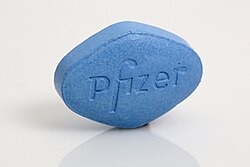
When most people think of Viagra (sildenafil) or Cialis (tadalafil), they associate these medications exclusively with male sexual dysfunction. However, researchers have long been curious about whether these drugs might offer similar benefits for women experiencing sexual difficulties. The answer, as it turns out, is considerably more complex than a simple yes or no.
Understanding the Pharmacology: How PDE5 Inhibitors Work
To understand whether these medications could help women, we first need to explore how they work at the biochemical level.
The Nitric Oxide Pathway
Both Viagra and Cialis belong to a class of drugs called phosphodiesterase type 5 (PDE5) inhibitors. Their mechanism of action centers on the nitric oxide (NO) signaling pathway, which plays a crucial role in smooth muscle relaxation throughout the body.
Here’s how the cascade works:
Step 1: Sexual Stimulation and Nitric Oxide Release When sexual arousal occurs (through physical or psychological stimulation), nerve endings and endothelial cells lining blood vessels release nitric oxide. This is a critical first step that these medications cannot replace or initiate on their own.
Step 2: Activation of Guanylate Cyclase Nitric oxide binds to and activates an enzyme called guanylate cyclase within smooth muscle cells. This enzyme then converts guanosine triphosphate (GTP) into cyclic guanosine monophosphate (cGMP).
Step 3: cGMP and Smooth Muscle Relaxation The accumulation of cGMP triggers a series of events that ultimately lower calcium levels within smooth muscle cells. This reduction in intracellular calcium causes the smooth muscles surrounding blood vessels to relax, leading to vasodilation (widening of blood vessels) and increased blood flow to the tissue.
Step 4: The Role of PDE5 Under normal circumstances, an enzyme called phosphodiesterase type 5 (PDE5) breaks down cGMP, which eventually returns the smooth muscle to its non-relaxed state and reduces blood flow back to baseline levels.
Step 5: How PDE5 Inhibitors Work Viagra and Cialis work by selectively inhibiting PDE5, preventing it from breaking down cGMP. This allows cGMP to accumulate to higher levels and persist for longer periods, prolonging smooth muscle relaxation and maintaining increased blood flow to the target tissues.
Key Biochemical Principle
It’s essential to understand that PDE5 inhibitors do not create arousal or initiate the nitric oxide cascade. They simply amplify and prolong the body’s natural response to sexual stimulation by preventing the breakdown of cGMP. Without the initial release of nitric oxide from arousal, these medications have little to no effect.
Effects on Muscles and Blood Flow
The smooth muscle relaxation induced by PDE5 inhibitors affects blood vessels throughout the body, though the medications show some tissue selectivity.
In Men
In men, PDE5 is highly concentrated in the corpus cavernosum of the penis. When PDE5 is inhibited, blood flow to this erectile tissue increases dramatically, facilitating and maintaining an erection sufficient for sexual activity. The mechanism is straightforward: increased blood flow leads to engorgement, which produces the physical changes necessary for penetrative intercourse.
In Women: The Anatomical Parallel
Women have analogous erectile tissues that respond to increased blood flow during arousal:
- Clitoral tissue: The clitoris contains erectile tissue that engorges with blood during arousal, similar to penile tissue
- Vaginal walls: Increased blood flow leads to vaginal lubrication through transudate (fluid passing through vessel walls)
- Labia: The labia minora and majora also experience increased blood flow and engorgement during arousal
Theoretically, PDE5 inhibitors should enhance blood flow to these tissues in women just as they do in men, since the underlying biochemical mechanisms are identical. Studies have confirmed that these medications do indeed increase genital blood flow in women.
The Critical Question: Does Increased Blood Flow Equal Enhanced Sexual Function?
This is where the science becomes fascinating and reveals a fundamental difference between male and female sexual response.
What the Research Shows
Multiple clinical trials have investigated whether Viagra or Cialis improve sexual function in women, particularly those with sexual arousal disorder or hypoactive sexual desire disorder. The results have been largely disappointing:
Physiological Response vs. Subjective Experience Studies consistently demonstrate that PDE5 inhibitors successfully increase genital blood flow in women. Using devices that measure vaginal pulse amplitude and lubrication, researchers have documented significant increases in these physiological markers of arousal when women take these medications.
However, when women are asked about their subjective experience—whether they feel more aroused, experience greater pleasure, or find sex more satisfying—the medications typically show no significant benefit compared to placebo.
The Disconnect: Why Blood Flow Isn’t Enough
This disconnect between physiological and psychological arousal reveals something important about female sexuality. Unlike the relatively linear relationship between genital blood flow and function in men (more blood flow = firmer erection = ability to have intercourse), female sexual response is considerably more complex.
Several factors contribute to this complexity:
1. The Role of Psychological Arousal Female sexual satisfaction appears to depend much more heavily on psychological factors including emotional connection, mental arousal, context, stress levels, relationship quality, and mood. Simply increasing blood flow to genital tissues does not address these psychological components.
2. Concordance Between Mind and Body Research on sexual concordance (the agreement between physical and mental arousal) shows that women typically have much lower concordance than men. A woman’s body may show physiological signs of arousal while her mind feels unaroused, or vice versa. Men generally show high concordance between genital response and subjective arousal.
3. Multiple Components of Sexual Response Female sexual dysfunction often involves multiple interrelated factors including desire, arousal, orgasm, pain, and satisfaction. Addressing blood flow alone targets only one small piece of this multifaceted puzzle.
Specific Conditions Where PDE5 Inhibitors Might Help Women
While general use in women has not proven beneficial, there are specific situations where these medications may offer some advantage:
1. Sexual Dysfunction Related to Antidepressants
Some studies suggest that PDE5 inhibitors may help counteract sexual side effects caused by selective serotonin reuptake inhibitors (SSRIs), though results are mixed. The medications may help improve physiological aspects of arousal that SSRIs impair.
2. Clitoral Blood Flow Issues
In cases where reduced clitoral sensation is specifically related to insufficient blood flow (rather than nerve damage or psychological factors), PDE5 inhibitors might theoretically provide benefit. However, this represents a small subset of female sexual dysfunction.
3. Postmenopausal Women
Some research has explored whether these medications might help address arousal difficulties in postmenopausal women experiencing changes in genital blood flow, though results remain inconclusive.
4. Women with Specific Medical Conditions
Conditions that affect blood flow systemically, such as diabetes or cardiovascular disease, might theoretically benefit from improved genital blood flow, though clinical evidence is limited.
Safety Considerations for Women
While Viagra and Cialis are generally well-tolerated, they are not without side effects:
- Headaches
- Flushing
- Nasal congestion
- Visual disturbances
- Dizziness
- Indigestion
More importantly, these medications are contraindicated in people taking nitrate medications (commonly prescribed for heart conditions) because the combination can cause dangerous drops in blood pressure.
Additionally, neither Viagra nor Cialis is FDA-approved for use in women. This means that any prescription would be off-label, and insurance typically would not cover the cost.
What Actually Helps Women with Sexual Dysfunction?
Given that PDE5 inhibitors generally don’t improve sexual satisfaction in women, what does work?
1. Addressing Psychological Factors
Sex therapy, cognitive behavioral therapy, and mindfulness-based approaches have shown significant benefit for many women with sexual difficulties. These therapies address the psychological components that play such a crucial role in female sexuality.
2. Hormone Therapy
For women experiencing sexual dysfunction related to hormonal changes (particularly during perimenopause and menopause), hormone replacement therapy or topical estrogen may help address vaginal dryness, pain, and atrophy.
3. FDA-Approved Medications for Women
- Flibanserin (Addyi): Approved for premenopausal women with hypoactive sexual desire disorder, this medication works on neurotransmitter systems rather than blood flow
- Bremelanotide (Vyleesi): An injectable medication also approved for low sexual desire in premenopausal women, working through melanocortin receptors
4. Treating Underlying Conditions
Addressing conditions that contribute to sexual dysfunction—such as depression, anxiety, relationship issues, chronic pain, or medication side effects—often proves more effective than attempting to treat the sexual symptoms directly.
5. Pelvic Floor Physical Therapy
For women experiencing pain during intercourse or difficulty with arousal related to pelvic floor dysfunction, specialized physical therapy can be remarkably helpful.
The Bottom Line
From a purely pharmacological perspective, PDE5 inhibitors like Viagra and Cialis do exactly what they’re designed to do in women: they inhibit the PDE5 enzyme, increase cGMP levels, promote smooth muscle relaxation, and enhance blood flow to genital tissues. The biochemical mechanism is sound, and the physiological effects are measurable.
However, improved blood flow does not translate to improved sexual sensitivity, pleasure, or satisfaction for most women. This reveals an important truth about human sexuality: the same biochemical pathway can have very different practical outcomes depending on the complex interplay of psychological, emotional, and social factors that influence sexual experience.
Female sexuality is not simply male sexuality in a different anatomical package. The relative importance of psychological versus physiological factors differs, and effective treatments must address this reality. For women experiencing sexual difficulties, a comprehensive approach that considers the full spectrum of physical, psychological, and relational factors is far more likely to help than a medication designed to address a primarily mechanical problem.
If you’re experiencing sexual difficulties, the most important first step is having an open conversation with a healthcare provider who can help identify the specific factors contributing to your concerns and develop a tailored treatment approach. While Viagra and Cialis probably won’t be part of that solution for most women, numerous other effective options exist.
Medical Disclaimer: This article is for informational purposes only and does not constitute medical advice. Always consult with a qualified healthcare provider regarding medical questions, conditions, or treatment options.
 Unbedside Manners
Leave a comment