Recent federal budget bills and policy decisions propose drastic cuts that would eliminate funding for critical scientific research at the National Institutes of Health (NIH) and various universities across the nation. While fiscal responsibility is important, these specific budgetary and policy decisions are not just penny-wise and pound-foolish; they are a direct threat to the health and well-being of every American.
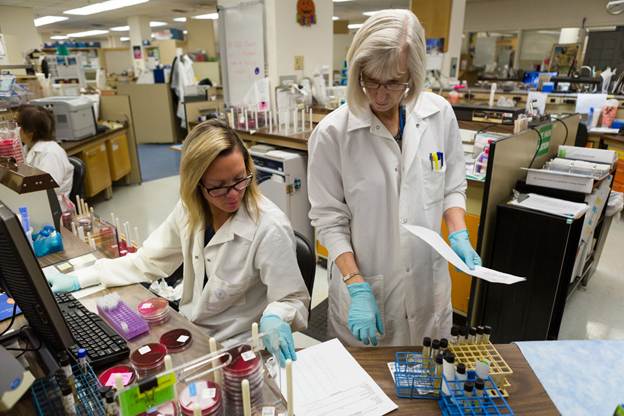
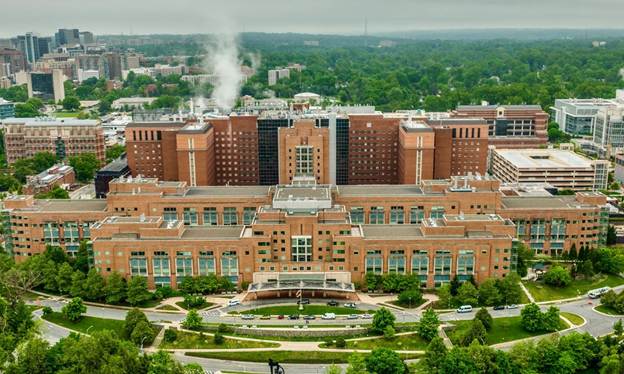
The NIH is the largest biomedical research agency in the world, responsible for groundbreaking discoveries that have led to treatments for diseases ranging from cancer to Alzheimer’s, and the development of life-saving vaccines. Universities, often in partnership with NIH, are hotbeds of innovation, fostering the next generation of scientists and pushing the boundaries of medical knowledge. Gutting their funding is akin to dismantling our medical lifeline.
The Dire Consequences for Public Health:
- Stifled Innovation and Delayed Cures: Imagine a future where the next breakthrough in cancer treatment, the vaccine for an emerging pandemic, or a more effective therapy for chronic diseases never sees the light of day. Without sustained funding, researchers cannot conduct the essential studies, trials, and investigations necessary to make these life-changing discoveries. We will simply stop making progress.
- Brain Drain and Loss of Expertise: Our nation’s top scientists are drawn to environments where their work is supported and valued. If funding evaporates, we risk a significant “brain drain” as talented researchers seek opportunities in other countries that prioritize scientific advancement. This loss of expertise will have long-lasting, detrimental effects on our capacity to address future health challenges.
- Increased Healthcare Costs: While it may seem counterintuitive, investing in preventative research and new treatments often reduces long-term healthcare costs. By understanding diseases better and developing more effective interventions, we can prevent serious illnesses, reduce hospital stays, and improve quality of life, ultimately saving billions in treatment expenses. Cutting research funding today will likely lead to far greater healthcare burdens tomorrow.
- Weakened Pandemic Preparedness: The COVID-19 pandemic starkly illustrated the critical importance of robust scientific research for rapid response and vaccine development. Eliminating funding now would leave us dangerously vulnerable to future public health crises, effectively disarming us in the face of unknown pathogens.
- Erosion of Public Trust and Global Leadership: America has long been a global leader in scientific discovery. Retreating from this commitment sends a troubling message to the world and undermines public trust in the ability of our institutions to protect citizens’ health.
Who Should Oppose These Moves?
The potential ramifications of these cuts are too significant to ignore. Everyone with an interest in a healthier future should actively oppose these budgetary decisions. This includes:
- Patients and Patient Advocates: Those directly affected by diseases and their families, who rely on research for hope and new treatments.
- Healthcare Professionals: Doctors, nurses, and other medical providers who understand the critical role research plays in advancing clinical care.
- Scientists and Academics: The researchers themselves, who are on the front lines of discovery, and the institutions that house them.
- Public Health Organizations: Groups dedicated to improving community health and preventing disease.
- Concerned Citizens: Anyone who believes in the power of science to improve lives and secure a healthier future for all.
We cannot afford to mortgage our future health for short-sighted budget cuts. Contact your elected officials, support organizations advocating for scientific research, and make your voice heard. Our collective health depends on it.
 Unbedside Manners
Leave a comment