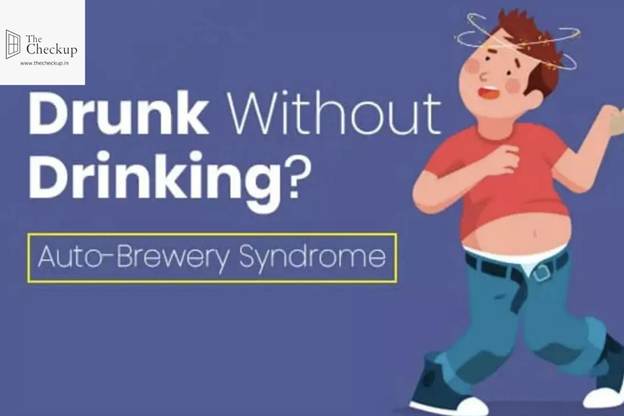
Imagine waking up feeling drunk without touching a drop of alcohol. For people with auto-brewery syndrome (ABS), also known as gut fermentation syndrome, this bizarre scenario is their reality. This rare medical condition turns the digestive system into a literal alcohol factory, producing enough ethanol to cause intoxication from eating ordinary carbohydrates.
How Does Your Gut Start Making Beer?
Auto-brewery syndrome occurs when certain yeasts or bacteria in the gastrointestinal tract ferment sugars and starches into ethanol—the same process brewers use to make beer and wine, except it’s happening inside your body. The most common culprit is Candida yeast, particularly Candida albicans and Candida glabrata, though certain bacteria can also trigger the condition.
When someone with ABS eats carbohydrate-rich foods like bread, pasta, or even fruit, these microorganisms go to work fermenting those sugars. The resulting alcohol is absorbed into the bloodstream, leading to elevated blood alcohol levels that can cause drunkenness, hangovers, and all the cognitive impairment that comes with drinking—except the person never actually drank anything alcoholic.
The Strange Symptoms
People with auto-brewery syndrome experience the full spectrum of intoxication symptoms. They might slur their words, lose coordination, feel dizzy or confused, and exhibit behavioral changes. They wake up with hangovers featuring headaches and nausea. Blood alcohol tests confirm what seems impossible: they’re legally drunk from eating a sandwich.
The condition can be devastating for those who suffer from it. Imagine being accused of secret drinking by family members, losing your driver’s license due to DUI charges when you haven’t had a drink, or being unable to hold down a job because you appear intoxicated at random times. The psychological toll is significant, especially before diagnosis when sufferers themselves can’t understand what’s happening.
What Triggers This Unusual Condition?
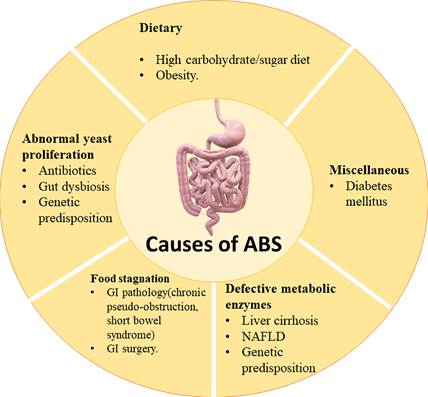
Auto-brewery syndrome typically doesn’t develop out of nowhere. Several factors can set the stage for gut fermentation, with antibiotic use being a major trigger. Antibiotics can wipe out beneficial gut bacteria, allowing opportunistic yeast to overgrow unchecked. Other risk factors include diabetes, Crohn’s disease, liver problems, and conditions that compromise the immune system.
In some documented cases, people developed ABS after receiving antibiotics for unrelated infections. One woman’s case became famous when she was pulled over multiple times for suspected drunk driving despite insisting she never drank alcohol. Medical testing eventually revealed her body was producing alcohol endogenously.
Diagnosis and Treatment
Diagnosing auto-brewery syndrome requires ruling out actual alcohol consumption—no small feat when breathalyzers and blood tests show clear intoxication. Doctors typically conduct a carbohydrate challenge test, where the patient eats a high-carb meal in a controlled setting while being monitored for blood alcohol levels. Stool samples can identify the specific microorganisms responsible.
Treatment focuses on rebalancing the gut microbiome. Antifungal medications like fluconazole or nystatin help eliminate yeast overgrowth. Patients typically adopt a low-carbohydrate diet to starve the fermenting organisms of their fuel source. Probiotics may help restore healthy gut bacteria. In severe cases, treatment can take months, requiring strict dietary adherence and sometimes multiple rounds of medication.
Living with ABS
For those diagnosed with auto-brewery syndrome, managing the condition becomes a daily balancing act. They must carefully monitor their diet, avoiding high-sugar and high-carb foods that trigger fermentation. Many carry medical documentation explaining their condition in case of traffic stops or other situations where appearing intoxicated could have serious consequences.
While auto-brewery syndrome remains rare, increased awareness has helped more people receive proper diagnosis rather than facing skepticism or accusations. As research continues, medical professionals are becoming better equipped to recognize and treat this peculiar condition where the body truly does become its own brewery—whether you want it to or not.
 Unbedside Manners
Leave a comment