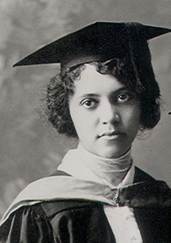
In the annals of medical history, countless breakthroughs have saved lives and alleviated suffering. Yet, the names behind some of the most profound discoveries remain shrouded, often due to the systemic biases that plagued scientific institutions for centuries. One such name is Alice Ball, a brilliant chemist whose innovative treatment for leprosy transformed the lives of thousands, only for her contributions to be nearly erased from history.
Born in Seattle, Washington, in 1892, Alice Augusta Ball was a trailblazer from a young age. Her family was educated and supportive, fostering an environment where her intellectual curiosity could flourish. She excelled in science, earning degrees in pharmaceutical chemistry and pharmacy from the University of Washington. Her academic prowess led her to the University of Hawaii, where she became the first woman and the first African American to earn a Master’s degree from the institution. This was a remarkable achievement in itself, at a time when opportunities for women and people of color in higher education, especially in scientific fields, were severely limited.
Ball’s master’s research focused on the chemical properties of Piper methysticum, also known as kava, and its active compounds. Her exceptional skill in isolating active compounds and developing purification methods quickly caught the attention of Dr. Harry Hollmann, a surgeon at Kalihi Hospital in Hawaii, which specialized in treating leprosy.
At the turn of the 20th century, leprosy (Hansen’s disease) was a devastating and highly stigmatized illness with no effective cure. Patients were often exiled to isolated communities, like the infamous Kalaupapa settlement on Molokai, where they lived out their lives in segregation and despair. The most promising treatment at the time involved chaulmoogra oil, derived from the seeds of the Hydnocarpus wightianus tree. However, this oil was thick, insoluble in water, and intensely irritating when applied to the skin or ingested. Patients often experienced severe nausea and vomiting, making sustained treatment nearly impossible.
Dr. Hollmann desperately needed a way to make chaulmoogra oil tolerable and effective. He recognized Alice Ball’s unique talents in chemistry and approached her to find a solution. Ball, still in her early twenties, took on the monumental challenge. Through rigorous experimentation, she devised a revolutionary method: she isolated the active ester compounds from chaulmoogra oil and, more importantly, chemically modified them to create a water-soluble, injectable form. This “Ball Method” meant the drug could be safely administered intravenously or intramuscularly, allowing it to be absorbed effectively by the body without the horrendous side effects of the raw oil.
The impact was immediate and profound. Patients who had previously suffered immensely from chaulmoogra oil could now receive consistent treatment. Many showed remarkable improvement, and some were even able to leave the leper colonies and return to their families. The Ball Method became the standard treatment for leprosy worldwide for decades, until the advent of multi-drug therapy in the 1940s.
Tragically, Alice Ball did not live to see the full impact of her discovery or receive the recognition she deserved. She fell ill during her research, possibly due to exposure to toxic chemicals in the lab, and returned to Seattle for treatment. She passed away on December 31, 1916, at the tender age of 24. Her death certificate cited tuberculosis as the cause, though the full circumstances remain somewhat unclear.
Before she could publish her groundbreaking findings, her life was cut short. Following her death, Dr. Arthur Dean, the president of the University of Hawaii and a chemist himself, continued her work. He began producing large quantities of the injectable chaulmoogra oil, but he published the results without giving Alice Ball any credit, even going so far as to call it “The Dean Method.” This blatant act of intellectual theft stripped Ball of her rightful place in medical history.
It took years for the injustice to be rectified. Dr. Harry Hollmann, the physician who initially sought Ball’s help, publicly advocated for her recognition, publishing an article in 1922 that credited her with the discovery. However, the “Dean Method” persisted in medical literature for too long. Only in recent decades has her story been brought to light, largely thanks to the efforts of historians and scientists who recognized the systemic erasure of women and minorities from scientific narratives.
Today, Alice Ball is celebrated as a pioneer. The University of Hawaii has honored her with a plaque and scholarships in her name. Her legacy stands as a powerful reminder of the hidden figures of science and the importance of ensuring that credit is given where it is due, regardless of gender or race. Her brilliance not only offered hope and healing to countless leprosy patients but also illuminated the path for future generations of diverse scientists.
 Unbedside Manners
Leave a comment