
Medical breakthroughs are often attributed to the “great men” who lead the laboratories, but the true labor of discovery frequently happens at the hands of those they supervise. Marthe Gautier, a French pediatrician and researcher, is the woman who actually looked through the microscope and discovered the chromosomal cause of Down syndrome. Yet, for over half a century, the credit for this discovery was hijacked by her colleague Jérôme Lejeune, leaving Gautier in a decades-long struggle for recognition.
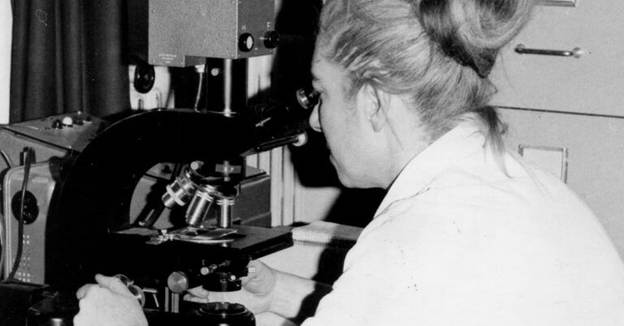
Born in 1925, Gautier was a brilliant medical student who specialized in pediatrics. In the mid-1950s, she received a scholarship to study at Harvard, where she learned the cutting-edge techniques of cell culture. Upon returning to France, she joined the laboratory of Raymond Turpin at Trousseau Hospital. Turpin had long hypothesized that Down syndrome was caused by a chromosomal abnormality, but he lacked the technical skill to prove it. Gautier, with her Harvard training, was the missing link.
Working in a cramped, poorly equipped lab, Gautier managed to culture cells from patients with Down syndrome—a feat that was notoriously difficult at the time. In May 1958, while examining the cells under a microscope, she counted 47 chromosomes instead of the usual 46. She had discovered Trisomy 21.
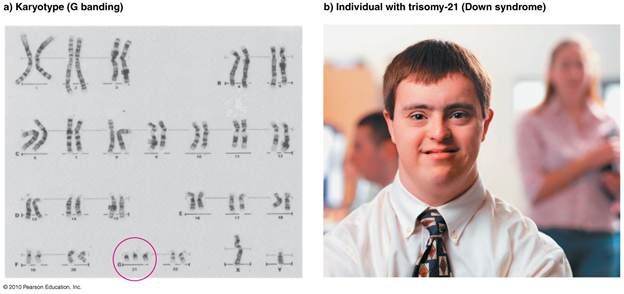
Lacking a high-quality camera to document her findings, she handed her slides to Jérôme Lejeune, a younger researcher in the lab, so he could photograph them at another facility. Instead of simply taking photos, Lejeune took the slides to an international conference and presented the discovery as his own. When the landmark paper was published in 1959, Lejeune was listed as the first author, and Gautier’s name was misspelled and relegated to a secondary position.
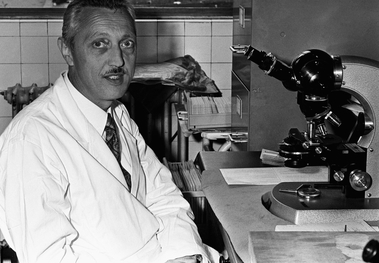
Lejeune, the true villain of this story, went on to become a world-renowned figure, receiving the Kennedy Prize and being nominated for a Nobel. Gautier, disillusioned by the theft of her work, eventually left the field of genetics to practice clinical pediatrics. It wasn’t until the 21st century, in her late 80s, that she was finally honored by the French Society of Human Genetics and awarded the Legion of Honour, officially restoring her place as the true discoverer of the extra chromosome.
 Unbedside Manners
Leave a comment