
Fountain of Youth” Peptide
The Fibroblast Activation Pathway
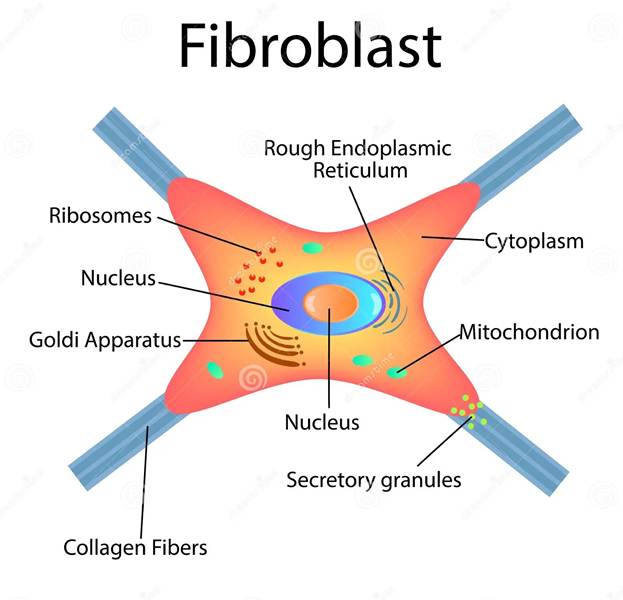
Fibroblasts are the “construction workers” of your connective tissue, residing in the extracellular matrix, the structural network of proteins and polysaccharides that holds cells together and provides the scaffolding for tissues. GHK-Cu has profound effects on these cells, and understanding this pathway reveals why the peptide is so effective for skin health and tissue repair.
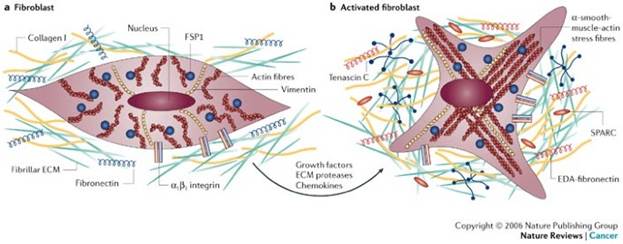
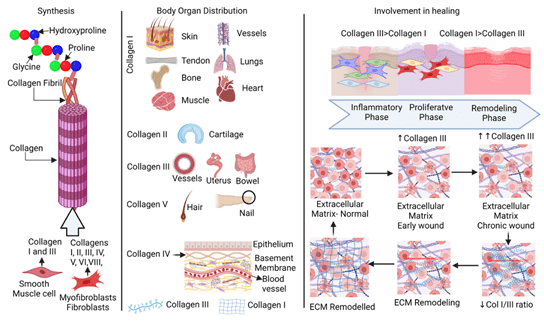
GHK-Cu stimulates fibroblasts to dramatically increase production of Type I Collagen, the primary structural protein in skin, tendons, and bones. Type I collagen forms strong, rope-like fibers that provide tensile strength to tissues. The peptide also enhances Type III Collagen synthesis, found predominantly in blood vessels and organs, which provides more flexible support. But collagen alone doesn’t create healthy tissue, elastin is equally crucial.
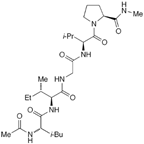
Elastin is the protein that gives skin its elasticity, the ability to stretch and return to shape. Think of collagen as providing strength and elastin as providing spring. GHK-Cu increases elastin synthesis, which is particularly important because natural elastin production declines dramatically with age. Unlike collagen, which the body continuously produces and degrades throughout life, elastin is largely laid down during development and early adulthood. Once damaged, it’s rarely replaced naturally. GHK-Cu appears to reactivate elastin production pathways that have become dormant.
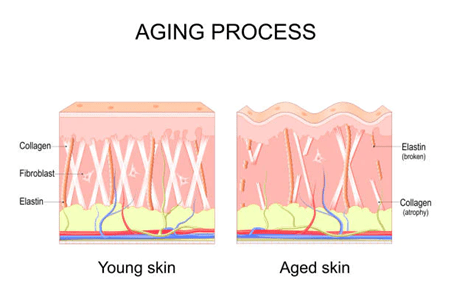
The peptide also increases production of Glycosaminoglycans, long-chain polysaccharides that attract and hold water in the extracellular matrix. The most famous GAG is hyaluronic acid, which can hold up to one thousand times its weight in water. This isn’t just about hydration in the superficial sense; water content in the ECM affects tissue volume, nutrient diffusion, and mechanical properties. Tissues with adequate GAG content are plump, resilient, and mechanically functional. Aged or damaged tissue tends to be dehydrated and brittle.
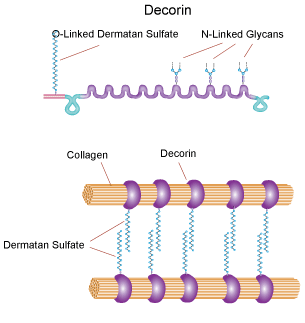
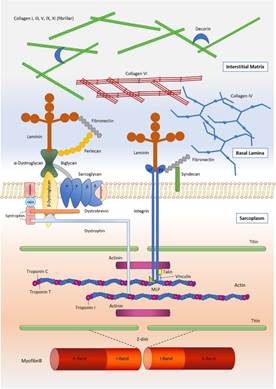
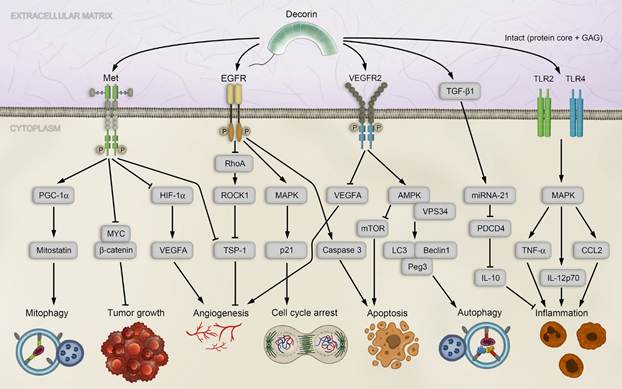
GHK-Cu also upregulates Decorin, a small proteoglycan that regulates collagen fiber assembly, among many other pathways it can participate in. Decorin ensures that newly synthesized collagen fibers are organized into proper parallel arrays rather than the disorganized tangles characteristic of scar tissue. This is why wounds treated with GHK-Cu tend to heal with better cosmetic outcomes—the collagen architecture is more normal.
The Remodeling Process: Destruction and Reconstruction
Here’s where GHK-Cu becomes truly sophisticated. It doesn’t merely tell cells to make more collagen; it orchestrates a complete remodeling process that involves both building and controlled destruction.
Matrix Metalloproteinases are enzymes that break down collagen and other ECM components. This sounds destructive, but it’s absolutely essential. Old, damaged, or improperly formed collagen must be removed before new, healthy collagen can be laid down. Think of it like renovating a building: You can’t just keep adding new materials over damaged structure. You must first clear away what’s broken.
GHK-Cu has a biphasic effect on MMPs that demonstrates elegant biological timing. In the early phase of tissue remodeling, it increases certain MMPs, particularly MMP-2 and MMP-9, to clear away damaged tissue. These enzymes essentially “eat” old collagen, creating space and releasing signaling molecules that recruit repair cells. In the later phase, once new tissue is being laid down, GHK-Cu suppresses excessive MMP activity to prevent over-degradation. The net effect is the removal of “bad” collagen—damaged, excessively cross-linked, or scarred—and its replacement with fresh, properly organized fibers.
This is tissue remodeling, the same process that occurs naturally in young, healthy tissue but becomes increasingly dysfunctional with age. In aged skin, MMPs are often constitutively elevated due to chronic inflammation and oxidative stress, leading to net collagen loss. Simultaneously, the quality of new collagen synthesis declines. GHK-Cu appears to reset this balance.
The peptide also upregulates Tissue Inhibitors of Metalloproteinases, which regulate MMP activity. TIMPs bind to active MMPs and inhibit them, ensuring the degradation process doesn’t proceed unchecked. The balance between MMPs and TIMPs determines whether tissue is in a state of net breakdown or net building. GHK-Cu optimizes this ratio, creating an environment where damaged ECM is removed and replaced with high-quality new matrix.
Continue for Part 3
 Unbedside Manners
Leave a comment