Who is Peter Attia?
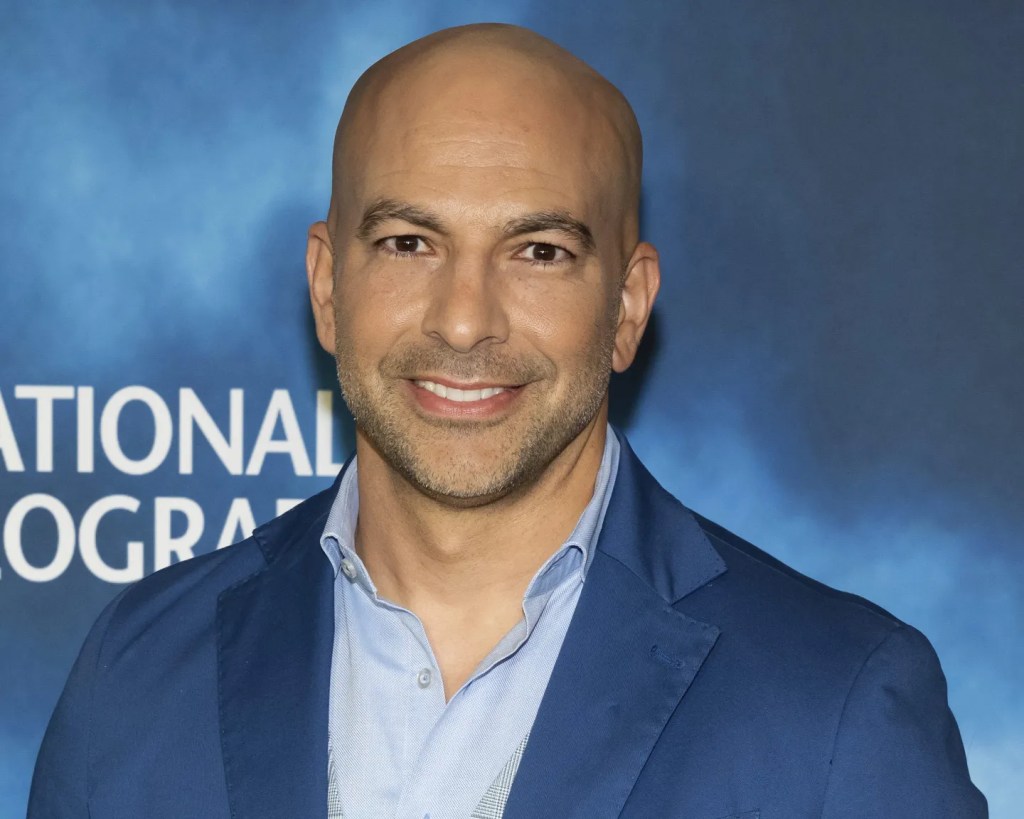
In the world of longevity, few figures are as polarizing or as influential as Dr. Peter Attia. While he is often categorized alongside “biohackers,” Attia’s approach is fundamentally different, rooted in a unique blend of engineering logic, surgical rigor, and a radical rethink of the medical establishment.
The Concept: Healthspan vs. Lifespan
Attia’s philosophy centers on a critical distinction: Lifespan (how long you live) versus Healthspan (how well you live). He argues that modern medicine, what he calls Medicine 2.0, is excellent at preventing you from dying in the acute phase (e.g., after a heart attack) but terrible at preventing the slow decay that precedes it.
His goal is Medicine 3.0: a proactive, personalized framework designed to crush the “Four Horsemen” of aging: Heart Disease, Cancer, Neurodegenerative Disease, and Type 2 Diabetes, decades before they manifest.
The Resume: Addressing the “Residency” Question
There is frequent online chatter regarding Peter Attia’s medical credentials, specifically whether he completed his training. To clarify the timeline:
- Education: B.Sc. in Mechanical Engineering and Applied Mathematics (Queen’s University) followed by an M.D. from Stanford University School of Medicine.
- Surgical Training: Attia spent five years at the Johns Hopkins Hospital in general surgery. During this time, he was highly regarded, even earning the “Resident of the Year” award.
- The Fellowship: He spent two years at the National Institutes of Health (NIH) as a surgical oncology fellow, researching immunotherapy for melanoma.
- The Pivot: You heard correctly that he did not finish the full residency track to become a board-certified surgeon. Disillusioned by the “reactive” nature of terminal cancer care and facing burnout, Attia left Johns Hopkins with roughly two years of training remaining.
- McKinsey & Co: He spent two years as a consultant at McKinsey, applying “credit risk” mathematical models to human health, a perspective that now defines his data-heavy approach to longevity.
Attia vs. Biohacking: The Great Divide
It is a mistake to view Peter Attia as a typical biohacker. While biohackers often focus on “quick fixes” or fringe experiments, Attia’s work is characterized by:
- Clinical Rigor: He relies on high-level diagnostics (DEXA scans, VO2 Max testing, and ApoB blood panels) rather than unproven gadgets.
- Long-Term Strategy: Biohacking often seeks immediate performance; Attia seeks to optimize your “Marginal Decade”, the last ten years of your life.
- Medical Supervision: His practice, Early Medical, is a high-touch clinical service, not a DIY enthusiast community.
Controversies: The Cost of Disruption
Attia’s rise has not been without pushback. Critics often point to:
- The “Elite” Barrier: With a concierge practice that can cost tens of thousands of dollars, his brand of Medicine 3.0 is often labeled as “healthcare for the 1%.”
- Aggressive Intervention: His stance on using statins and PCSK9 inhibitors very early in life to drive ApoB to “infant levels” is considered too aggressive by some conservative cardiologists.
- No Board Certification: Because he stepped away from his surgical residency, he is not board-certified in a specialty. While he is a licensed MD, critics use this to question his “expert” status in primary care or lipidology.
The Bottom Line
Whether he is a “drop-out” or a “visionary” depends on your perspective. However, his ability to synthesize complex biochemistry into actionable protocols has made him the de facto leader of the longevity movement.
 Unbedside Manners
Leave a comment