Why Sleep Duration is Only Half the Equation
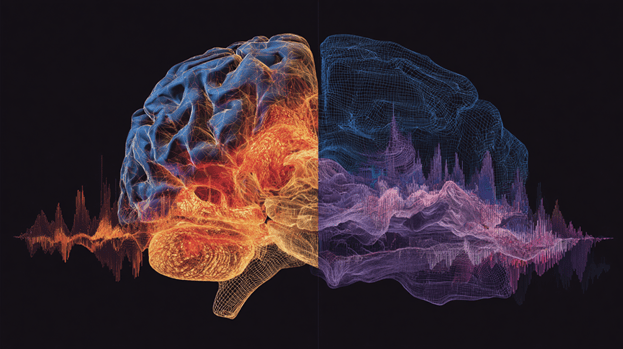
Everyone knows sleep is important. “Get eight hours” has become the default health advice. But here’s what the sleep optimization crowd understands that most people miss: duration is only half the equation. What matters more is sleep architecture, the structure and quality of your sleep cycles.
You can sleep nine hours and wake up wrecked. Or sleep six hours and feel phenomenal. The difference? How you move through the stages of sleep and what’s happening in your brain and body during those stages.
Understanding Sleep Architecture
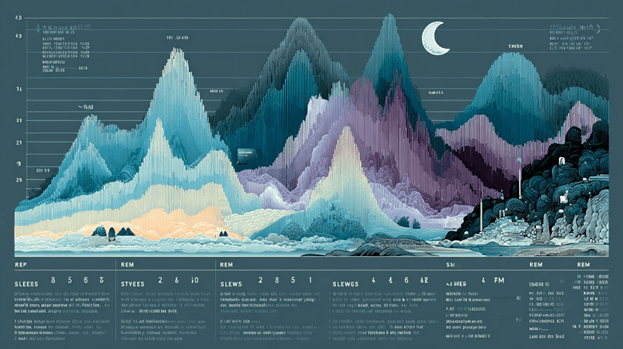
Sleep isn’t a uniform state. You cycle through four distinct stages multiple times per night:
Stage 1 (Light Sleep): Transition phase, easily disrupted. Lasts 1-5 minutes.
Stage 2 (Light Sleep): Body temperature drops, heart rate slows. This is where sleep spindles occur—bursts of brain activity that consolidate memories and learning. Comprises 50% of total sleep.
Stage 3 (Deep Sleep / Slow-Wave Sleep): This is the restorative jackpot. Growth hormone is released, tissues repair, immune system strengthens, metabolic waste is cleared from the brain. The first cycle has the most deep sleep; it decreases with each subsequent cycle.
REM Sleep (Rapid Eye Movement): Where vivid dreams occur. Critical for emotional regulation, creativity, memory consolidation. Increases in duration with each cycle through the night.
A typical night includes 4-6 complete cycles, each lasting 90-120 minutes. The goal isn’t just “8 hours”—it’s maximizing deep and REM sleep while minimizing disruptions.
The Biohacker’s Sleep Optimization Stack
1. Control Your Light Environment


Your circadian rhythm—your internal biological clock—is exquisitely sensitive to light:
- Morning light exposure: Get 10-30 minutes of direct sunlight within 1 hour of waking. This anchors your circadian rhythm and promotes cortisol production (which should be high in the morning).
- Blue light blocking: After sunset, minimize blue light exposure. Use blue-blocking glasses (amber or red-tinted) if using screens. Better yet, switch to red lights in your home 2-3 hours before bed.
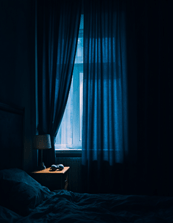
- Complete darkness: Your bedroom should be cave-dark. Even small amounts of light (from alarm clocks, streetlights) suppress melatonin. Use blackout curtains or a sleep mask.
2. Temperature Hacking
Core body temperature must drop 2-3°F to initiate and maintain deep sleep:
- Cool bedroom: 65-68°F is optimal for most people.
- Hot bath or sauna 90 minutes before bed: Counterintuitively, heating your body triggers a compensatory cooling response afterward, facilitating sleep onset.
- Cooling devices: Consider a ChiliPad or Eight Sleep mattress that actively cools your sleep surface.
3. The Strategic Supplement Protocol
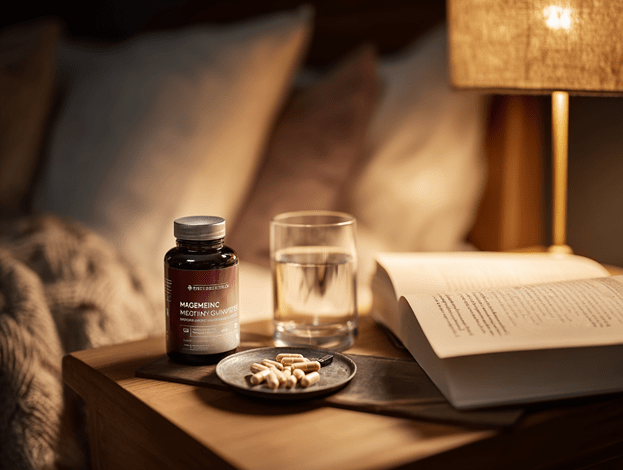
These compounds enhance specific aspects of sleep architecture:
For Deep Sleep:
- Magnesium glycinate or threonate: 400-600mg 1-2 hours before bed. Calms the nervous system, supports GABA.
- Glycine: 3g before bed. Lowers core body temperature and increases time spent in deep sleep.
For REM Sleep:
- Huperzine A: 200mcg before bed. Inhibits acetylcholine breakdown, enhancing REM. (Use intermittently, not nightly.)
For Sleep Onset:
- Apigenin: 50mg (found in chamomile). Binds to GABA receptors, promotes relaxation.
- L-Theanine: 200-400mg. Promotes alpha brain waves without sedation.
Melatonin: If using, dose correctly: 0.3-1mg is sufficient. Most supplements contain 5-10mg, which is excessive and can cause grogginess.
4. Pre-Sleep Wind-Down Protocol
Your brain needs a transition period:
- 90-120 minutes before bed: No stimulating content (action movies, work emails, arguments). Switch to relaxing activities.
- 60 minutes before: No screens. Read a physical book, practice breathwork (box breathing: 4 seconds in, 4 hold, 4 out, 4 hold).
- 30 minutes before: Final bathroom trip, bedroom prep (cool, dark, quiet).
5. Track and Optimize
You can’t optimize what you don’t measure:
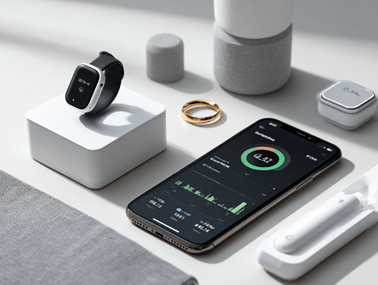
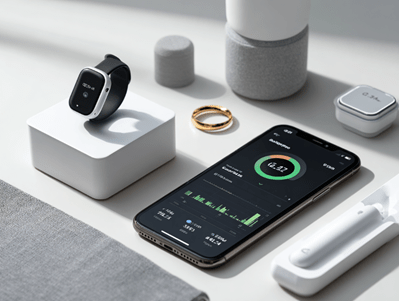
- Wearables: Oura Ring, WHOOP, or Apple Watch track sleep stages, heart rate variability (HRV), and respiratory rate.
- Key metrics to track:
- Total sleep time
- Time in deep sleep (target: 15-25% of total, or 90-120 minutes)
- Time in REM sleep (target: 20-25% of total)
- Sleep efficiency (time asleep / time in bed, target: >85%)
- Resting heart rate (should be low and consistent)
The Compound Effect
Sleep optimization is the ultimate biohack because it compounds. Better sleep improves:
- Muscle protein synthesis (growth hormone release during deep sleep)
- Fat loss (poor sleep disrupts leptin and ghrelin, hunger hormones)
- Cognitive performance (memory consolidation occurs during REM)
- Immune function (deep sleep activates T-cells and antibody production)
- Longevity (chronic sleep deprivation is linked to every age-related disease)
Stop chasing marginal gains from exotic supplements or training protocols while ignoring the 6-8 hours you spend unconscious. Master your sleep architecture first. Everything else becomes easier.
The biohacker’s advantage isn’t working harder—it’s recovering smarter.

 Unbedside Manners
Leave a comment