
In the world of biohacking, simply “living longer” isn’t the goal. The true pursuit is healthspan, extending the number of years you live in optimal health, free from disease and decline. To achieve this, biohackers don’t just guess; they measure. They focus on longevity markers: the objective, biological data points that indicate how fast (or slow) your body is actually aging.
Forget your birth certificate; your real age is written in your cells. Here’s how biohackers read it.
The Hallmarks of Aging: What We’re Tracking
Scientists have identified several “Hallmarks of Aging” at the cellular and molecular level. Biohacking aims to directly influence these:

- Telomere Length: Imagine the plastic tips on shoelaces; telomeres are protective caps on the ends of your DNA strands (chromosomes). Every time your cells divide, telomeres shorten. Critically short telomeres are associated with cellular aging and increased disease risk.
- Biohacker Strategy: While a complex marker, strategies like reducing chronic stress, increasing omega-3 fatty acids, and regular exercise are linked to telomere preservation.
- Measurement: Specialized blood tests (e.g., from TeloYears, SpectraCell) can measure average telomere length.
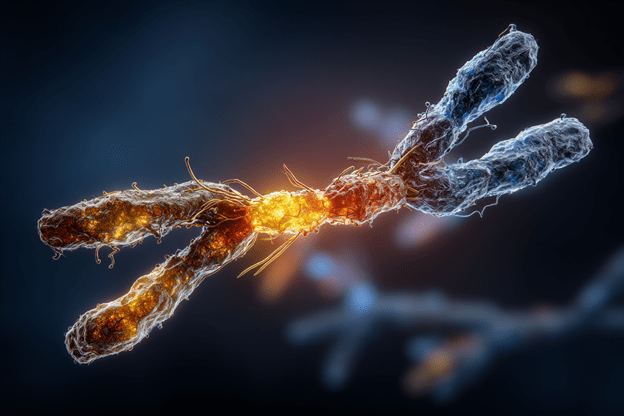
- Epigenetic Clocks: Your DNA sequence is fixed, but your epigenome is a dynamic layer of instructions that tells your genes what to do and when. Epigenetic clocks (like the Horvath Clock or the GrimAge clock) analyze patterns of DNA methylation to estimate your “biological age” with remarkable accuracy. This is considered one of the most precise longevity markers.
- Biohacker Strategy: Diet (especially methylation-supporting nutrients like folate, B12), exercise, sleep, and even exposure to certain compounds (e.g., alpha-ketoglutarate) are thought to influence epigenetic aging.
- Measurement: Advanced blood tests (e.g., from TruDiagnostic, Elysium Health) analyze methylation patterns.

- Mitochondrial Function: As discussed in our previous post, mitochondria are your cellular powerhouses. Dysfunctional mitochondria produce less energy and more damaging free radicals, accelerating aging.
- Biohacker Strategy: Optimized fuel (healthy fats, ketones), hormetic stressors (HIIT, cold/heat exposure), and targeted supplements (CoQ10, NAD+ precursors) all aim to boost mitochondrial health.
- Measurement: While direct measurement is complex, markers like lactate levels (indicating inefficient energy production) or VO2 max (overall aerobic capacity) serve as indirect proxies.
- Inflammation Markers (CRP, Homocysteine): Chronic low-grade inflammation is a silent killer, contributing to virtually every age-related disease.
- Biohacker Strategy: Anti-inflammatory diets (rich in omega-3s, polyphenols), gut health optimization, and stress reduction are key.
- Measurement: Basic blood tests for High-Sensitivity C-Reactive Protein (hs-CRP) and Homocysteine are readily available.
- Metabolic Health (Glucose, Insulin Sensitivity): Stable blood sugar and high insulin sensitivity are hallmarks of metabolic youth. Chronically high glucose levels and insulin resistance drive cellular damage.
- Biohacker Strategy: Continuous Glucose Monitors (CGMs), low-glycemic diets, intermittent fasting, and strategic exercise are central.
- Measurement: Fasting glucose, HbA1c, fasting insulin, and CGM data.
The Biohacker’s Edge: A Personalized Roadmap
Measuring these markers provides a personalized roadmap. If your telomeres are shortening rapidly, you might double down on stress reduction. If your epigenetic clock is ticking too fast, you might re-evaluate your methylation donors.
This isn’t about vanity; it’s about empowerment. By understanding your biological age and the factors influencing it, you move beyond generic health advice to a precise, data-driven strategy for extending your healthspan. It’s about optimizing the journey, not just prolonging it.

 Unbedside Manners
Leave a comment