The GLP-1 Revolution: Beyond Weight Loss
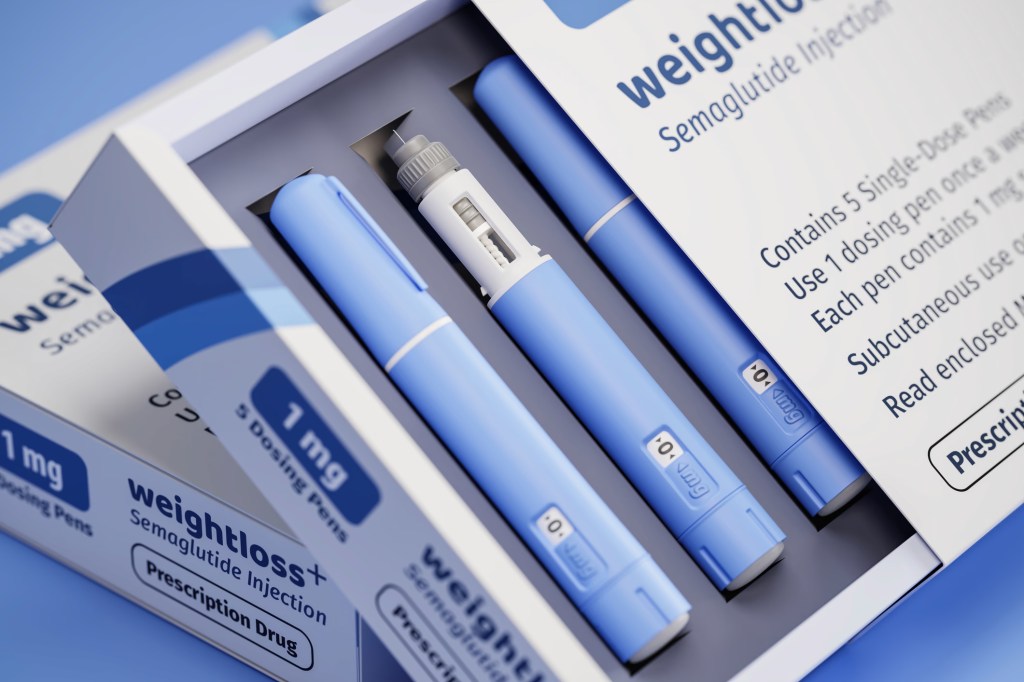
We are currently living through the most significant pharmacological shift since the discovery of statins. Drugs like semaglutide (Ozempic/Wegovy) and tirzepatide (Mounjaro/Zepbound) have become household names, primarily marketed as “miracle” weight loss injections.
However, if you view these strictly as “diet drugs,” you are missing the forest for the trees. By understanding the underlying biochemistry—the stuff often glossed over in 30-second TV commercials—we can see that these molecules are actually sophisticated metabolic regulators that influence everything from systemic inflammation to neuroprotection.
The Molecular Architecture: What is GLP-1?
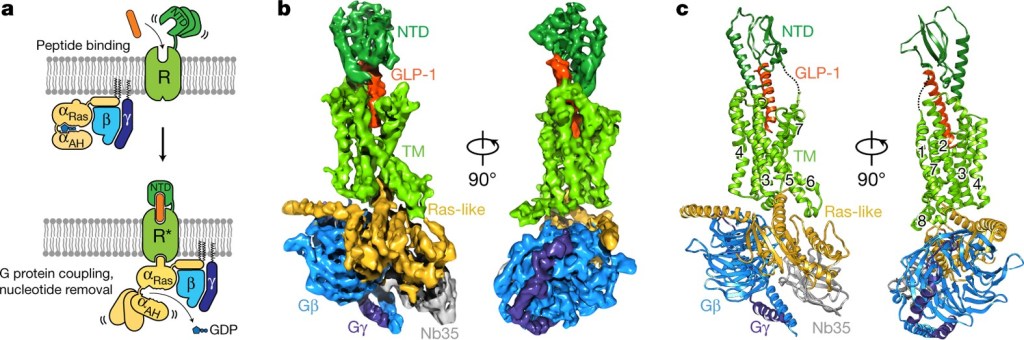
To understand these drugs, we first have to understand the Incretin System. In nature, when you eat, your gut releases hormones called incretins. The most famous is Glucagon-Like Peptide-1 (GLP-1).
In its natural state, GLP-1 has a “half-life” of about two minutes. It is released, it tells your pancreas to secrete insulin, and then it is immediately destroyed by an enzyme called DPP-4.
“Big Pharma’s” genius wasn’t inventing GLP-1; it was re-engineering the molecule to survive. By swapping out specific amino acids and adding a fatty acid “tail” (a process we’ve discussed in our biochemistry series as acylation), they created a version that the body can’t easily break down. Instead of a two-minute half-life, semaglutide lasts for an entire week.
The Dual-Action Secret: Tirzepatide
While semaglutide mimics GLP-1, tirzepatide takes it a step further. It is a “Twincretin.” It mimics GLP-1 and another hormone called GIP (Glucose-dependent Insulinotropic Polypeptide).
For years, scientists thought GIP was useless for weight loss. But at the molecular level, GIP acts as a “buffer.” It helps the body manage insulin while potentially reducing the nausea associated with GLP-1. This synergistic effect is why tirzepatide often shows superior weight loss results in clinical trials: it isn’t just shouting at the body to stop eating; it’s whispering to two different receptor systems at once.
Beyond the Scale: The Systemic Impact
Why does “Big Pharma” focus so heavily on weight loss? Because weight loss is a measurable, marketable outcome that justifies a high price tag. But the molecular mechanisms reveal benefits that have nothing to do with the number on your scale:
1. Cardiovascular Protection (The “Inflammation Hack”)
Recent trials (like the SELECT trial) showed a 20% reduction in major adverse cardiovascular events. Biochemically, GLP-1 receptors aren’t just in the gut; they are in the lining of your blood vessels. These drugs appear to reduce atherosclerosis (plaque buildup) by dampening the inflammatory response of macrophages—the white blood cells that normally turn into foam cells and clog arteries.
2. Neuroprotection and Dopamine
Perhaps the most “uncomfortable” area for traditional medicine is the effect these drugs have on the brain. GLP-1 receptors are found in the ventral tegmental area, the brain’s reward center. By modulating dopamine signaling, these drugs don’t just stop food cravings; anecdotally, patients are reporting a decreased desire for alcohol, nicotine, and even compulsive shopping. We are looking at a molecule that may fundamentally re-wire our relationship with “reward.”
3. Kidney Health and Organ Repair
Chronic kidney disease is often a death sentence for diabetics. However, GLP-1 agonists reduce oxidative stress in the renal tubules. By lowering the “metabolic noise” in the body, they allow organs that were previously under constant siege by high glucose to enter a state of repair.
The “Muscle Waste” Controversy: The Structural Cost
One area that requires critical thinking is sarcopenia, or muscle loss. When you lose weight rapidly on GLP-1s, about 25–40% of that weight can be lean muscle mass.
From a biochemistry perspective, this happens because the body is in a profound caloric deficit. When the “Insulin Manager” we discussed in previous lessons is quiet, the body enters a catabolic state. To prevent this, users must prioritize high protein intake and resistance training to send a “structural signal” to the cells that says: Burn the lipids, keep the protein machinery.
The “Big Pharma” Perspective: Why the Secrecy?
Why don’t we hear more about the neuroprotective or anti-inflammatory aspects?
- Regulatory Hurdles: It is much easier and faster to get FDA approval for “weight loss” or “diabetes” than for “general anti-aging” or “addiction.”
- The Lifetime Customer: If these drugs are framed as a “lifestyle” fix for obesity, they become a permanent subscription. If they are understood as a short-term metabolic “reset” or an anti-inflammatory tool, the treatment window might be shorter.
Conclusion: A Tool, Not a Crutch
The GLP-1 revolution is about more than fitting into smaller clothes. It is a masterclass in how small changes to a peptide chain can exert massive control over the human “Control Center” (the receptors).
Whether you are a skeptic or a proponent, understanding the biochemistry allows you to look past the marketing. These molecules are powerful “text messages” to your cells. The question is: are you ready to understand the language they’re speaking?
 Unbedside Manners
Leave a comment